Supplier & product sourcing
We shortlist the right product and the factories able to make it, comparing offers, prices and terms before you commit.
- —Qualified factory shortlist
- —Offer and price comparison
- —Sample requests and follow-up
We find the right factories in China and verify them, monitor quality during production and inspect goods before shipment, then arrange shipping to any country. You receive photo-documented reports and pay only to the company account.
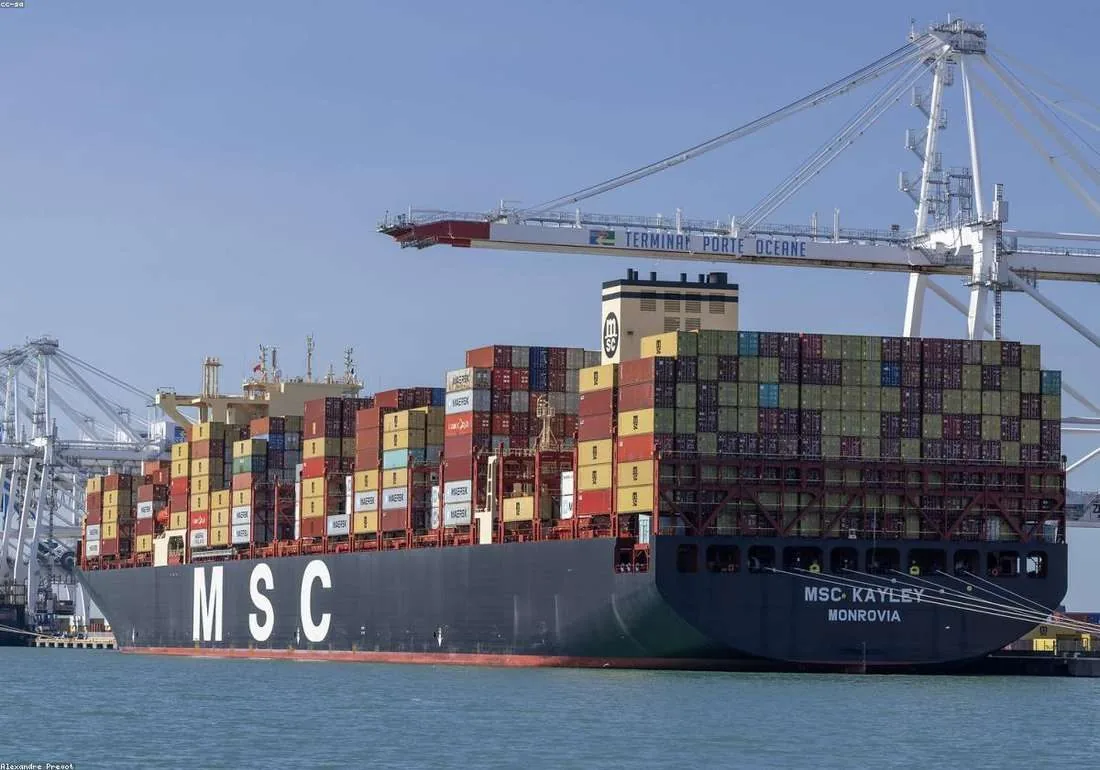 Guangzhou · Importing from China
Eight services covering the journey of importing from China and beyond. Each service can be requested on its own.
We shortlist the right product and the factories able to make it, comparing offers, prices and terms before you commit.
An on-site visit before you contract: licences and records, capacity, production lines, workforce and quality systems.
Quality monitored during production to AQL standards, correcting deviations before they become a rejected shipment.
The product itself: conformity, function, dimensions, packaging, labelling and market requirements.
A final random-sample inspection before goods leave the factory, with loading supervision and container sealing.
Arranging sea, air and land freight and consolidated shipments through shipping companies, cargo insurance and document review — we do not handle customs clearance in the destination country.
Website and app design and development, inventory and sales systems, and integration with your existing tools.
Paid campaigns, content and social channel management against clear indicators.
Because our team in China is close to the factories, and our recommendations are not tied to any factory: we charge our fees only to the party requesting the service and take no commission from factories.
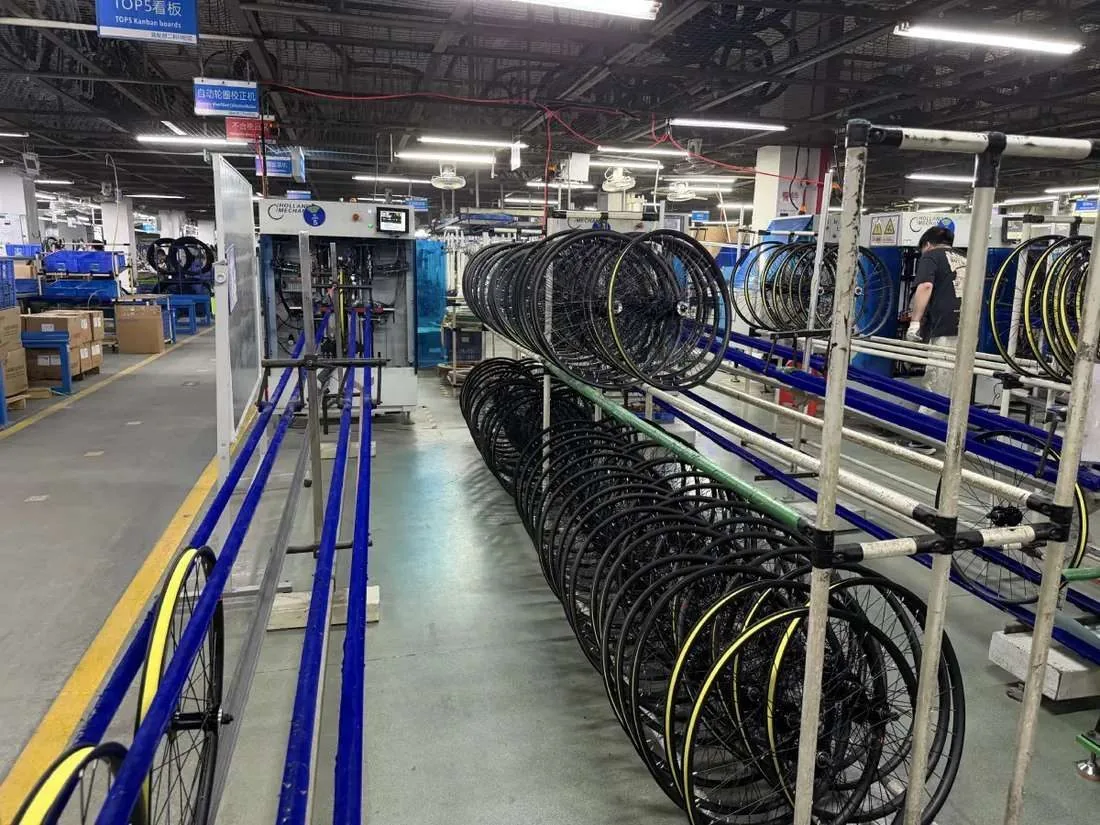 Bicycle production line at one of our supplier factories
Send the product specifications, quantity and target market, and we agree the scope of work and cost with you.
We shortlist factories, compare their offers and verify them, and request samples before you commit.
We inspect during production and before shipment, supervise loading and container sealing, and send you photo reports.
We arrange shipping and check documents and insurance up to the destination port, where your customs broker takes delivery.
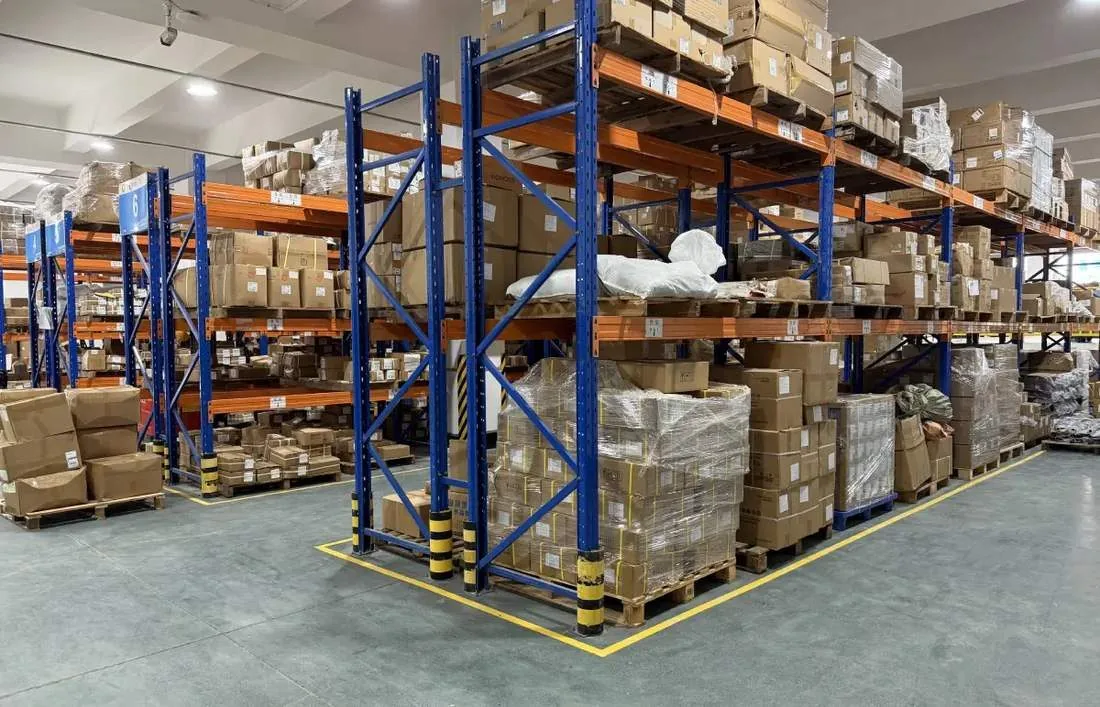 Palletised goods ready for shipment
ALSHUMUL Commercial Services is a company registered in Guangzhou, China, that helps importers buy from Chinese factories: we find and verify factories, inspect quality and arrange shipping to any country, with a team that has 20 years of experience in sourcing from China.
One goal: your product arrives to the agreed specification, on schedule, at a cost known in advance.
The countries above are our regular markets, not the limit of our service. Wherever your country is, we arrange shipping of your goods from China by sea or air to the port or airport nearest you.
Ask about shipping to your country→A practical guide for utilities, EPC contractors and electrical traders importing SF6 load break switches, reclosers, vacuum circuit-breakers, RMUs and transformers…
What visitors need for the 140th Canton Fair in Guangzhou: dates and products for the three phases, pre-registration and badge collection, getting there, on-site se…
A practical guide for overseas buyers: whether your nationality needs a visa to visit the Canton Fair in October 2026, how to generate the fair’s invitation letter,…
The questions most often asked before importing from China: costs, factories, quality, shipping and payment.
All questions →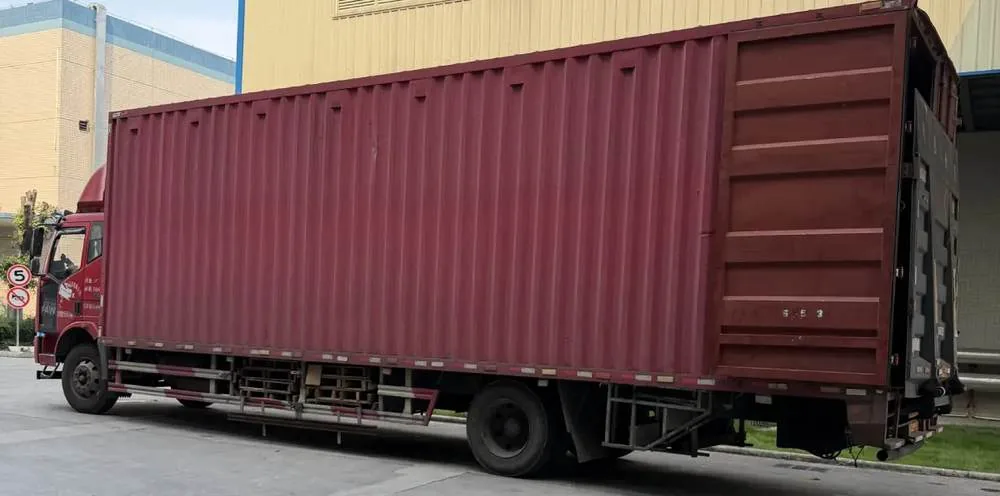 Container haulage to the port
The landed cost of a China import is the sum of nine items, not just the factory price: the goods, inland trucking in China, export handling at the origin port, sea or air freight, cargo insurance (usually 0.1% to 0.5% of value), customs duty (5% on most goods across the GCC, set by the HS Code), local VAT, destination clearance and delivery to your warehouse, plus any agent commission or inspection fees. On a typical sea shipment these extras add roughly 15% to 30% on top of the factory price, and far more on small or air-freighted orders. Always compare quotations under the same Incoterm, whether FOB, CIF or DDP. Figures are indicative and move with the market and the product.
Start from three channels: specialised trade fairs, above all the Canton Fair in Guangzhou held twice a year in spring and autumn; online platforms such as Alibaba for export and 1688 for the Chinese domestic market; and the industrial clusters, since each Chinese region specialises in particular categories. Then filter: request quotes from five to eight suppliers on an identical specification, drop the extreme outliers high and low, verify the business licence and unified social credit code in the official register, and ask directly whether they are a factory or a trading company, what their monthly capacity is, and who their customers in the Gulf are. Finally, do not trust photographs; a site visit or an independent factory audit separates a real manufacturer from a front.
Check three things before any payment: legal existence, physical existence and name consistency. Ask for the Chinese business licence and verify the 18-digit unified social credit code in the official company register, along with registration date, capital and registered scope, whether manufacturing or trading. Then insist on a live video call from inside the plant rather than recorded clips, and cross-check the address against maps. Finally, the beneficiary name on the bank account must match the company name on the contract and invoice exactly; a mismatch, a request to pay a personal account, or an unexplained third-country bank is a red flag. Prices far under market, pressure to pay immediately and refusal of independent inspection are all reasons to stop.
A pre-shipment inspection is an independent check of the goods once production is 80% to 100% complete, before loading and before you release the balance payment. The inspector compares the shipment against the approved sample and the purchase order: quantity, specifications, dimensions and weight, materials, function tests appropriate to the product, packaging, labels and barcodes, and carton condition. Cartons are drawn at random using AQL sampling under ISO 2859-1, and the photo report concludes pass, fail or pass with reservations. Its real value is leverage: you still hold the balance. Once the container has arrived, your options are far fewer and far more expensive.
FCL means a full container dedicated to your cargo; LCL means consolidated cargo sharing a container with other shippers, priced per cubic metre (CBM) or per ton, whichever is greater. The practical rule: under roughly 13 to 15 CBM, LCL is usually cheaper, and above that a full container costs less per cubic metre. Watch the catches. LCL destination charges for handling, de-consolidation and documentation can swallow the saving, transit is 5 to 10 days longer because of consolidation and unpacking, and more handling means more risk of damage. Dense, heavy goods may be charged on weight rather than volume. Always compare quotes on a full landed basis, not on the freight line alone.
The core pack for any shipment: the commercial invoice with line items, values and HS codes; the packing list with cartons, weights and dimensions; the bill of lading (B/L) at sea or air waybill (AWB) by air; and the certificate of origin. Depending on product and destination, add the conformity certificate such as SABER for Saudi Arabia or ECAS for the UAE, a third-party inspection report, the insurance policy, health or halal certificates for food, and a registration certificate or import permit for restricted goods. Every figure must match across the documents, because any discrepancy in weight, quantity or description stops clearance and creates demurrage. Ask for draft documents and check them before shipment, not after.
Message us on WhatsApp, WeChat or email with the product details and quantity, and our team will come back with a clear offer showing the scope and cost.