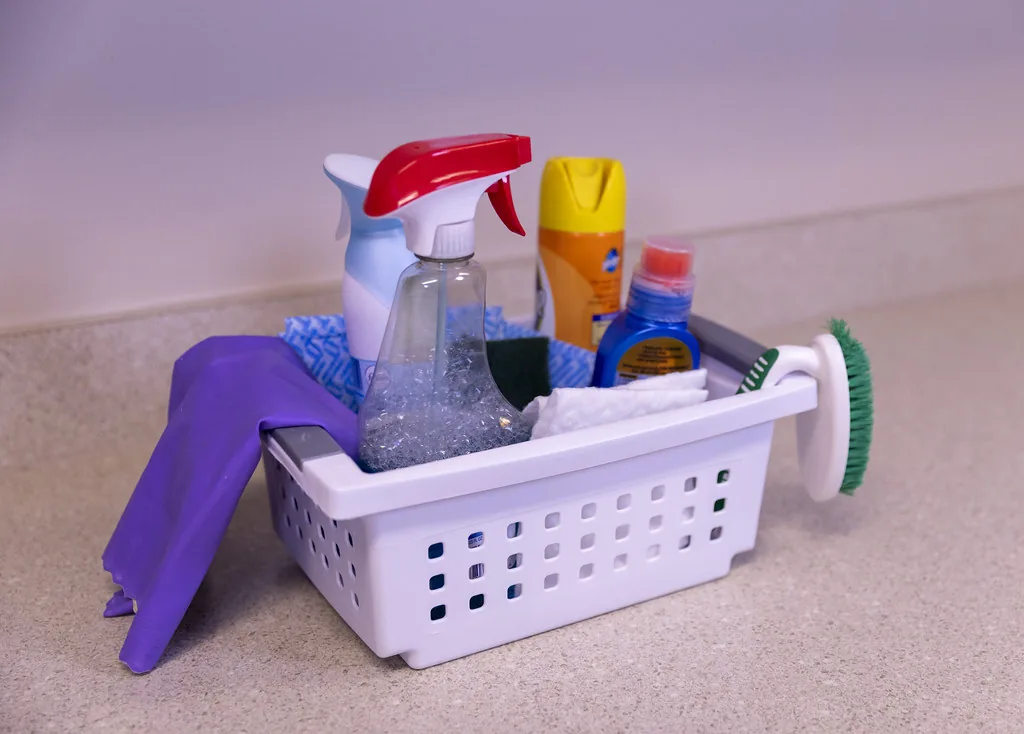
Detergents look like one of the simplest things to import: liquid in a bottle, powder in a bag, and steady repeat orders. But anyone who treats them as ordinary consumer goods finds out too late that they are chemicals, with everything that implies: a mandatory safety data sheet, a transport classification that may make them dangerous goods, chemical labelling with specific warnings, and packaging that must withstand the heat of the container and the vibration of the voyage. A problem with any one of these can stop the shipment before it is even loaded.
A note on scope: this page is about cleaning chemicals — liquid and powder detergents, disinfectants, industrial cleaners and air fresheners. Machines and tools — floor scrubbers, industrial vacuum cleaners, pressure washers and cleaning trolleys — have a separate page, cleaning equipment, because their requirements are electrical and mechanical rather than chemical.
Where are detergents made in China?
Detergent and household chemical factories are concentrated in Guangdong and Zhejiang, with a presence in Jiangsu and Shandong in raw material production, such as surfactants. In Guangdong — around Guangzhou, Foshan, Jiangmen and Zhongshan — household chemical factories cluster, producing dishwashing and laundry detergents and air fresheners, and doing contract manufacturing under importers' brands. Zhejiang has large factories for washing powders and liquid detergents with very high production capacity.
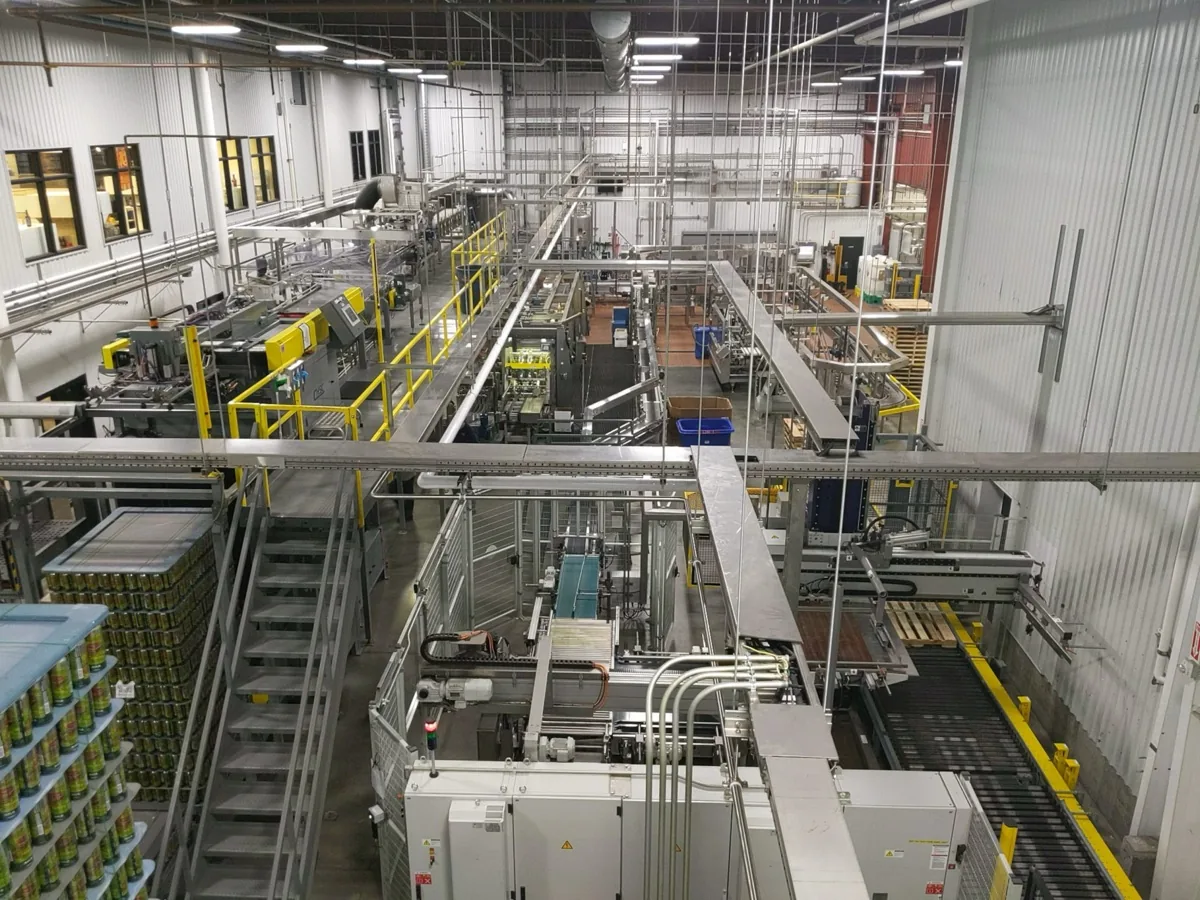
More important than the region is checking the factory's chemical capability: does it actually have a mixing and filling line, or does it buy the finished product and bottle it? Does it have a laboratory that measures the active ingredient content and pH of every batch? Can it issue a correct safety data sheet for its own formulation, rather than one copied from another factory?
When does a detergent shipment become dangerous goods?
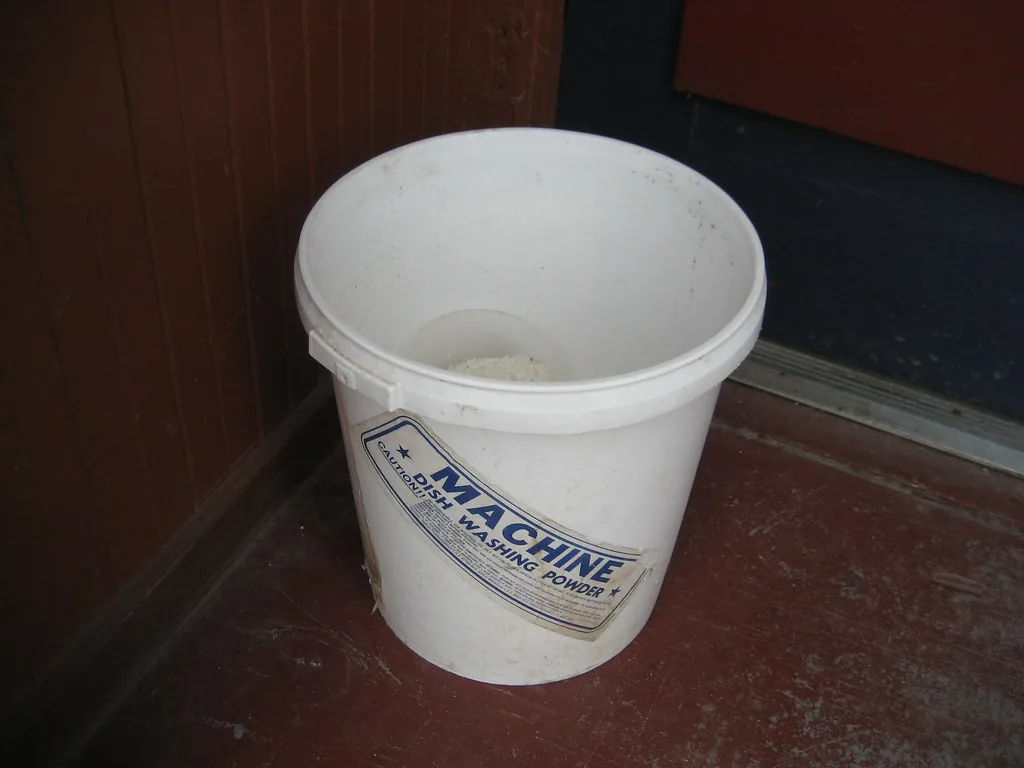
It becomes dangerous goods when the formulation has a hazardous property under transport rules — flammability, corrosivity, pressure, toxicity or oxidising potential — at a concentration above the set threshold. For sea freight it then falls under the IMDG Code, and needs a UN number, a hazard class and a packing group, a dangerous goods declaration, tested and approved packaging, and hazard labels on the packages and the container.
This warning is no exaggeration: a single ingredient, or a slightly higher concentration, can move a shipment into a completely different category. A disinfectant with a high alcohol content can become a flammable liquid; concentrated bleach or a strong acid cleaner can become a corrosive substance; and an aerosol air freshener is a pressurised container with flammable gas. The table below is for guidance, not for contracts, because the actual classification is set by the safety data sheet for the specific formulation:
| Product type | Possible transport classification | What to watch |
|---|---|---|
| Ordinary liquid dishwashing and laundry detergent | Usually not dangerous | Leaks, viscosity and heavy weight |
| Washing powder | Usually not dangerous | Moisture, caking and torn bags |
| Bleach (sodium hypochlorite) at high concentration | May be classed as corrosive — Class 8 | Concentration, gas venting from the bottle, and never mixing it with acids |
| Acid cleaners for bathrooms and limescale | May be classed as corrosive — Class 8 | Acid type and concentration, and the resistance of the packaging |
| Strong alkaline cleaners for ovens and drains | May be classed as corrosive — Class 8 | Caustic soda and its concentration |
| Alcohol-based disinfectants and sanitisers | May be classed as flammable — Class 3 | Alcohol content and flash point |
| Aerosol air fresheners | Pressurised containers — Class 2 | Propellant gas, and heat inside the container |
| Solvent-based degreasers | May be classed as flammable — Class 3 | Solvent type and flash point |
What a dangerous classification means in practice: fewer shipping lines willing to accept the booking, extra dangerous goods charges, longer booking approval times, restrictions at ports and transhipment points, and many groupage consolidators refusing these goods outright. Concealing the hazard or declaring it incorrectly, meanwhile, is not a saving but a serious risk: fines, liability for any incident in the container or on the vessel, and rejection of the shipment.
What is a safety data sheet (SDS), and why can shipping not be booked without one?
It is a 16-section document under the Globally Harmonized System (GHS) that describes a substance's ingredients, hazards, and handling, storage and transport, and shipping lines will not accept a booking for a chemical without it. It is also known by its older name, MSDS. The most important section for shipping is Section 14 — Transport information, which gives the UN number, class and packing group, or states that the substance is not subject to dangerous goods rules.
- It must match the actual formulation of the batch being shipped, not an earlier formulation or a similar product. If the factory changes a supplier or a concentration, the SDS must be updated.
- It must be current and at least in English, and some markets may require their local language.
- Shipping lines at Chinese ports may require a report from an accredited inspection body proving that the substance is safe to transport as non-dangerous goods, when a chemical is declared as ordinary cargo. Issuing it takes days, so request it ahead of the booking date.
Which specifications should be agreed in writing with a detergent factory?
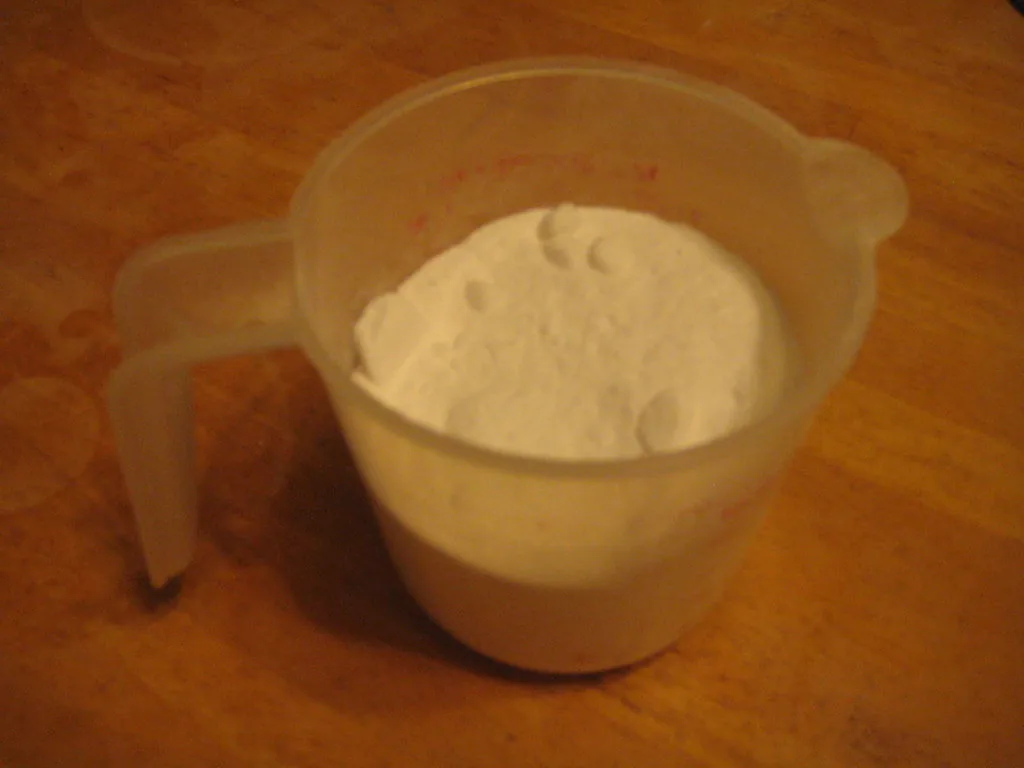
The contract should set the formulation, active ingredient content, pH, packaging, labelling and shelf life in measurable figures, because "high-quality detergent" is not a specification. The clauses to write:
- Surfactant content within a permitted range, because it determines both cleaning power and price, and it is the easiest thing to dilute without anyone noticing.
- pH, viscosity, colour and fragrance, with a sealed reference sample to compare production against.
- Net content by weight or volume, and the permitted tolerance.
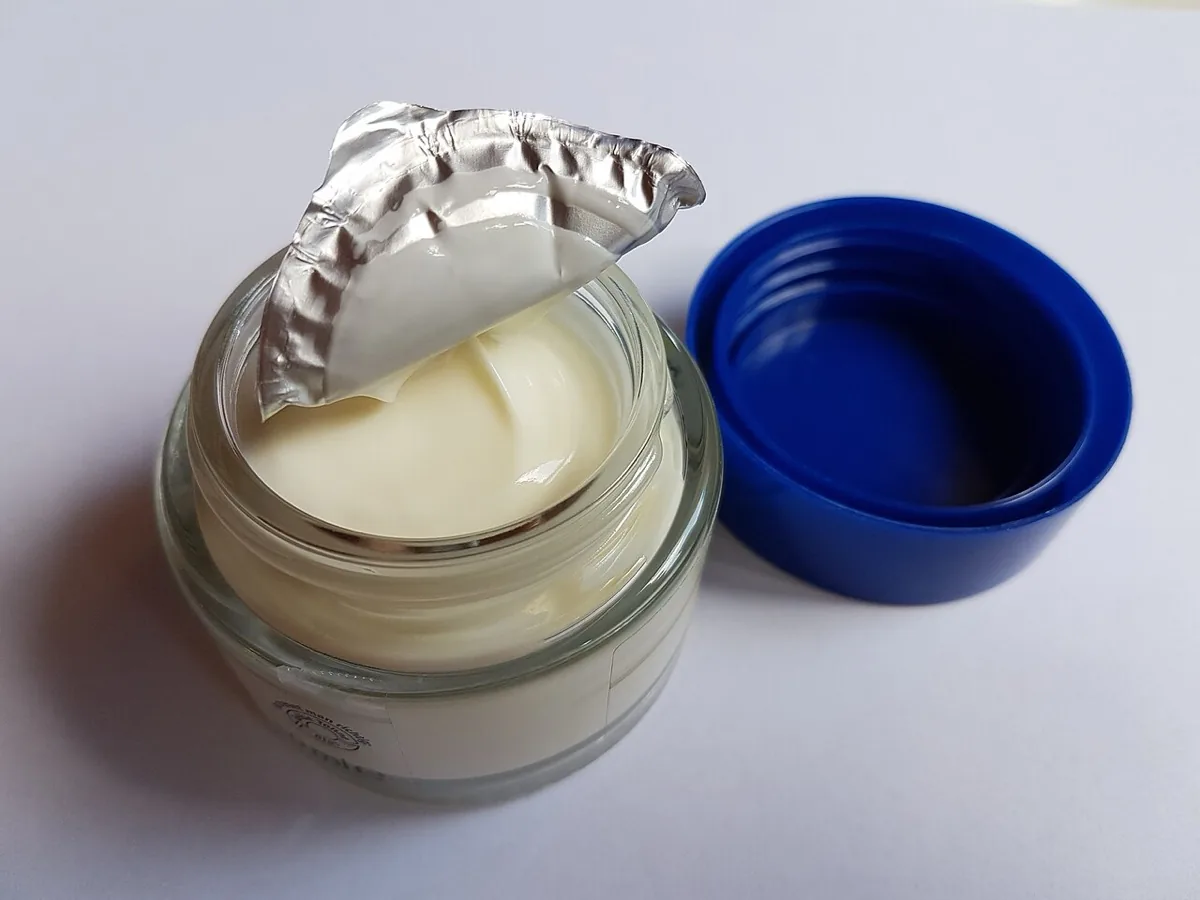
- Packaging: material (usually HDPE or PET), wall thickness, cap type, and an inner heat seal to prevent leaks. Plastic packaging itself has its own page, plastic products.
- Chemical labelling: ingredients, hazard pictograms and warning statements where they apply, directions for use and first aid, and the lot number and production date, in the destination country's language.
- Shelf life, and the minimum remaining shelf life at shipment.
For the general framework of labelling requirements, see packaging, labelling and barcode requirements, and to produce a detergent under your own brand, see private label, OEM and ODM.
What registration and conformity requirements apply to detergents in the destination country?
They vary by product type and destination country, and the most important distinction is between an ordinary cleaner and a disinfectant marketed as killing germs: the latter is usually more strictly regulated and may fall under a different authority. In the Gulf states, detergents are subject to technical regulations and conformity requirements, while disinfectants and hand sanitisers may fall under other authorities depending on their classification — such as the Saudi Food and Drug Authority (SFDA) in Saudi Arabia for some categories. In the European Union, a specific detergents regulation requires surfactant biodegradability and ingredient labelling, and a separate regulation covers biocidal products.
This caveat is essential: a single claim on the pack, such as "kills 99.9% of germs", can move a product from the detergent category into the disinfectant category, which is subject to registration. So check the regulatory pathway with the competent authority in your country before printing the packaging and before production starts. For the general framework of Gulf certificates, see SASO/SABER, ECAS and CE conformity certificates.
How are detergents shipped from China without leaks?
Detergents are heavy and reach the weight limit before the volume limit, so large quantities are usually shipped in a 20-foot container, and leaks in the heat of the container are the most common cause of damage. In summer and in Gulf ports, the temperature inside a container can exceed 60 °C, so liquids expand and pressure rises inside the bottles, and a single loose cap is enough to contaminate an entire layer of cartons.
- An inner heat seal under the cap, and enough headspace in the bottle for expansion.
- Reinforced cartons with dividers between bottles, and layers stretch-wrapped on pallets.
- Weight distribution in the container, without exceeding its permitted limits or the road transport limits in the destination country.
- Powder needs protection from moisture, and large bags need a moisture-barrier liner.
- Industrial quantities of liquid may be packed in 1,000-litre intermediate bulk containers (IBCs) or in tanks, each with its own requirements.
Groupage is possible for non-dangerous detergents, but many consolidators are wary of liquids for fear of leaks onto other shippers' goods. See the advantages and drawbacks of groupage shipping.
How do you import detergents from China?
- Define the product type and its claims, and its regulatory pathway in the destination country: an ordinary cleaner or a disinfectant.
- Look for a factory with a mixing and filling line and a laboratory, and verify its capability.
- Request the safety data sheet (SDS) for the specific formulation, and read the transport section before any freight quotation.
- Request samples, measure the active ingredient content and pH, and keep a sealed reference sample.
- Write the specification, packaging and labelling into the contract in measurable figures.
- Complete the destination country's requirements for registration and conformity before full production.
- Follow production and check that the formulation has not changed from the sample.
- Inspect before shipping: net content, cap tightness, labelling and lot number. See pre-shipment inspection.
- Book shipping with a correct declaration — ordinary or dangerous — and review the documents before sailing.
Alshumul's role in importing detergents
Alshumul Commercial Services is an import and export company based in Guangzhou, at the heart of Guangdong, where household chemical factories cluster. In this category, we treat the safety data sheet as the starting point, not a document requested at the last minute. What we handle:
- Finding and verifying detergent factories, telling the factory that mixes and fills from the middleman that resells, and visiting and auditing the factory.
- Requesting the safety data sheet from the factory and checking its consistency with the declared formulation, and flagging early when the transport section points to dangerous goods.
- Requesting and following up samples, and negotiating directly with the factory in Chinese on formulation, packaging, labelling and price.
- Production follow-up and pre-shipment inspection: content, caps and seals, labelling, lot numbers and palletising.
- Arranging shipping through shipping lines that accept this type of cargo — whether ordinary or dangerous — as a full container load, or as groupage where accepted, reviewing documents before sailing, and following up until the port of discharge.
We do not provide product registration with regulators or customs clearance in the destination country, and we do not classify hazardous substances ourselves: classification is set by the safety data sheet and the competent authorities. But we work to make sure no chemical shipment is booked on a declaration that does not match what is inside it.