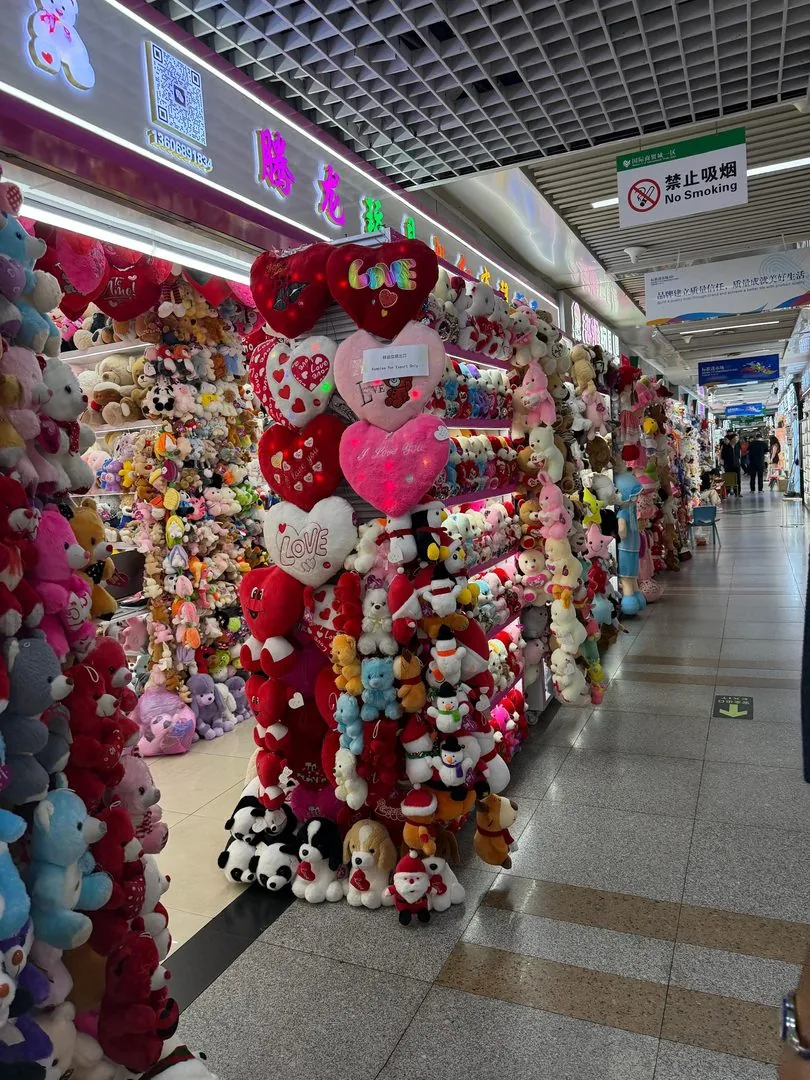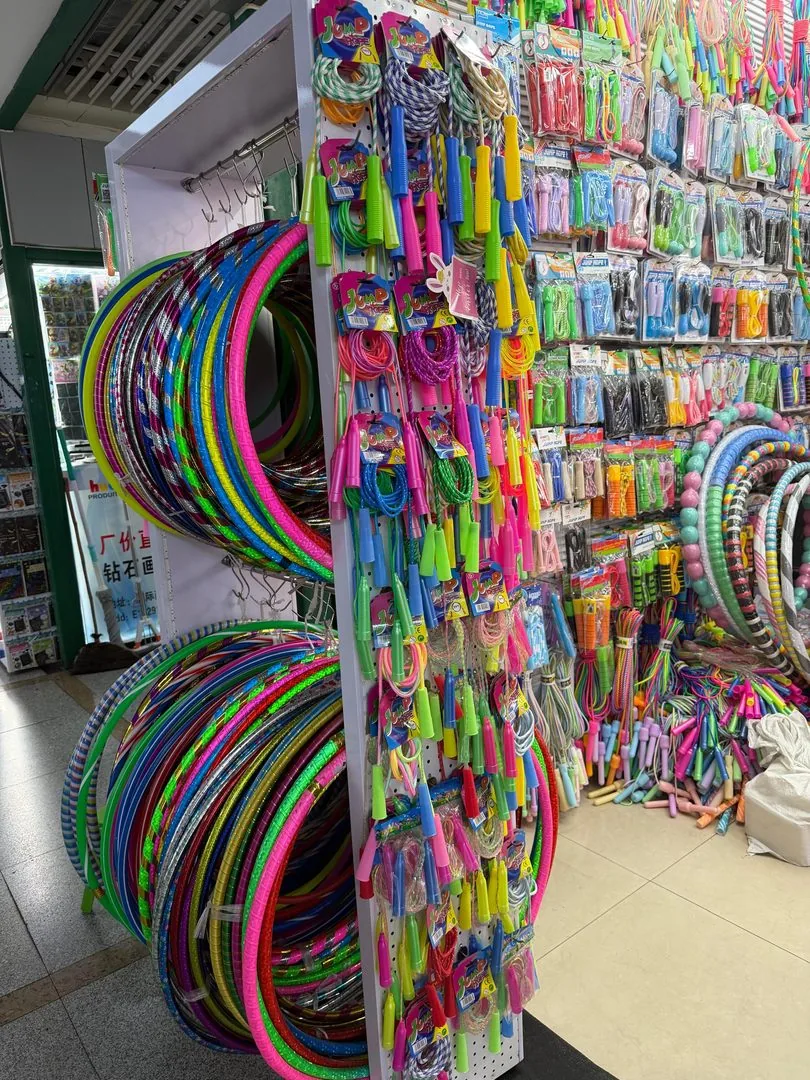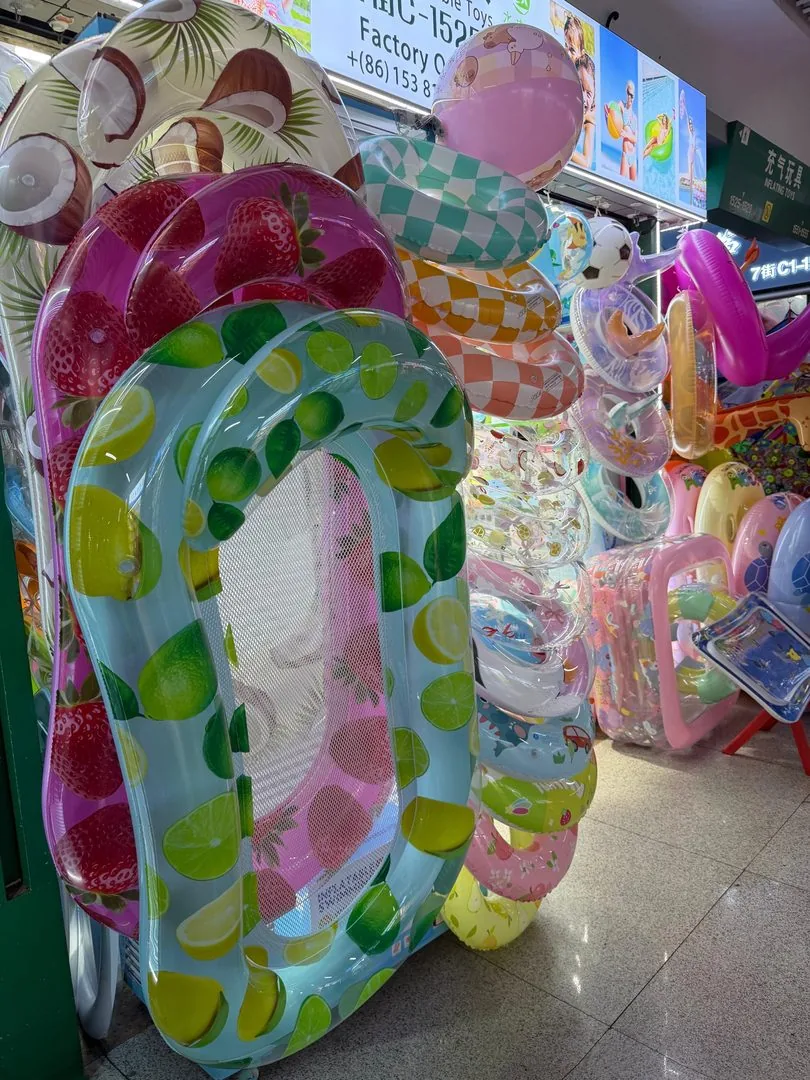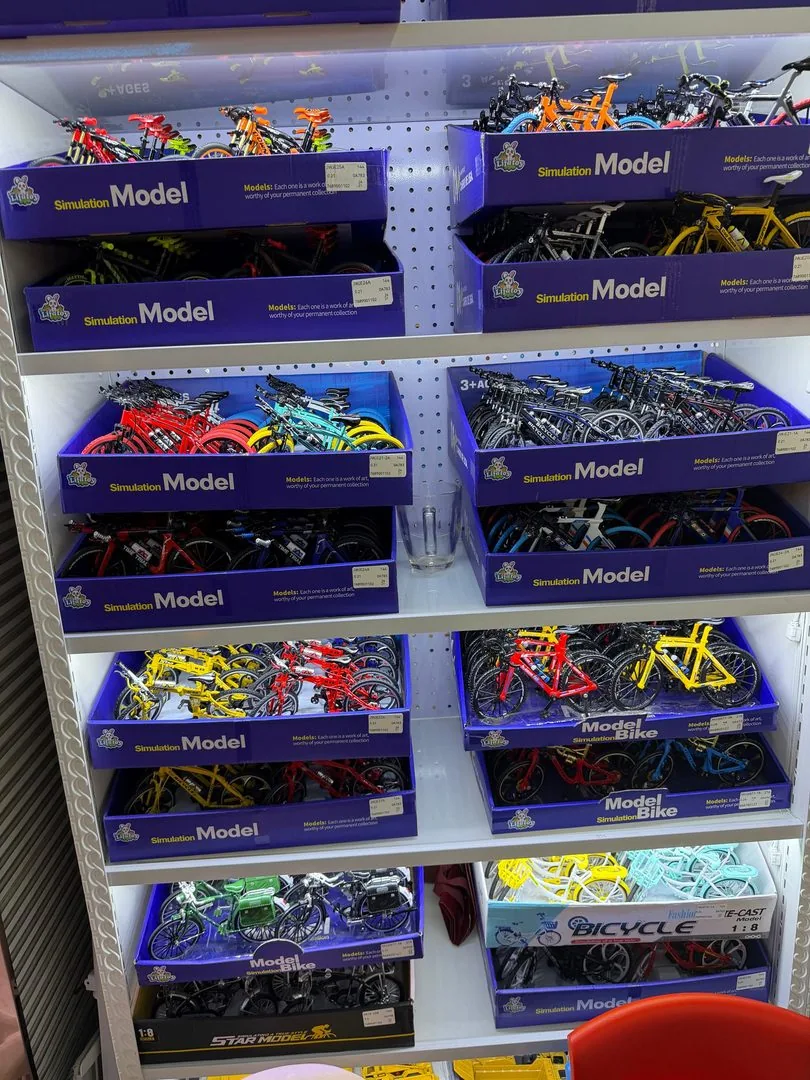
Toys are among the most widely imported goods from China and among the fastest to sell through, and China makes the largest share of the world's toys. Yet they are also one of the categories most often rejected on arrival, for a single reason: the end consumer is a child, and regulators in almost every market treat a toy as a safety product before a consumer product. A cheap toy without a valid test report is not a bargain. It is a shipment likely to be detained or destroyed.
This page is a general reference for importing toys from China into any market: where they are made, which standards they are tested against, which specifications go into the contract, and how they are shipped. The specifics of the Saudi market — Arabic labelling, age warnings and the Eid seasons — have their own article: importing children's toys from China to Saudi Arabia.
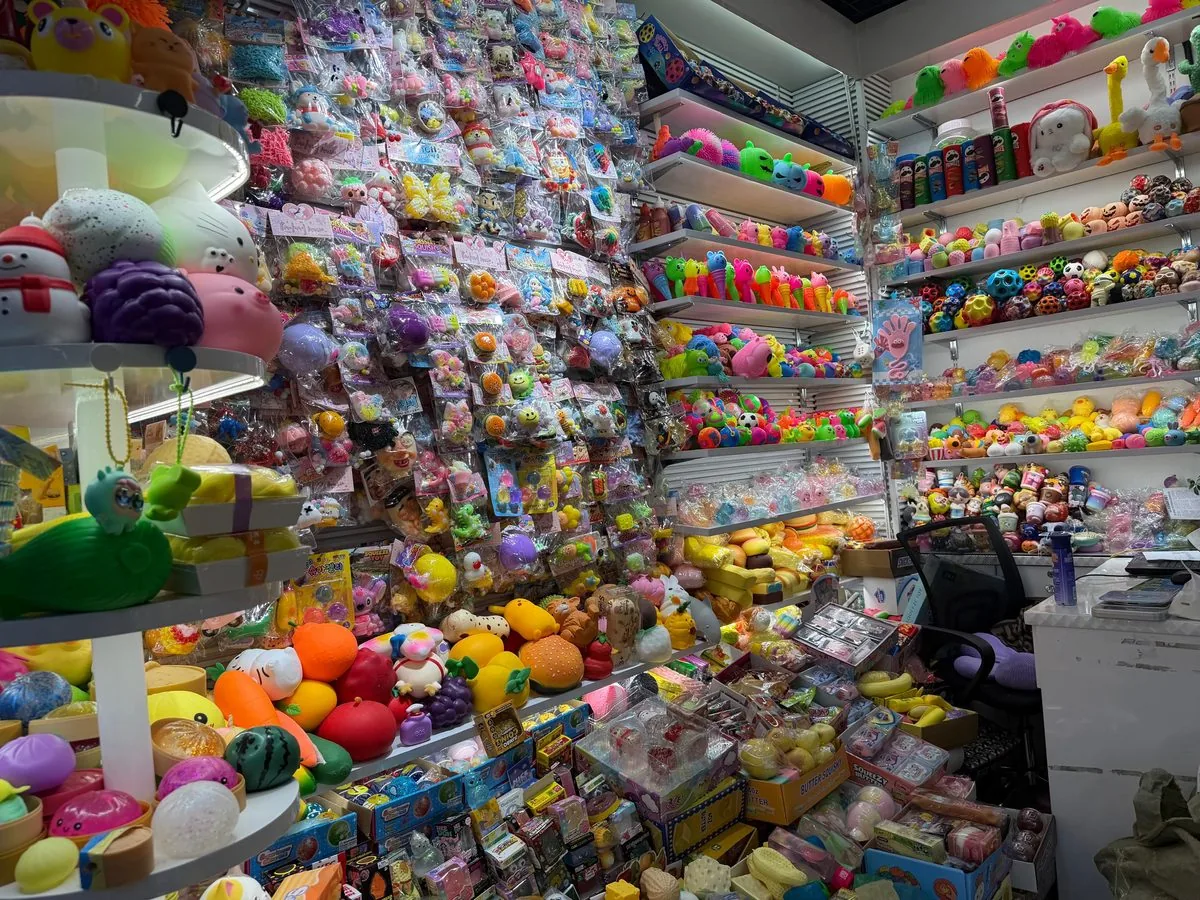
Where are toys made in China?
Toy manufacturing is concentrated first of all in Guangdong, and its best-known hub is the Chenghai district of Shantou, known as China's toy capital. But each type of toy has its own hub, and choosing the right one cuts the factory search in half:
| Hub | Province | Known for | Practical note |
|---|---|---|---|
| Chenghai — Shantou | Guangdong | Plastic toys, remote-control cars, injection-moulded and assembly toys | Thousands of small and medium-sized factories, with wide variation in quality and documentation |
| Dongguan | Guangdong | Contract manufacturers for global brands, multi-part toys and figurines | Usually more mature quality systems, and a higher minimum order quantity |
| Shenzhen | Guangdong | Electronic toys, smart educational toys and small drones | Overlaps with the electronics and battery supply chain |
| Yangzhou | Jiangsu | Plush toys and fabric dolls | Flammability and clean stuffing are the focus of testing |
| Yunhe | Zhejiang | Wooden and educational toys | Paint, varnish and wood moisture are the key inspection points |
| Yiwu | Zhejiang | A huge wholesale market for every category in small quantities | Most sellers are traders, not factories, and documentation is weaker |
Telling a factory from a trader is not a detail in this category. A trader in Yiwu may sell you a toy from three different factories under one model number, so the test report they sent you no longer applies to what actually arrived. For the general method of checking, see how to find a verified supplier in China.
Which standards are toys tested against in each market?
Each major market has its own standard, but the test areas are similar: mechanical safety, flammability, migration of heavy metals and restricted chemicals. The table below is for guidance, not for contracts. The requirement depends on how the toy is classified and on the destination country, and it must be verified before production:
| Market | Standard or regulation | What it covers |
|---|---|---|
| European Union | EN 71 (mainly parts 1, 2 and 3) with CE marking, and EN 62115 for electric toys | Mechanical and physical properties, flammability, migration of elements, and the safety of electric toys |
| United States | ASTM F963, the CPSIA and a CPC certificate | Mechanical safety, lead limits in paint and substrate, phthalates, magnets and securing batteries |
| Saudi Arabia | The Technical Regulation for Toys, with registration through SABER, the Saudi product conformity platform | A product certificate, then a shipment certificate, based on test reports from an accepted laboratory |
| United Arab Emirates and other Gulf states | Gulf technical regulations and each country's own requirements (such as ECAS, the Emirates Conformity Assessment Scheme) | Conformity usually close to the European standards, with details that vary from country to country |
The most important line in the table is one that does not appear in it: a factory that sells to Europe is no proof that its toys are fit for the Gulf, and the reverse is also true. An EN 71 report may be accepted in one market and need an additional test in another. For an overview of the Gulf certification system, see SASO/SABER, ECAS and CE conformity certificates.
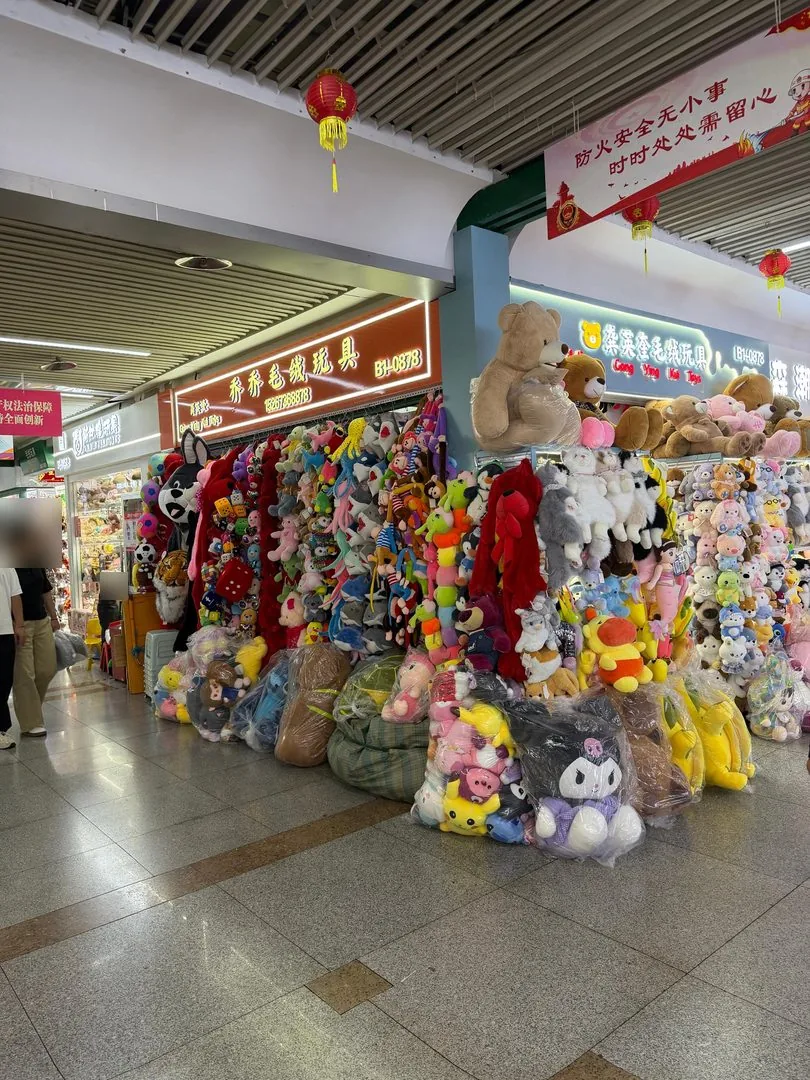
What are the most serious safety defects in imported toys?
The five most serious are small parts that can be swallowed, lead in paint, phthalates in soft plastic, small powerful magnets and button batteries. Most of these defects cannot be seen with the naked eye, which is why only a laboratory test reveals them:
- Small parts: tested with a standard cylinder about 31.7 mm in diameter. Any part that fits inside it — before use or after pull and drop tests — is banned in toys for children under three. Glued-on eyes in plush toys are among the most common failures in this test.
- Lead and heavy metals: US law, for example, limits lead to about 90 parts per million in paint and 100 in the substrate, while the European standard limits the migration of several elements such as lead, cadmium and chromium. Cheap paint is the usual source.
- Phthalates: plasticisers that make plastic soft, generally restricted to 0.1% by weight in parts a child can put in its mouth. Soft dolls, teethers and rubber balls are the prime suspects.
- Magnets: swallowing two small, powerful magnets can cause serious internal injuries, so their strength and attachment are restricted in building and construction toys.
- Button batteries: most markets require a compartment that opens only with a tool, and the United States has tightened its requirements through dedicated legislation. This reaches beyond the compartment to packaging and warnings.
The rule that protects you from all of these: accept a test report only if it names the exact model, comes from a laboratory accepted in the destination country, and is recent. A "general factory" report, or one for a similar model, is worth nothing to a regulator.
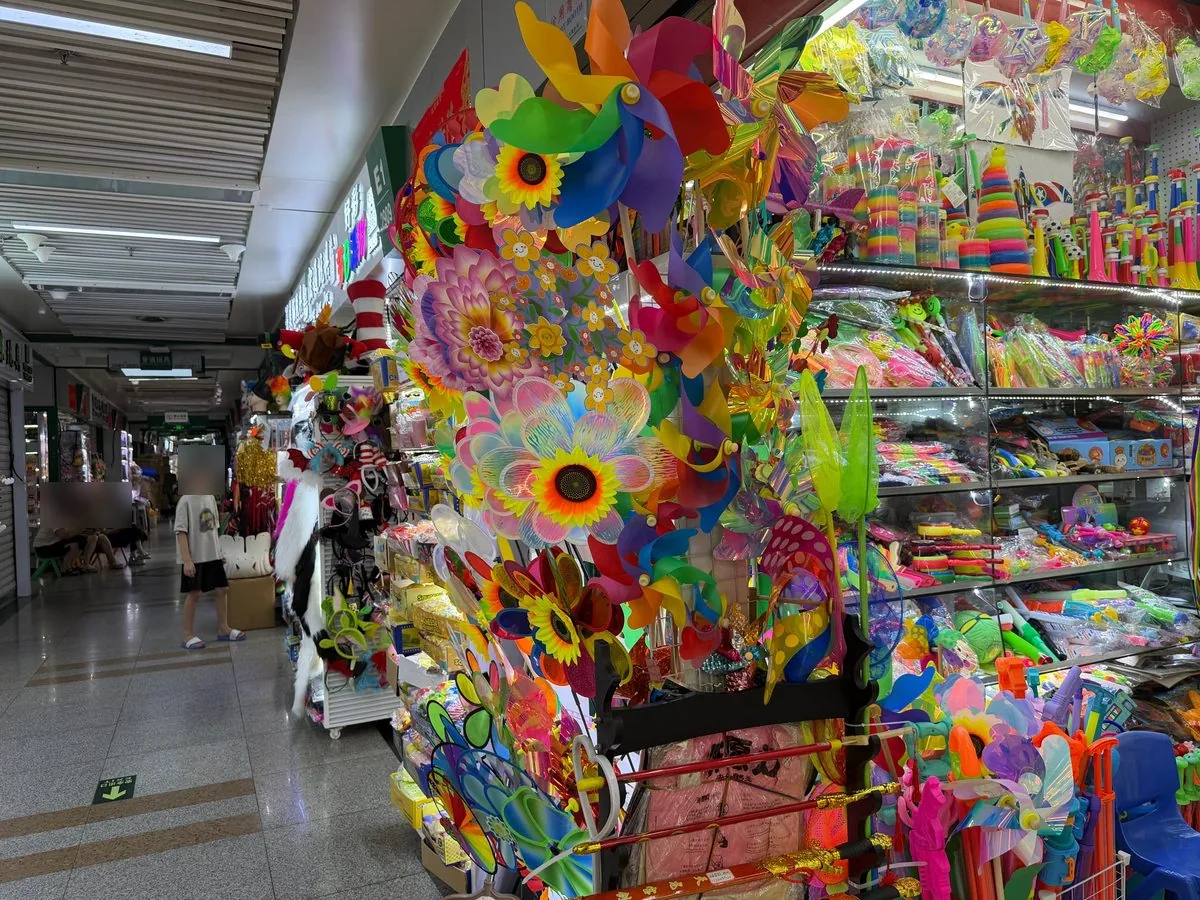
Which specifications should be agreed in writing with a toy factory?
The contract should state the age group, target standard, materials, paint, batteries and packaging explicitly, because each of these changes both the test result and the price. The key clauses:
- The target age group and the standard the toy will be tested against, by name and edition.
- The type of plastic (ABS, PP or PVC), with a requirement that it is free of restricted phthalates, and the type of paint, with a requirement that it meets heavy-metal limits.
- Batteries: type and voltage, who supplies them, whether they ship installed or separately, and how the compartment is secured.
- The laboratory that carries out the test and who pays for it, and a requirement that the sample is drawn from actual production, not from a unit made specially for the laboratory.
- Packaging and labelling: the language and wording of the warnings, the age group on the box, and the thickness or perforation of plastic bags.
- Intellectual property: an explicit undertaking that the design, characters and names are not owned by anyone other than the seller, or that a documented licence exists.
If you are making a toy under your own brand, any modifications change your responsibility towards regulators. We explain this in private label, OEM and ODM.
How are toys shipped from China?
Most toys reach the volume limit before the weight limit, so they are usually shipped in a 40-foot high-cube container, and small shipments are charged by the cubic metre rather than by the tonne. The large colourful box that sells the toy in the shop eats up the container in transit, and many importers redesign the packaging to reduce the air inside it before they negotiate the price.
- Plush toys can be vacuum-compressed to reduce their volume noticeably, but test how well they recover their shape on a sample before adopting this for the whole batch.
- Toys with lithium batteries — such as remote-control cars and small drones — need a UN38.3 report and a safety document for the battery, and face much stricter restrictions in air freight than in sea freight.
- Seasonal timing is decisive: production capacity in Shantou and Dongguan fills up ahead of global holiday seasons, and factories stop for weeks around Chinese New Year. See the production schedule around Chinese New Year.
To weigh a full container load against groupage for your volume, see full container load (FCL) vs groupage (LCL).
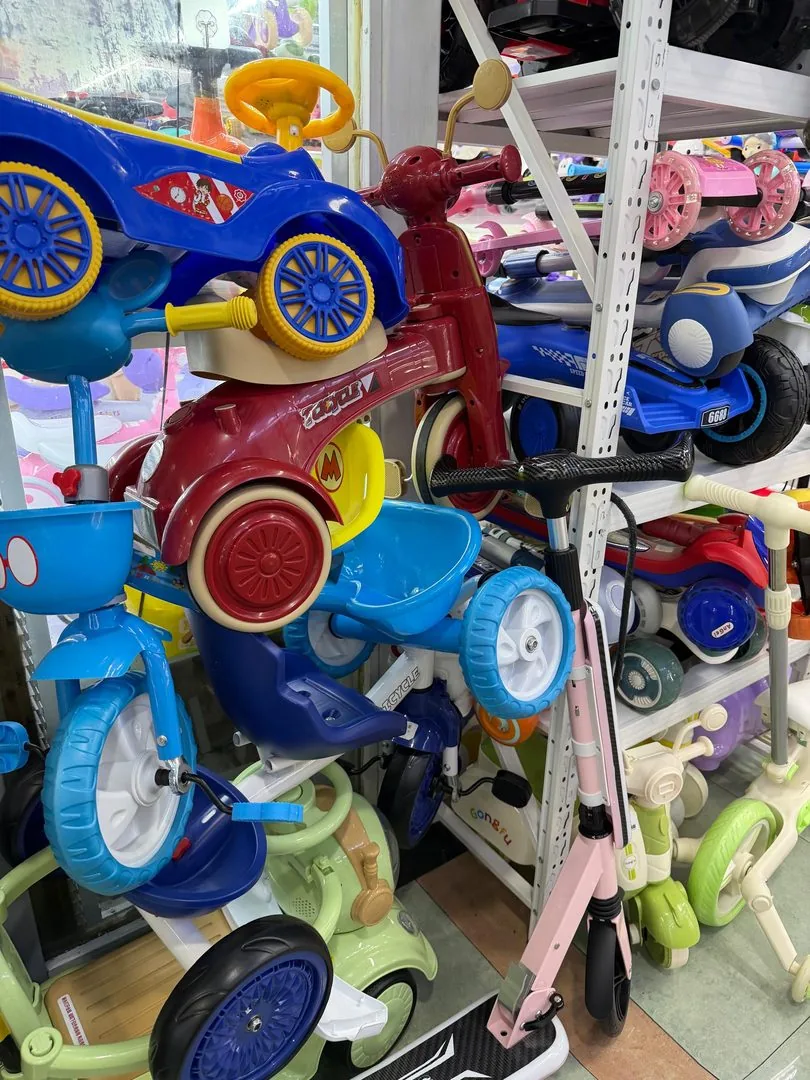
How do you import toys from China?
- Define the market and the age group before any search, then identify the standard and regulation that apply to the toy in the destination country.
- Search in the right industrial hub for the type of toy, and tell the factory from the trader.
- Ask for valid test reports in the exact model's name, and check the laboratory name, the report date and the standard it cites.
- Audit the factory when the order is large or the relationship is new. See factory audit.
- Request samples and check them by hand: edges, detachable parts, paint and smell.
- Write the full specification into the contract: materials, paint, batteries, packaging and warning texts.
- Complete the destination country's requirements — such as registration on the relevant platform — before full production starts.
- Follow production and, when needed, ask for a sample from the actual batch to be tested.
- Inspect before shipping, with an inspection that includes actually operating the toy and checking the warnings. See pre-shipment inspection and AQL.
- Arrange shipping and review the documents before sailing, including battery documents where relevant.
Alshumul's role in importing toys
Alshumul Commercial Services is an import and export company based in Guangzhou, Guangdong, close to Shantou, Dongguan and Shenzhen, where most of China's toys are made. In this category in particular, we work on the assumption that what is not documented did not happen. What we handle:
- Finding and verifying toy factories in the hub that suits the type of toy, telling factories from traders, and visiting and auditing the factory when needed.
- Requesting test reports from the factory and checking that they match the required model and the target standard, and flagging a report that is generic, out of date or for another model.
- Requesting and following up samples, and negotiating directly with the factory in Chinese on the specification, materials, paint, packaging and price.
- Production follow-up and pre-shipment inspection, with a photo report covering actual operation, the warnings and the age group on the box.
- Arranging shipping as a full container load or groupage through shipping lines and consolidators, reviewing documents before sailing, and following up until the port of discharge.
To be clear: registering the toy with the regulator in the destination country, and customs clearance there, fall to the importer or their local representative, and we do not provide them. But the file that registration is built on — correct reports for the correct model, and goods that match them — is what we work to get out of China intact.
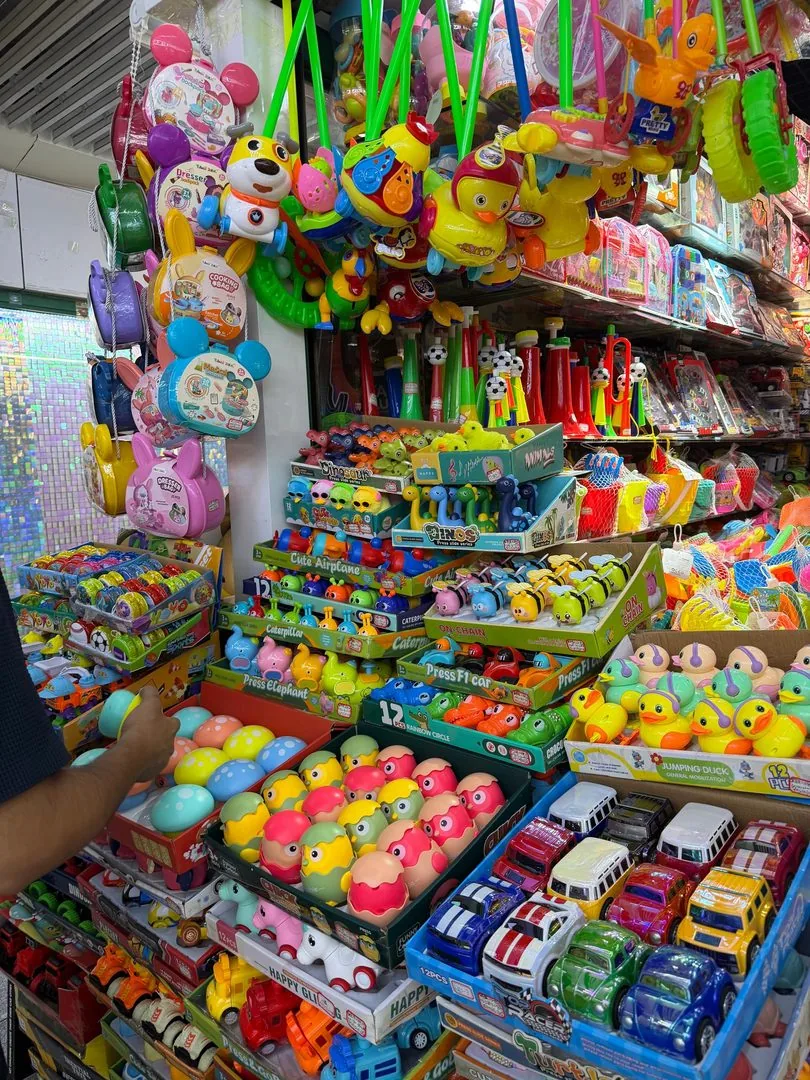
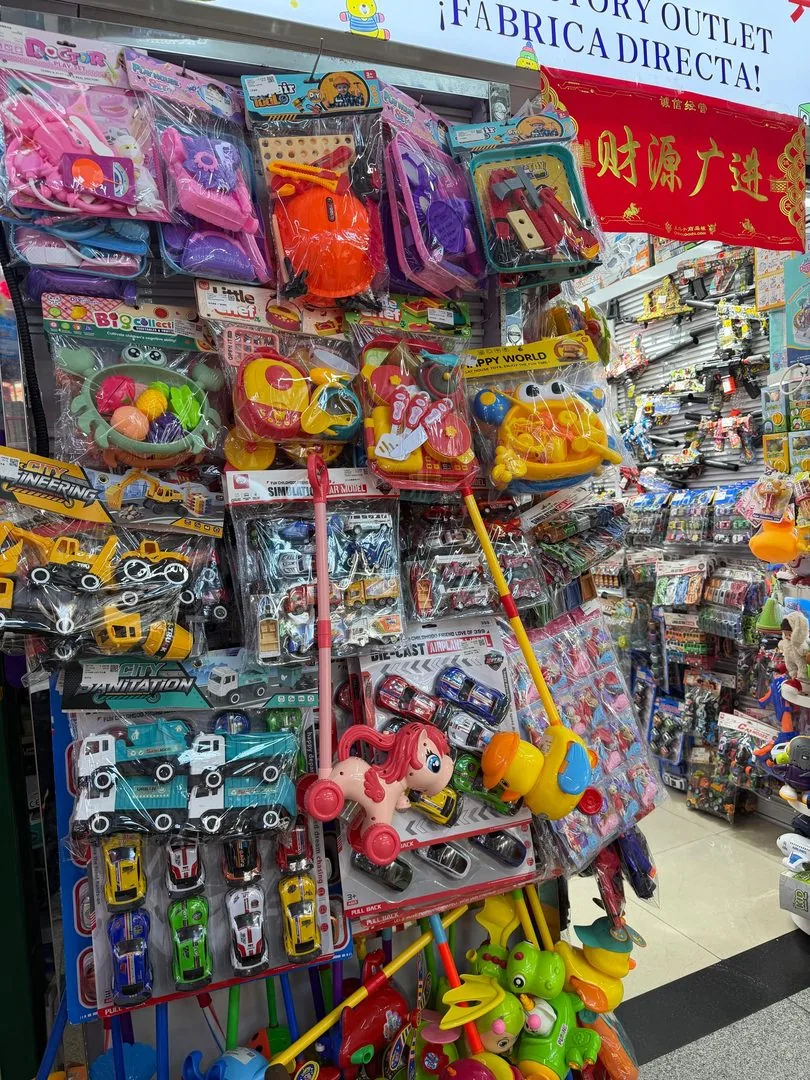
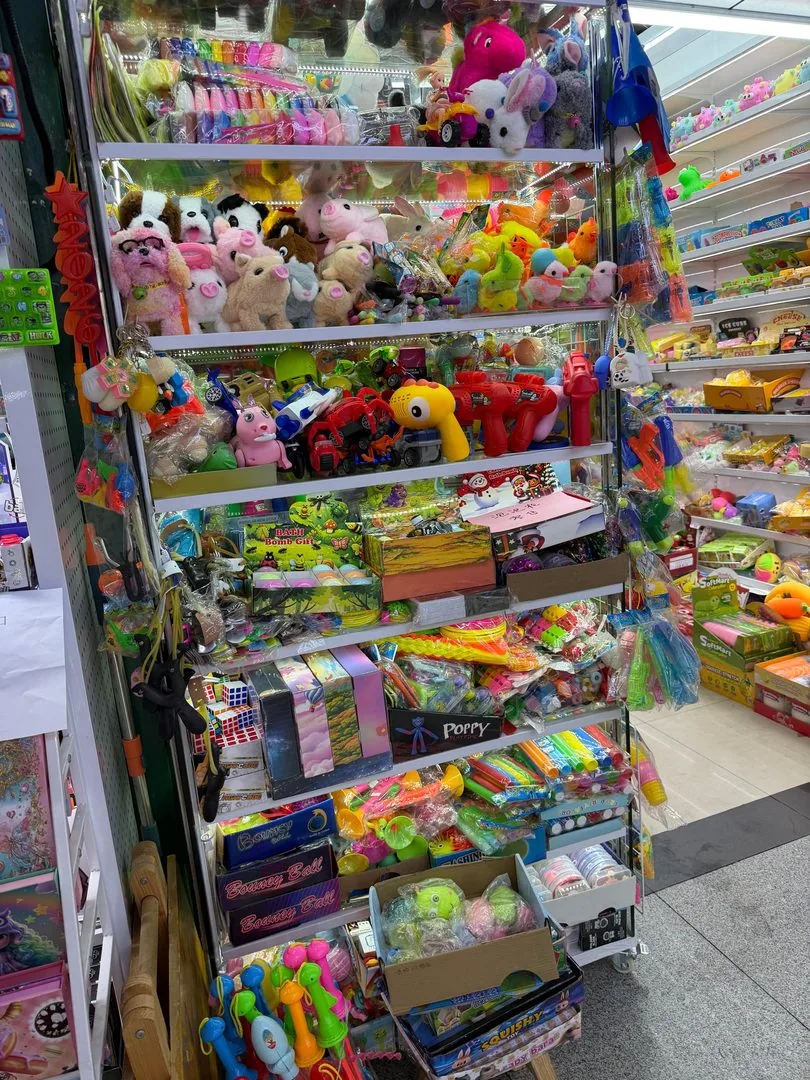
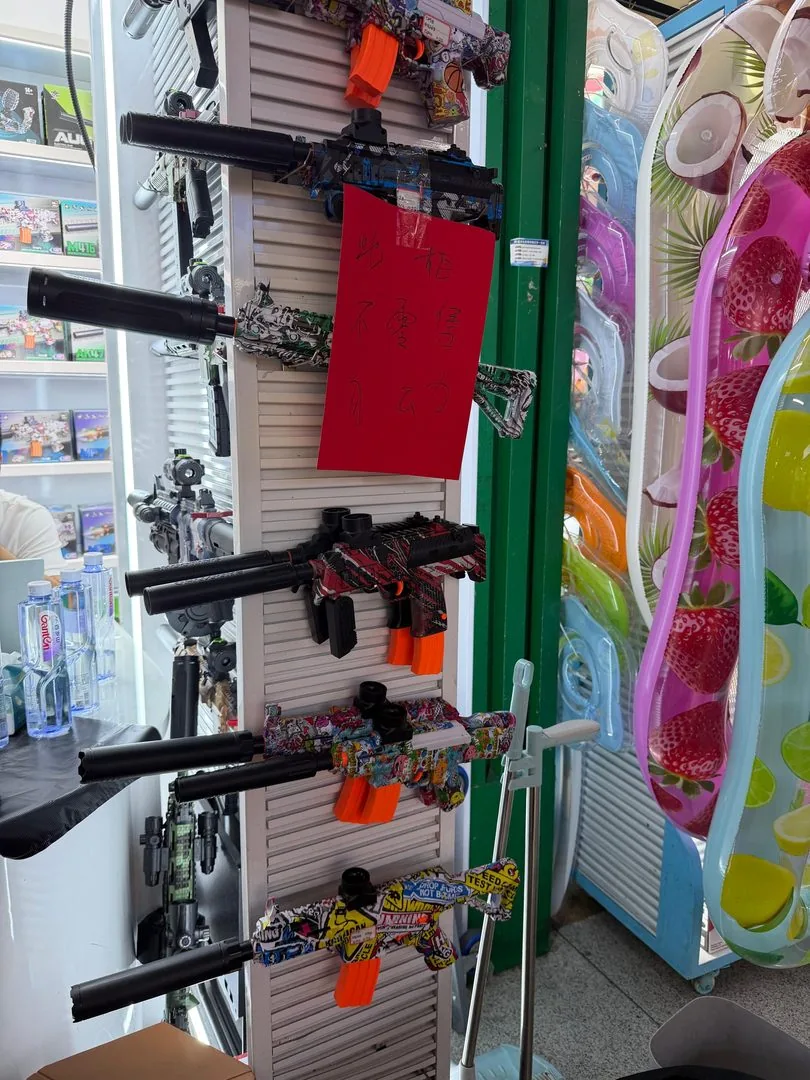
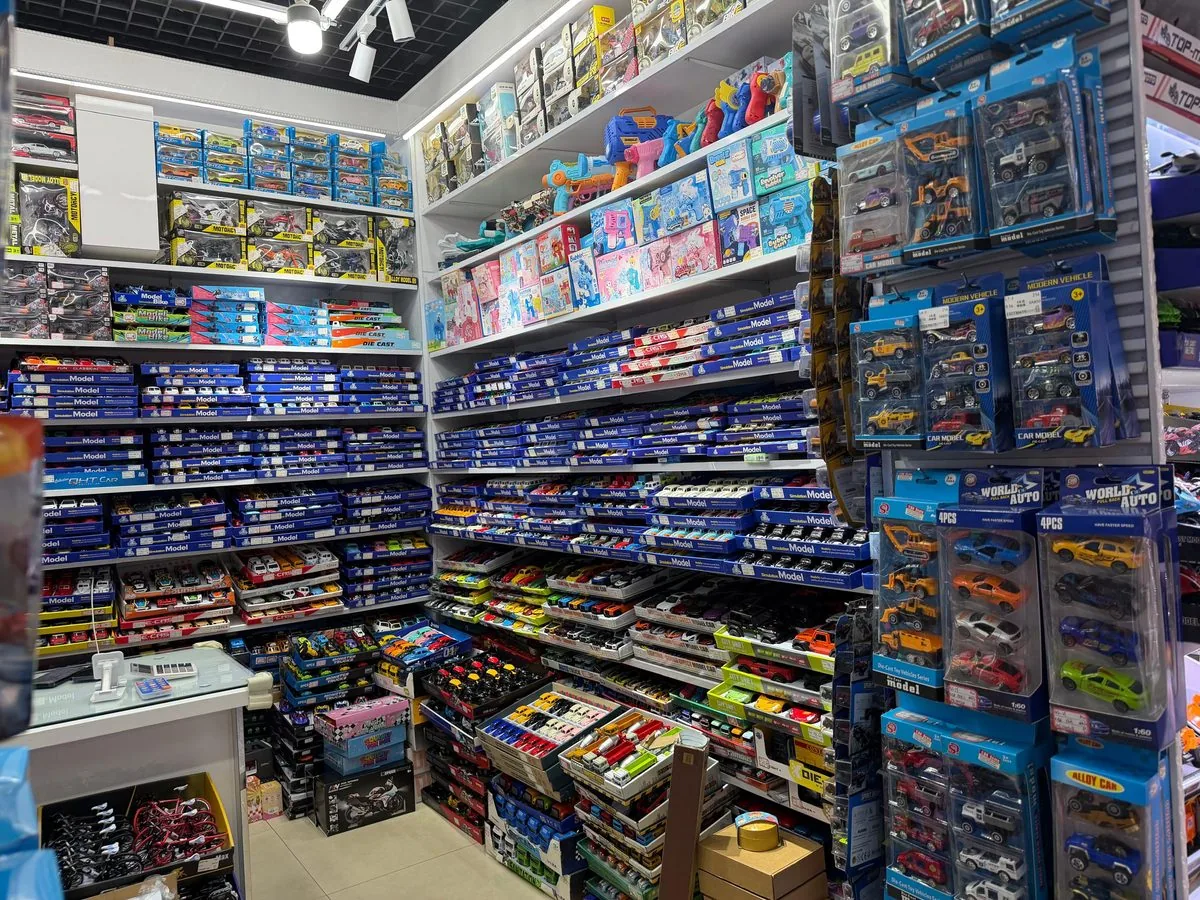
From Alshumul team visits
Photo: Alshumul team — Touring toy markets in China