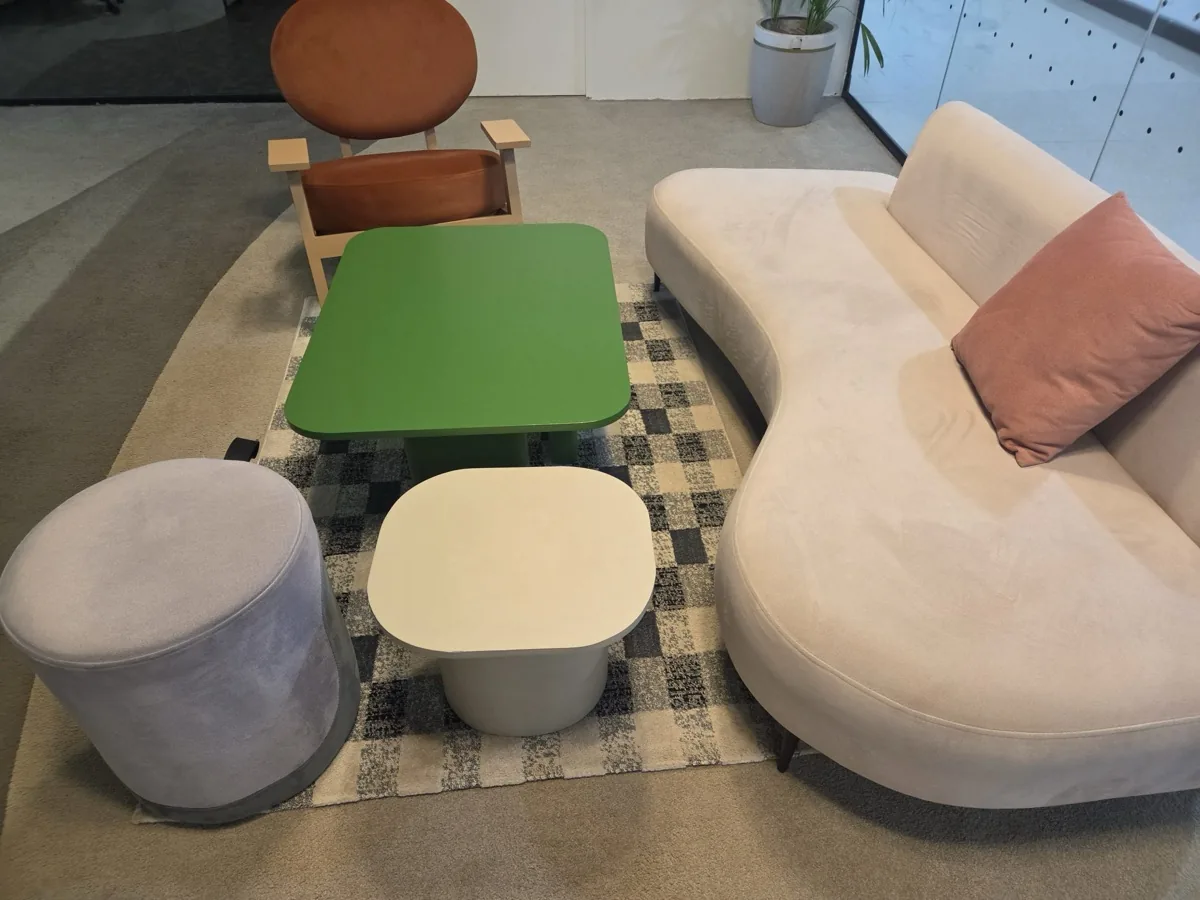
Furniture is one of the broadest import categories from China and one of the most misleading to cost, because three things about it do not show in the photo: the material under the surface, the formaldehyde a board releases in a closed room, and how many cubic metres a piece takes up in the container. A piece that looks cheap in the factory's quotation can turn out expensive once landed because it was shipped assembled, or be rejected because its board did not meet the required emission class.
This page is a general reference for importing furniture, whatever your destination: materials and their finishes, formaldehyde classes and their figures, ISPM 15 treatment, calculating the effect of flat-packing on the container, manufacturing hubs, and the requirements for hotel, office and outdoor furniture. The specifics of the Saudi market — majlis seating sizes, local taste and corner protection in packaging — are covered in importing furniture from China to Saudi Arabia, and we will not repeat them here.
Which types of furniture are imported from China?
Five categories, each with its own factories and requirements: home furniture, office furniture, hotel and project furniture, outdoor furniture, and ready-to-assemble furniture. A factory that excels in one category rarely excels in another.
- Home furniture: bedroom, living room and dining room sets, sofas and upholstered suites, and cabinets.
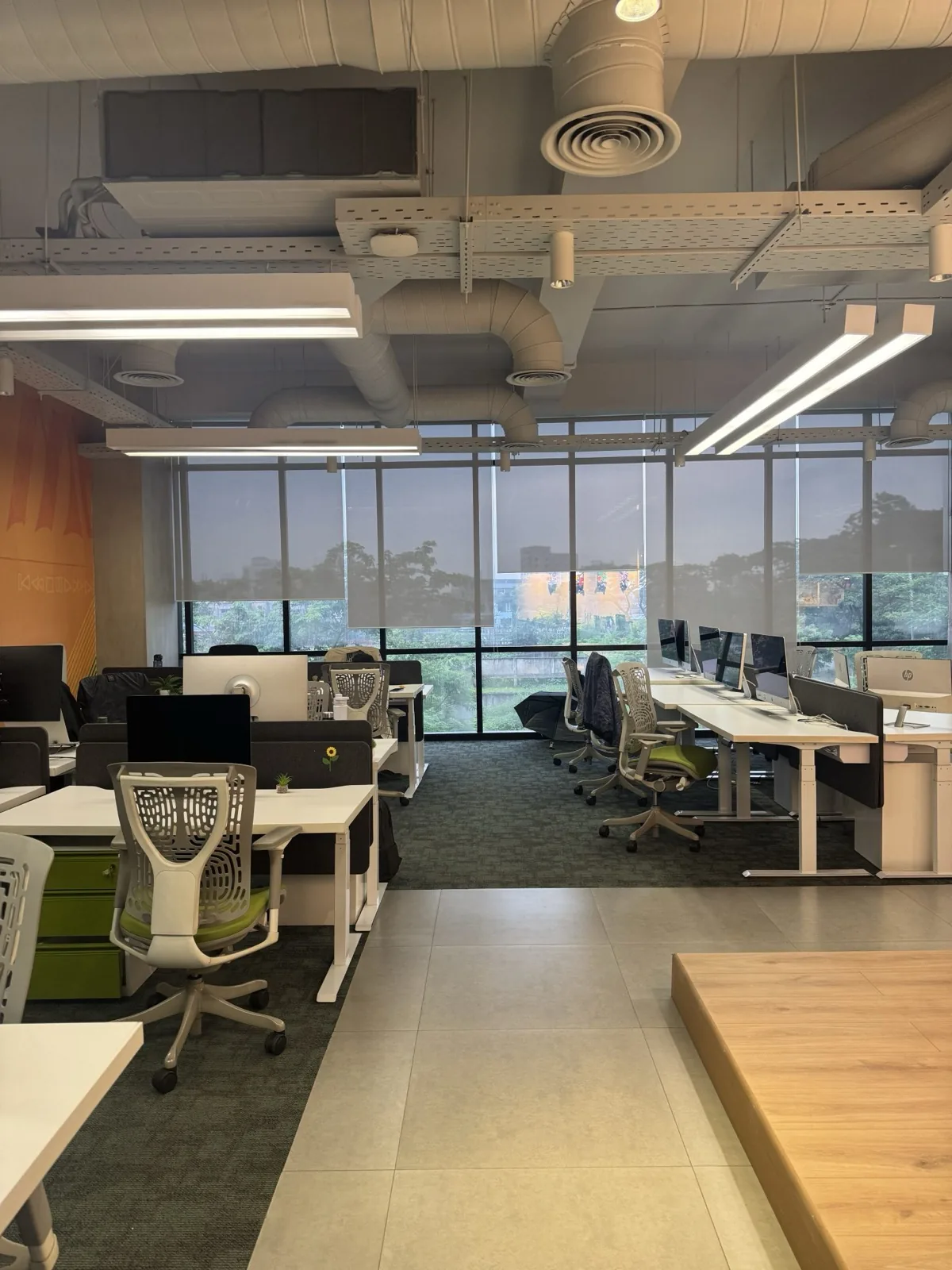
- Office furniture: desks, workstations, swivel chairs and filing cabinets.
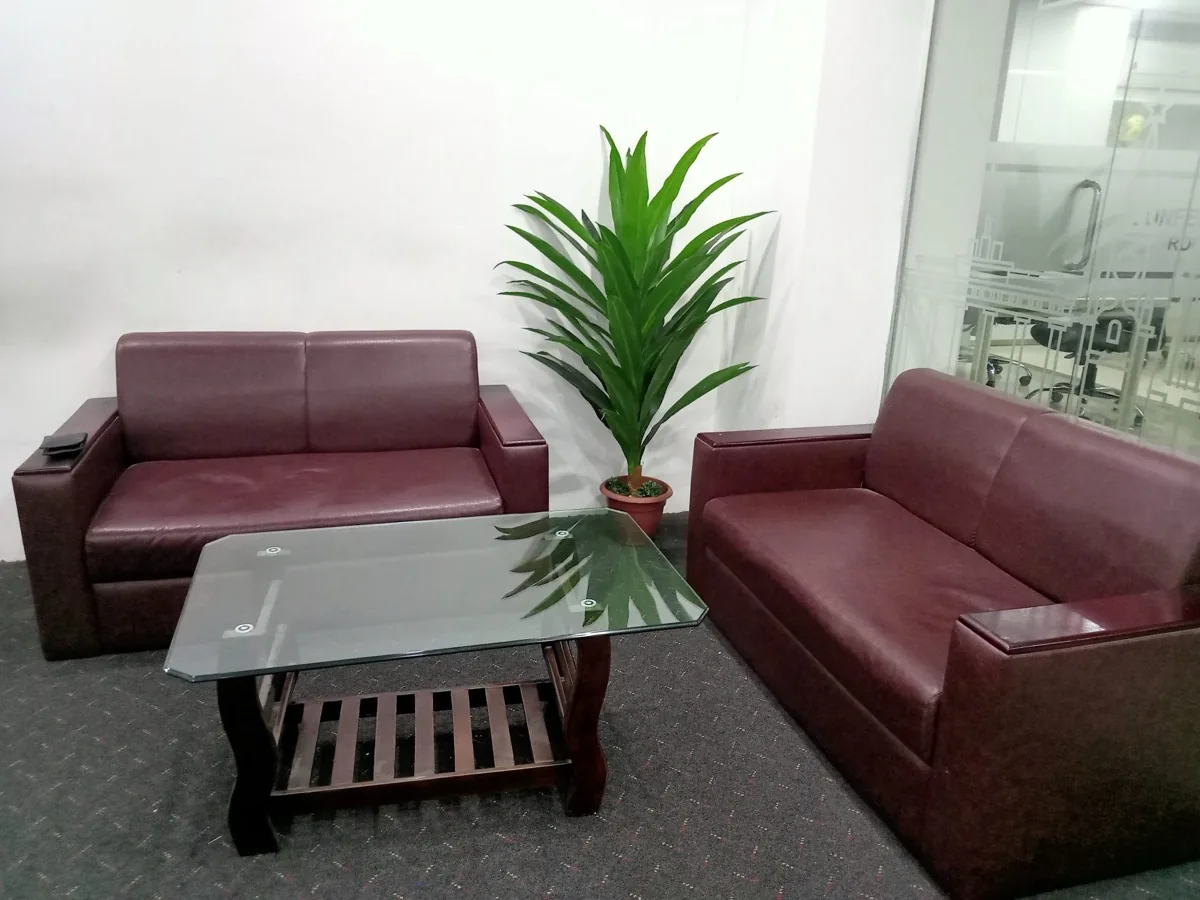
- Hotel and project furniture (contract): made to the project's specification and drawings, in quantities per room, with stricter requirements for fire resistance and durability.
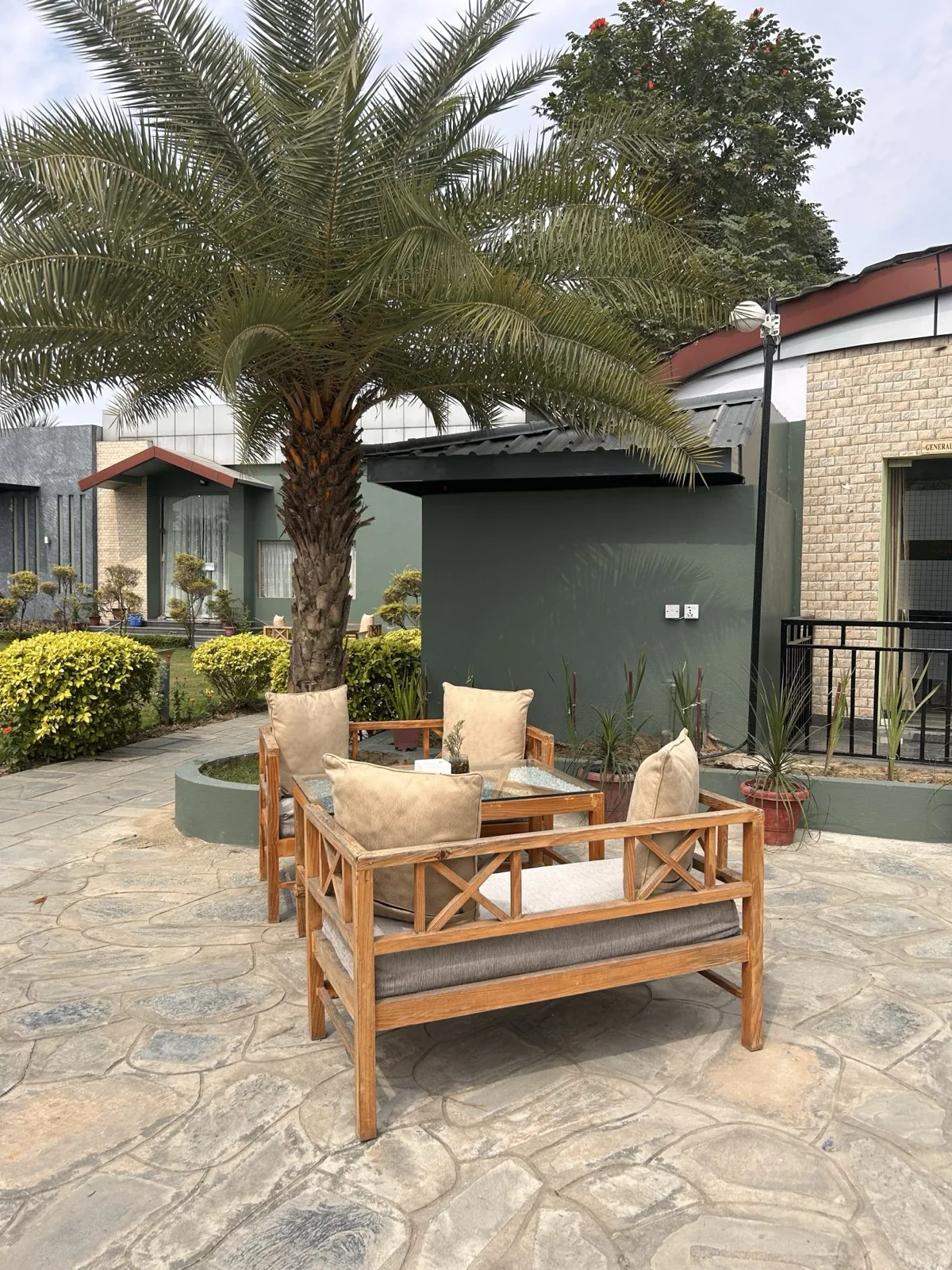
- Outdoor furniture: powder-coated aluminium frames, polyethylene synthetic rattan, teak and reinforced plastic.
- Ready-to-assemble furniture (RTA or flat-pack): shipped as flat panels and assembled on arrival. It is a design category in its own right, not just furniture taken apart.
Solid wood, MDF or particleboard: what are you actually buying?
You are buying whatever the contract names, with its thickness and finish, not what the photo suggests. The word "wood" in a quotation can mean solid wood, natural wood veneer over MDF, or wood-grain printed paper over particleboard. All three are commercially acceptable if they are known and priced accordingly. This table shows what to write for each material:
| Material | What it actually is | Where it fits | What goes in the contract |
|---|---|---|---|
| Solid wood | Boards or pieces cut from tree trunks; the most common in China are rubberwood, pine, oak and imported walnut | Frames, legs, tables and high-end furniture | The wood species by name, the moisture content after drying (usually 8 to 12%), and whether the whole piece is solid or only the frame |
| Natural wood veneer on MDF | A thin slice of wood glued onto fibreboard | Cabinets and tables with a natural wood look | Veneer species and thickness, board thickness, and lacquer type (PU or NC) |
| Painted or paper-covered MDF | Medium-density fibreboard covered with paint, paper or PVC | Painted and shaped surfaces, and kitchen doors | Density, thickness, type of covering, and formaldehyde emission class |
| Melamine-faced particleboard | A board of pressed wood chips covered with melamine paper | Budget, ready-to-assemble and office furniture | Thickness (16, 18 or 25 mm), edge banding thickness, emission class, and moisture resistance if needed |
| Plywood | Layers of veneer with alternating grain | Load-bearing parts and sofa frames | Number of plies, thickness and glue type |
| Aluminium or steel | Welded or bolted metal sections | Outdoor and office furniture, and frames | Section wall thickness, coating type, and salt spray test hours for outdoor use |
Upholstered furniture adds something you never see: foam density in kilograms per cubic metre (lighter foam sags within months), the type of inner frame, and the fabric's abrasion resistance in Martindale test cycles. The figures here are for guidance, not for contracts; the binding figure is the one written in the purchase order and approved in the sample.
What are the E1 and E0 formaldehyde emission classes, and which should you require?
They are classes that set the maximum amount of formaldehyde an engineered wood panel may release into the air: E1 has a limit of 0.124 mg per cubic metre in the chamber test, E0 under the Chinese standard GB/T 39600 has a limit of 0.050, and ENF has a limit of 0.025. The class you require is set by your market, and the stricter it is, the more it costs.
- E1 (under EN 717-1): the most widely used reference limit, equivalent to 0.1 parts per million.
- E0 and ENF (under GB/T 39600-2021): two stricter Chinese classes. The term "E0" in factory quotations is sometimes used with no report to back it, so ask for the report.
- CARB P2 and TSCA Title VI: US market limits by panel type: 0.11 parts per million for MDF, 0.09 for particleboard and 0.05 for hardwood plywood, with mandatory labelling.
- European Union: a limit of 0.062 mg per cubic metre for furniture and wood-based products has been added to the REACH regulation, and it began to apply in August 2026.
Two practical points decide what any certificate is worth. First, the report must cover the board actually used in your order, from the same board supplier, not a general factory certificate. Second, exposed edges without banding release more than covered surfaces, so banding every edge is part of the specification. In the Gulf states, check the wood panel standards adopted by the standards body in the destination country; the requirement depends on how the product is classified, so verify it before production. The figures above are for guidance, not for contracts.
Does imported furniture need ISPM 15 treatment?
ISPM 15 applies to wood packaging material — pallets, crates and dunnage — not to the furniture itself, and engineered wood such as plywood, MDF and particleboard is exempt. The wooden pallet under your furniture must be heat-treated (HT) or fumigated (MB) and carry the IPPC stamp with the treatment code, the country code and the producer number; otherwise the shipment may be rejected or re-treated at your expense.
Furniture made of untreated solid wood, or of natural bamboo and rattan, may however need a phytosanitary certificate or fumigation in some countries, depending on their plant quarantine rules. Three tips: ask about the destination country's requirement before shipping, require a visible IPPC stamp on every pallet, and consider plastic or pressed-wood pallets to sidestep the issue altogether.
How much more does flat-pack furniture fit into a container?
Between two and four times as much, depending on the item, because furniture reaches the volume limit long before the weight limit, and you pay freight on every cubic metre of empty space inside an assembled piece. A 40-foot high-cube container has an internal capacity of about 76 cubic metres, of which about 68 are usable in practice, and it fills up with furniture well before the weight approaches its payload. Here is an illustrative example with hypothetical carton sizes:
| Item | Carton volume, assembled | Carton volume, flat-pack | Pieces per 40HQ, assembled | Pieces per 40HQ, flat-pack |
|---|---|---|---|---|
| Dining chair | about 0.25 m³ | about 0.06 m³ | about 270 | about 1,100 |
| Two-door wardrobe | about 1.2 m³ | about 0.25 m³ | about 55 | about 270 |
| Dining table | about 1.1 m³ | about 0.26 m³ | about 60 | about 260 |
| Three-seater sofa | about 2.0 m³ | about 1.2 m³ with detachable arms and legs | about 34 | about 56 |
The figures are illustrative and for guidance, not for contracts; a proper calculation is based on the factory's actual carton dimensions for each model. Note that an upholstered sofa does not break down like a wardrobe, so the saving is smaller. The trade-off is that flat-packing has to be designed for assembly from the start: accurate holes, a complete set of numbered screws and fittings, and an illustrated manual. Otherwise the saving turns into complaints.
When you combine models from several factories in one container, the usual approach is to arrange consolidation at origin with a specialist consolidator before loading. And remember that groupage (LCL) is charged by the cubic metre, so it hurts bulky, light goods more than others; see groupage shipping (LCL): advantages and drawbacks and the guide to full container load vs groupage.
Where is furniture manufacturing concentrated in China?
Mainly in Guangdong — Foshan, with its Longjiang and Lecong districts, and Dongguan — followed by Zhejiang, Jiangxi and other provinces with specific specialisations. Knowing the specialisation shortens the search:
- Foshan — Longjiang: the hub for upholstered furniture and sofas, and a huge market for furniture materials such as fabrics, foam and fittings.
- Foshan — Lecong: one of the world's largest furniture display and sales markets, useful for seeing ranges, though the seller there is often a showroom, not a factory.
- Dongguan — Houjie: long-established export factories for wooden and high-end furniture, and regular furniture fairs.
- Anji (Zhejiang): a major hub for office and swivel chairs.
- Nankang (Jiangxi): a large cluster for solid wood furniture.
- Outdoor furniture: factories for aluminium frames and synthetic rattan, especially in Foshan and Zhejiang.
The China International Furniture Fair (CIFF) is held in Guangzhou in March and in Shanghai in September, and it is a chance to compare factories in a few days. But always check that you are dealing with a factory, not a showroom, using how to find a verified Chinese supplier.
What are the requirements for hotel, office and outdoor furniture?
Each of these categories adds requirements on top of home furniture: fire resistance and durability for hotels, safety and durability standards for office chairs, and resistance to sun and salt for outdoor furniture.
- Hotel furniture: foam and fabrics with fire resistance to the project's specification, such as BS 5852 or CAL TB 117-2013, and fabric with higher abrasion resistance than for home use. Professional practice is to build a mock-up room and approve it before full production.
- Office chairs: durability and safety tests to EN 1335 or BIFMA X5.1 depending on the market, a gas lift of a recognised class (Class 3 or Class 4) with a test report, and a five-star base with a load test.
- Outdoor furniture: powder-coated aluminium with a set number of hours in the salt spray test, synthetic rattan with a UV stabiliser, stainless steel rather than galvanised screws, and fade-resistant fabrics.
What are the common risks in importing furniture, and how do you avoid them?
The most common are a change of material after the sample is approved, wood moisture that makes it crack or go mouldy in the container, missing assembly parts, and colour variation between batches. All of them are avoided with a written specification, a reference sample and an inspection before loading:
- "Solid wood" that is not solid: ask for a piece of the sample to be cut, or check its edges and underside, and state in the contract which parts are solid.
- A cheaper or thinner board: measure board thickness during inspection, and match the supplier's stamp on the boards against the emission report.
- Moisture and condensation: wood that has not been dried enough cracks in dry climates and goes mouldy in a humid container; measure moisture with a meter before loading, and put desiccants in the container.
- Missing assembly parts: the fittings bag goes inside the carton of the piece itself, and is counted during inspection.
- Colour variation: natural veneer varies from one batch to the next; approve a colour sample and keep it as a reference.
- Foam sagging: write the density as a figure and ask for a sample to be cut open to check it.
How do you import furniture from China?
In nine steps: the first is to define the material, emission class and carton volume before comparing prices, and the last is an inspection that matches production against the sample before the container is sealed.
- Define the category and the market: home, office, hotel or outdoor, and the destination country's requirements on emissions and fire resistance.
- Look for factories that specialise in your category, in the city known for it, and tell the factory from the showroom.
- Ask for quotations against the full specification: material, thickness, finish, emission class, and carton dimensions and volume for each model.
- Decide between assembled and flat-pack by calculating the landed cost per piece in both cases.
- Approve samples and keep a reference sample, or documented photos and measurements, for each model.
- Finalise the contract and payment terms: see Incoterms 2020 and safe payment methods for Chinese factories.
- Follow production, and plan around the Chinese New Year holiday, when furniture factories stop for a long time, as explained in production schedules and peak seasons.
- Inspect before loading: material, thickness, colour, finish, packaging and assembly parts, including actually assembling random samples. See pre-shipment inspection and acceptance levels.
- Arrange shipping and review the documents: the container stowage plan, the ISPM 15 stamp on the pallets, and matching the invoice and packing list for each model.
Alshumul's role in importing furniture
Alshumul Commercial Services is an import and export company based in Guangzhou, a short distance from Foshan and Dongguan, where a large share of China's exported furniture is made, and it works on the Chinese side of the deal:
- Finding and verifying factories: shortlisting factories that specialise in your category, and telling factories from showrooms and middlemen.
- Factory audits and visits: inspecting the panel, upholstery and finishing lines, and the factory's board store and its suppliers' stamps. See factory audit: what it is and why it matters.
- Negotiating directly in Chinese on material, thickness, emission class, packaging and price.
- Requesting and following up samples until they are approved, and documenting them as a reference for inspection.
- Production follow-up and scheduling, especially when the order is spread over several factories.
- Pre-shipment inspection: measuring thickness and moisture, matching colour and material against the sample, counting assembly parts and checking packaging, with a photo report.
- Arranging shipping: full container load or groupage through shipping lines, and arranging consolidation with a specialist consolidator when several factories are involved.
- Reviewing documents before sailing and following up until the port of discharge.
Alshumul does not handle customs clearance in the destination country and does not provide legal advice. To calculate the landed cost per piece, including its share of freight, see the real cost of importing from China.