Bicycles look like one category but are really two. A bicycle is a mechanical product, judged on its frame, welding and components. An e-bike is an electrical product on two wheels, judged on its motor, battery and controller; it falls under dangerous goods rules in shipping and under traffic restrictions in the destination country. This page also covers electric scooters and bicycle parts.
Anyone who imports e-bikes with a bicycle mindset usually makes three costly mistakes: they choose a power and speed their market does not allow, they book shipping that will not accept the battery, and they sell without spare parts for components that have no substitute in their country. This page is built to avoid all three.
Where are bicycles and e-bikes made in China?
Tianjin is the largest hub for bicycles and children's bikes, and Jiangsu — especially Wuxi and Changzhou — is the largest hub for e-bikes, electric scooters and their motors. Tianjin's Wuqing District is home to the town of Wangqingtuo, with thousands of factories and workshops making bicycles and parts, and the nearby Port of Tianjin makes exporting from there easier. Jiangsu hosts the headquarters of major e-bike brands and factories making motors and controllers, as well as factories producing for well-known international brands.
| Region | Main specialisation | Note for importers |
|---|---|---|
| Tianjin (Wuqing and surrounding areas) | Bicycles, children's bikes and budget e-bikes | A very wide range and large variation in quality; verifying the factory is essential |
| Hebei (Pingxiang and Guangzong counties in Xingtai) | Children's bikes, tricycles, balance bikes and their parts | Close to the Port of Tianjin, with competitive prices in the budget segment |
| Jiangsu (Wuxi, Changzhou and Suzhou) | E-bikes and electric scooters, motors and controllers | The centre of electrical expertise; suited to buyers who need an advanced export specification |
| Zhejiang (Yongkang and surrounding areas) | Scooters of all kinds and children's ride-on vehicles | Close to the ports of Ningbo and Shanghai |
| Guangdong and Fujian (Shenzhen and Xiamen) | Carbon-fibre frames and high-specification bicycles, e-bike batteries and controllers | The higher-price, higher-specification segment |
Location also affects shipping: sea freight from northern ports such as Tianjin to the Gulf and the Red Sea usually takes more days than from southern ports, so build that into your schedule. Transit times vary by shipping line and season, so treat them as a guide, not as contract terms.
What specifications go into a bicycle contract?
The frame, its material and welding; the components with their brands and grade; the brakes; the wheels; and the maximum load — stated as figures, not descriptions. The phrase “26-inch mountain bike” describes a hundred products that differ in price and lifespan.
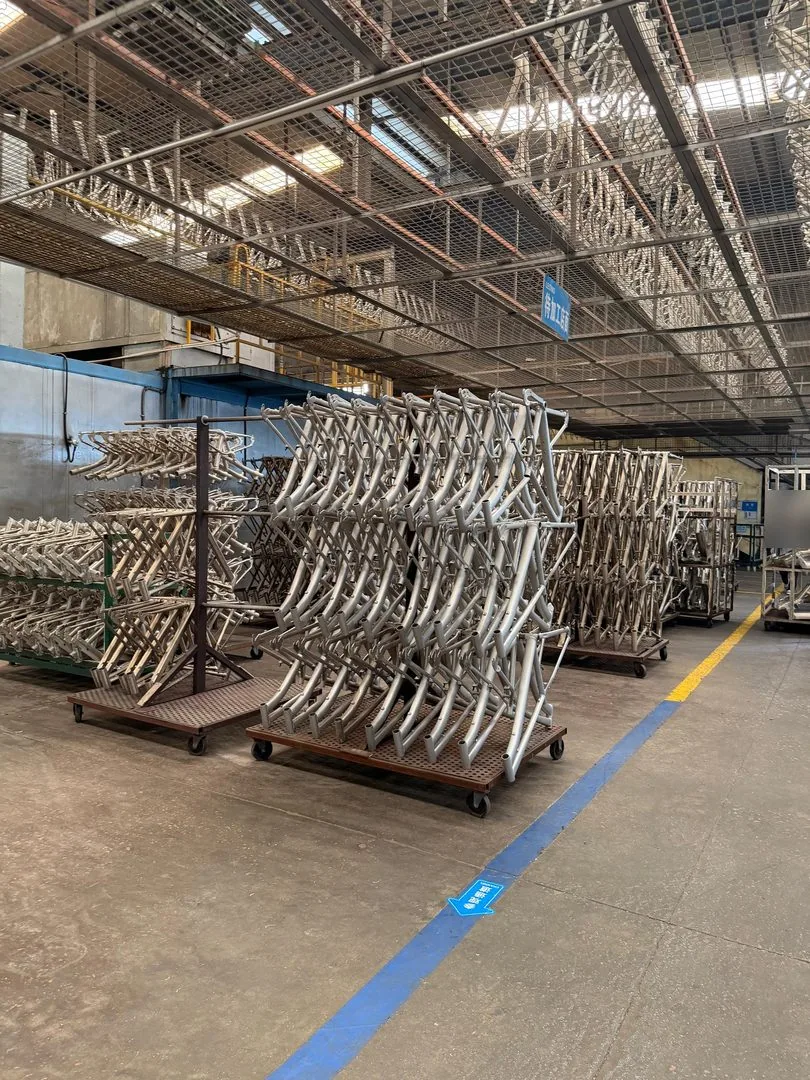
- Frame material: high-tensile steel (Hi-Ten) is cheaper and heavier, aluminium alloys such as 6061 are lighter and more expensive, and carbon fibre is for the premium segment. Ask for the tube wall thickness, the welding method and photos of weld cross-sections on the sample.
- Fork: rigid, spring or air-oil, and its travel.
- Gear system: the number of gears, the brand, and the tier within that brand's range. Watch out: counterfeit components bearing the logos of well-known component brands are common in the budget segment, and importing them is an infringement, like any registered trademark used without its owner's permission.
- Brakes: rim brakes (V-brake), mechanical disc or hydraulic disc — each with a completely different price and performance on descents and under load.
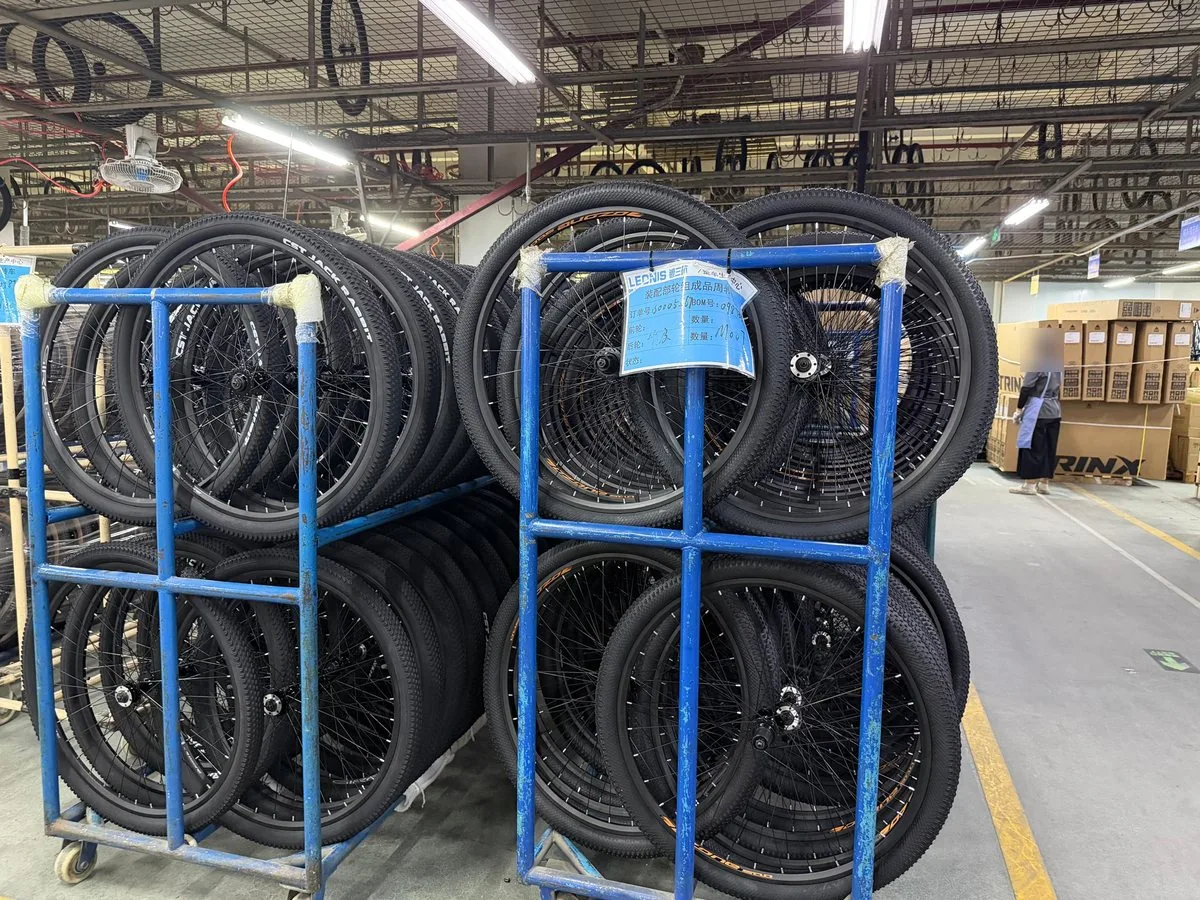
- Wheels: double-wall or single-wall rims, the number and material of the spokes, and the tyre size and brand.
- Maximum rider load and the bike's total weight, plus the frame sizes available by rider height.
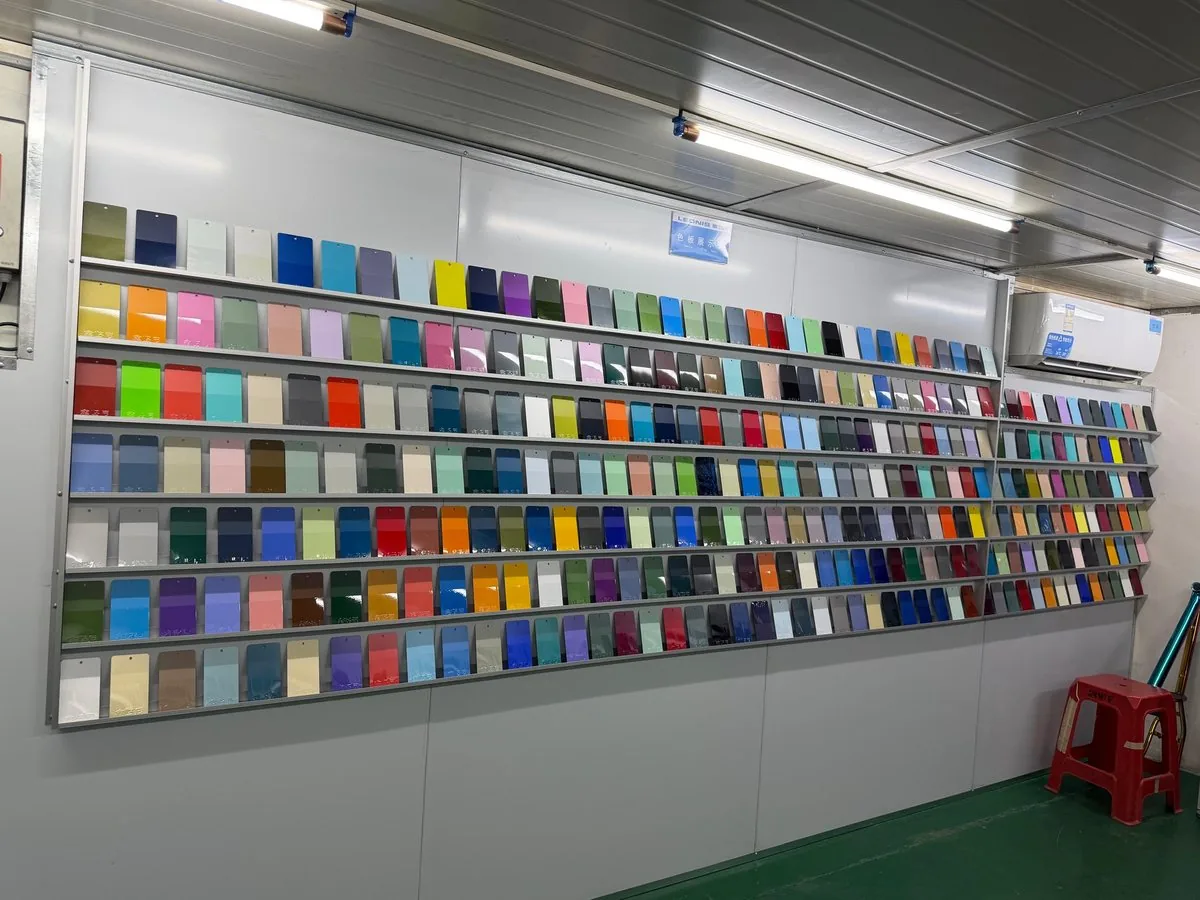
- Paint and anti-rust treatment, because a long sea voyage in salty air exposes poor paintwork before your customer ever sees it.
Very small children's bikes and balance bikes may be classified as toys in some markets, depending on saddle height, which makes them subject to toy safety requirements rather than bicycle requirements — see the Toys page.
How do you read e-bike specifications: motor and battery?
Through three core figures: the motor's continuous rated power in watts, the battery's voltage in volts and its capacity in ampere-hours — from which you calculate the battery's energy in watt-hours, which determines the real range. The most common way importers are misled in this category is with figures that look correct but are read the wrong way.
| Component | What goes in the contract | The common trick |
|---|---|---|
| Motor | Type (hub motor in the front or rear wheel, or mid-drive at the pedals), continuous rated power, torque in newton-metres, and the manufacturer | Presenting peak power as rated power — a motor rated at 500 W advertised as “1,000 W” |
| Battery | Voltage (36, 48 or 52 V), capacity in ampere-hours, cell type (18650 or 21700) with its manufacturer and grade, and the current of the battery management system (BMS) | Lower-grade or recycled cells, and a declared capacity higher than the real one |
| Controller | Maximum current in amperes, compatibility with the motor and display, and availability as a spare part | A proprietary unit that only works with the same factory's display and is unavailable after sale |
| Sensor | Cadence sensor or torque sensor | A cheap cadence sensor marketed as giving the feel of a torque sensor |
| Charger | Input voltage of 220–240 V, a plug that matches the destination country, and its safety certificate | A charger with no protection, or with a plug that does not suit the market |
| Water protection | IP rating of the battery, motor and controller | A “water-resistant” claim with no rating and no test |
The calculation that exposes exaggerated range claims is simple: battery energy in watt-hours = voltage × capacity. A 48 V, 13 Ah battery therefore holds 624 Wh. A city e-bike in normal use consumes around 10 to 20 Wh per kilometre, depending on the assistance level, rider weight, terrain and temperature, so this battery's realistic range is roughly 30 to 60 km. If you are promised a range of 120 km from a 360 Wh battery, that figure is marketing, not a specification. These figures are approximate and for guidance only.
What are the legal power and speed limits for e-bikes?
Many markets cap motor power and the speed at which assistance cuts out, and treat a bike that exceeds them as a motorcycle or light vehicle requiring type approval, registration and sometimes a licence and insurance. Power and speed are therefore chosen according to the rules of the country of sale, not according to what the buyer asks for or what the factory offers. These examples from markets with well-known rules show how widely they differ:
| Market | Maximum rated power | Assistance cut-off speed | Note | Source |
|---|---|---|---|---|
| European Union | 250 W | 25 km/h | Pedal assistance only, cutting out when the rider stops pedalling. A bike with a throttle, or one that exceeds the limits, is classified as a “powered cycle” (category L1e-A) and needs type approval | Regulation (EU) No 168/2013, Article 2(2)(h) European Commission interpretation on categorising cycles (2016) Standard EN 15194:2017 |
| Great Britain | 250 W | 25 km/h (15.5 mph) | Anything that does not meet the conditions for an electrically assisted pedal cycle (EAPC) is treated as a motorcycle or moped: registration, tax, insurance and a driving licence | GOV.UK: Electric bike rules Electrically Assisted Pedal Cycles (Amendment) Regulations 2015 (SI 2015/24) |
| United States (federal definition) | Less than 750 W | Less than 32 km/h (20 mph) on motor power alone | States divide e-bikes into three classes; in California, for example, Class 3 is pedal assistance up to 28 mph (about 45 km/h) with a motor of no more than 750 W | US law 15 U.S.C. § 2085 California Vehicle Code § 312.5 |
| China (GB 17761-2024) | 400 W | 25 km/h | In force since 1 September 2025, replacing the 2018 edition: a complete bike weight of up to 55 kg, or up to 63 kg with lead-acid batteries, and plastics making up no more than 5.5% of its weight — which is why models for the Chinese market differ from export models | Standard GB 17761-2024, clauses 6.1.1, 6.1.3 and 6.3.3.1 The Chinese government's explanation of its main requirements |
| Gulf and Arab markets | Varies | Varies | Rules differ between countries and cities, and they change. In Dubai, for example, the resolution regulating the use of cycles does not set a motor power limit; instead, the Roads and Transport Authority sets speeds in designated areas, and riding an e-bike on a road with a speed limit above 60 km/h is prohibited | Dubai Executive Council Resolution No. (13) of 2022, Article 6 |
Two practical warnings. First: do not import bikes whose speed limiter “can be removed” and sell that as a feature; a bike that exceeds market limits after a simple modification may be deemed non-compliant, and you may be held liable for its accidents. Second: customs classification follows the nature of the vehicle. A bicycle is usually classified under HS heading 8712, a bicycle fitted with an electric motor under heading 8711, and bicycle parts under 8714 — the exact national tariff line and its duties are determined by your customs broker in the destination country. The table is for guidance, not for contracts, because rules are amended; its figures were checked against the official sources cited in September 2026.
Why is the e-bike battery the hardest part to ship?
Because it is a large lithium-ion battery that usually exceeds 100 Wh — between 300 and 1,000 Wh on most e-bikes — so it is treated as Class 9 dangerous goods with the full set of requirements, and commercial air freight is all but closed to it. This holds up shipments in this category more than any other factor, often at booking, before the container has even moved.
The classification depends on how the battery is packed:
- Battery installed in the bike or scooter: recent editions of the IMDG Code for sea freight classify it under the entry for a “vehicle, lithium ion battery powered” (UN3556), and the Code explicitly names bicycles fitted with a motor among its examples of such vehicles.
- Battery in the same carton as the bike but not installed: lithium-ion batteries packed with equipment (UN3481).
- Batteries on their own as spare parts: lithium-ion batteries (UN3480), the strictest case.
The exact classification of each shipment is settled by a freight forwarder specialising in dangerous goods, but the documents and conditions required are almost always the same:
- A UN38.3 report in the name of the specific battery model with the test summary, and an up-to-date safety data sheet (MSDS).
- A dangerous goods declaration at booking and prior approval from the shipping line, with surcharges that most lines impose, and hazard labels on the container.
- Packaging that protects the battery terminals against short circuits and stops the battery moving, with the lithium battery mark on the cartons where required.
- A full container load is the natural route, because many LCL consolidators refuse batteries or impose conditions that wipe out the savings, as we explain in our guide to LCL groupage shipping.
This difficulty has a direct effect on samples: sending a single e-bike by air with its battery is costly and complicated, and many carriers refuse it. Many importers therefore assess the sample at the factory itself, or ship it without the battery and have the battery's performance tested in China. Hiding the battery in the shipment description to avoid all this is the worst decision you can make: fines that can reach thousands of dollars per container, and full liability if a fire breaks out. For the principles of lithium batteries in electronics generally, see the Electronics page.
One last point concerns what happens after arrival: lithium batteries do not tolerate long storage well. A battery that sits in stock for months loses charge through self-discharge, and if it falls into deep discharge its cells are damaged or fail. So plan your stock rotation, require the batteries to be shipped at a partial state of charge suitable for storage, and test a sample of them on arrival. Battery fires on e-bikes have led some cities to require recognised safety certification for e-bike batteries and electrical systems, and the general trend is towards tighter rules.
How are bicycles shipped: assembled or knocked down (SKD and CKD)?
Bicycles are usually shipped about 85% assembled in a carton (SKD) — the frame assembled, with the front wheel, handlebar and pedals detached; owners of local assembly lines choose completely knocked down (CKD) shipping. With bicycles, volume reaches its limit long before weight: a 40-foot high-cube container full of bicycles usually weighs no more than a few tonnes, so every centimetre in the carton dimensions translates directly into fewer units and a higher cost per unit.
| Method | What arrives | Approximate quantity in a 40-foot high-cube container | Best suited to |
|---|---|---|---|
| Fully assembled | A bike ready to ride | Far fewer than the other methods | Rarely worthwhile except for special bikes or small quantities |
| SKD, 85% assembled | A bike that needs the front wheel, handlebar and pedals fitted and the brakes adjusted | About 300 to 350 adult bikes, or 150 to 220 e-bikes | Most importers and distributors |
| CKD | Separate frames, wheels and components | Several times more, depending on the arrangement | Buyers with an assembly line, technicians and equipment for tensioning spokes and truing wheels |
These quantities are approximate and for guidance only; they depend on wheel size, carton dimensions and the type of bike. CKD shipping is not an automatic saving: it requires an assembly line, trained labour and quality control in the destination country. And under the general rule of customs classification, a complete article shipped disassembled may be classified as the assembled article, so do not assume CKD lowers duties until your customs broker confirms it under your country's rules.
On packaging: multi-layer cartons that can withstand stacking, special protection for the rear derailleur, brake disc and display, a lubricated chain and rust protection for exposed metal parts, and moisture absorbers. To calculate container capacity and weigh a full container load against groupage for bicycles, see the FCL vs LCL guide.
What certifications and requirements do bicycles need?
A bicycle needs to comply with bicycle safety standards; an e-bike additionally needs its electrical system, battery and charger to comply, together with battery transport documents. The exact requirement depends on how the product is classified and on the destination country, and it should be checked before production.
- Bicycle safety standards: ISO 4210 for adult bikes and ISO 8098 for children's bikes, which test the frame, fork, brakes and handlebar under stress and fatigue.
- E-bikes: EN 15194 for electrically power-assisted cycles, EN 17128 for light electric vehicles such as scooters, and electrical safety standards for the battery and charger.
- Battery: a UN38.3 report for transport, plus safety tests on the battery itself, depending on the market.
- In Gulf markets: products covered by technical regulations are registered on SABER, Saudi Arabia's product conformity platform; in the UAE, the requirements of ECAS, the Emirates Conformity Assessment Scheme, are reviewed; and you check which regulation applies to the bicycle, e-bike or scooter — as well as the traffic authority's rules for road use.
Ask for the test reports themselves, showing the model name, report number and laboratory name — not a photo of a generic certificate. For detail on conformity schemes, see Product certifications for import: SASO/SABER, ECAS and CE.
How do you import bicycles into Saudi Arabia, the UAE, Iraq, Mozambique and Tanzania?
The steps in China are the same for every market — specification, sample, inspection and shipping — and the difference lies in the destination country's requirements and ports. Here is a summary of what differs in each market; regulations change, so check them with the competent authority or your customs broker before ordering.
How do you import bicycles into Saudi Arabia?
Bicycles covered by technical regulations are registered on the SABER platform: a product certificate of conformity is issued once, then a shipment certificate for each consignment, and an e-bike also needs its battery and charger to comply. Shipments usually arrive at Jeddah Islamic Port or King Abdulaziz Port in Dammam, and label information and the user manual are required in Arabic. For details, see Importing from China to Saudi Arabia.
How do you import bicycles into the UAE?
Most shipments pass through Jebel Ali port in Dubai, from where a large share is re-exported to the Gulf states and Africa. First check whether the bike or its battery falls within the products covered by the Emirates Conformity Assessment Scheme (ECAS), then the traffic authority's rules for using e-bikes on roads and cycle lanes in each emirate. For the import and clearance stages, see Importing from China to the UAE.
How do you import bicycles into Iraq?
The first rule in Iraq is the certificate of conformity before shipment (COC): an accredited inspection company inspects the goods in China and issues the certificate before loading, and a shipment that arrives without one gets held up. Sea shipments usually enter through Umm Qasr port, some come overland via Jordan or Turkey, and the Kurdistan Region has its own procedures, which should be checked separately. See Importing from China to Iraq.
How do you import bicycles into Mozambique?
Shipments arrive at the ports of Maputo in the south, Beira in the centre and Nacala in the north, so choose the port closest to where you will sell, because inland transport is expensive. Commercial documents are usually required in Portuguese or translated into it, and you should check with your customs broker whether the shipment needs an inspection or a certificate of conformity before shipment. Demand there is strong for sturdy bikes built for unpaved roads, and for CKD shipping to reduce container volume, followed by local assembly.
How do you import bicycles into Tanzania?
Most imports pass through the port of Dar es Salaam, which is also the transit gateway to neighbouring landlocked countries such as Zambia, Malawi, Rwanda and Burundi. The Tanzania Bureau of Standards (TBS) requires Pre-Export Verification of Conformity (PVoC) for many products, so the product is inspected and the certificate issued before shipment from China. Check whether it applies to your bicycle category before booking shipping, and check the transit requirements if the final destination is outside Tanzania.
Our role in all these markets is on the Chinese side: pre-shipment inspection, arranging the accredited inspection body's appointment at the factory when a certificate of conformity is required, preparing the documents and booking shipping — customs clearance in the destination country is handled by your customs broker.
What are the most common risks in importing bicycles, and how do you avoid them?
For bicycles, the most serious are welding, brakes and counterfeit components; for e-bikes, poor-quality cells and components with no spare parts. Here is a list of what actually comes up again and again:
- Weak or incompletely penetrated welds at the frame joints: they show up as cracks after months of use. Inspect weld cross-sections on the sample, and ask for the frame's fatigue test results.
- Counterfeit components of well-known brands: a trademark infringement, and their performance is inferior. Require genuine branded components or unbranded components declared as such.
- Lower-grade battery cells: shorter range, shorter life and higher risk. Ask for the cell manufacturer's name and batch code, and test the capacity of a sample of batteries before shipment.
- Unavailable spare parts: the controller, display, charger and battery are often factory-specific parts. With the first shipment, order a stock of these and of tyres, brake pads and spokes — for organised imports of spare parts, see the Spare Parts page.
- Seasonal demand: bicycle factories fill their order books ahead of the spring and summer season in Europe and America, which coincides with the Chinese New Year holiday, so lead times get longer. See Chinese New Year and peak seasons.
- Minimum order quantity per colour and size: the factory calculates it for each combination, not for each model, so negotiate the assortment before the price. See Minimum order quantity and how to negotiate it.
How do you import bicycles and e-bikes from China?
- Start with the rules of the country of sale: power and speed limits, the certifications required, and how the traffic authority classifies e-bikes and scooters.
- Define the category and specification: bike type, frame material, components, and the motor and battery in figures.
- Find the factory and verify it in the region that specialises in your category, and tell a factory that welds frames and assembles batteries apart from a trader. See Factory audit.
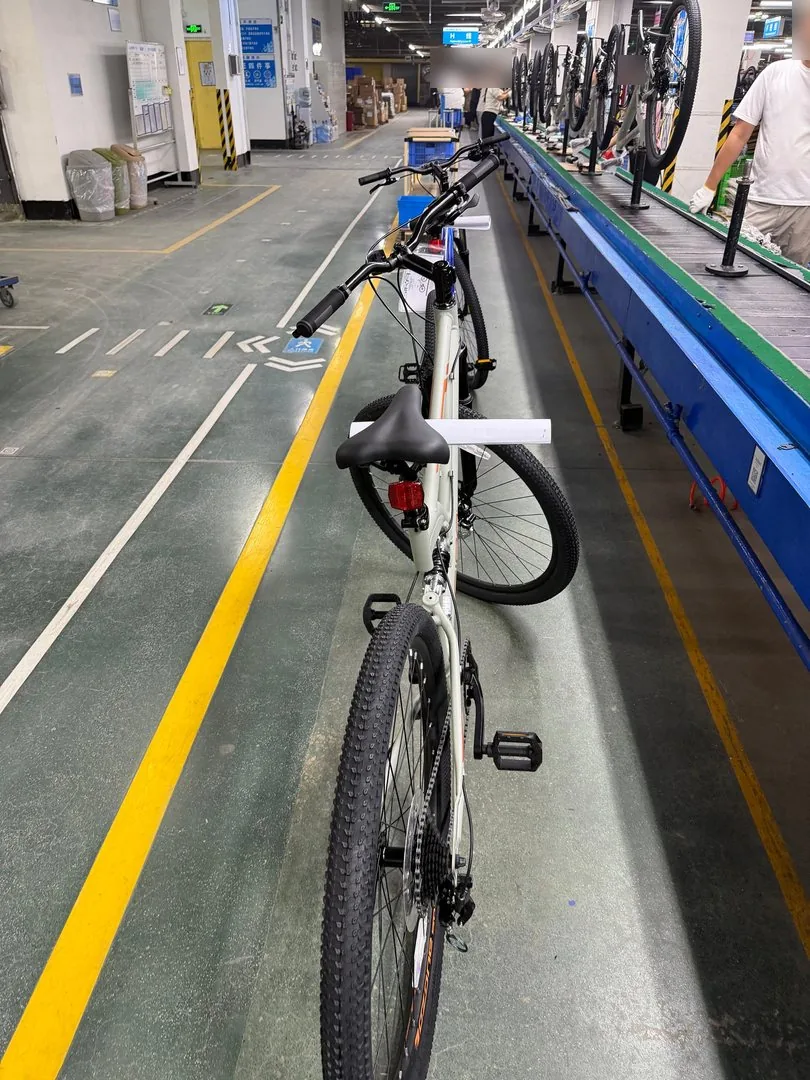
- Evaluate the sample: a test ride, a check of the welds and brakes, and a test of battery capacity and the bike's actual range — at the factory if the sample cannot be shipped with its battery.
- Write the specification into the purchase order: rated power, cell manufacturer, branded components, packaging, degree of assembly (SKD or CKD), and the spare parts to accompany the order.
- Complete the certifications and battery reports before production: safety standards, plus UN38.3 and MSDS in the model's name.
- Monitor production and inspect before shipment: frame alignment, brakes, test rides on random samples, and testing of batteries and chargers. See Pre-shipment inspection and AQL standards.
- Book shipping that accepts batteries: a dangerous goods declaration, shipping line approval, and usually a full container load.
- Review the documents before sailing: the invoice, packing list, dangerous goods declaration and goods description must all match.
Alshumul's role in importing bicycles and e-bikes
Alshumul Commercial Services is an import and export company based in Guangzhou that works with bicycle factories in their specialist hubs in Tianjin, Jiangsu and elsewhere. With e-bikes in particular, the value of this work is that most of their problems come down to figures read the wrong way and battery documents missing at booking. What we handle:
- Sourcing and verifying factories in the right region for your category, and telling a factory apart from a middleman.
- Factory audits and visits: the welding and painting line, battery assembly, and where the cells and motors come from.
- Requesting and following up samples, and assessing them at the factory when they cannot be shipped with their battery.
- Negotiating directly with the factory in Chinese on the specification — rated power rather than peak power, the cell manufacturer, the components — and on price and the accompanying spare parts.
- Production monitoring and pre-shipment inspection: welds, brakes, test rides, and testing of batteries and chargers on random samples.
- Arranging shipping through shipping lines and consolidators that accept lithium batteries with a correct declaration, and collecting the UN38.3 reports and MSDS from the factory before booking.
- Reviewing documents before sailing, and following up until the port of discharge.
We are clear about what we do not offer: we do not handle customs clearance inside the destination country, and we do not give legal opinions on how traffic or regulatory authorities classify a bike — that is for the competent authority or a legal adviser in your country to decide. To calculate your full landed cost, see The real cost of importing from China.
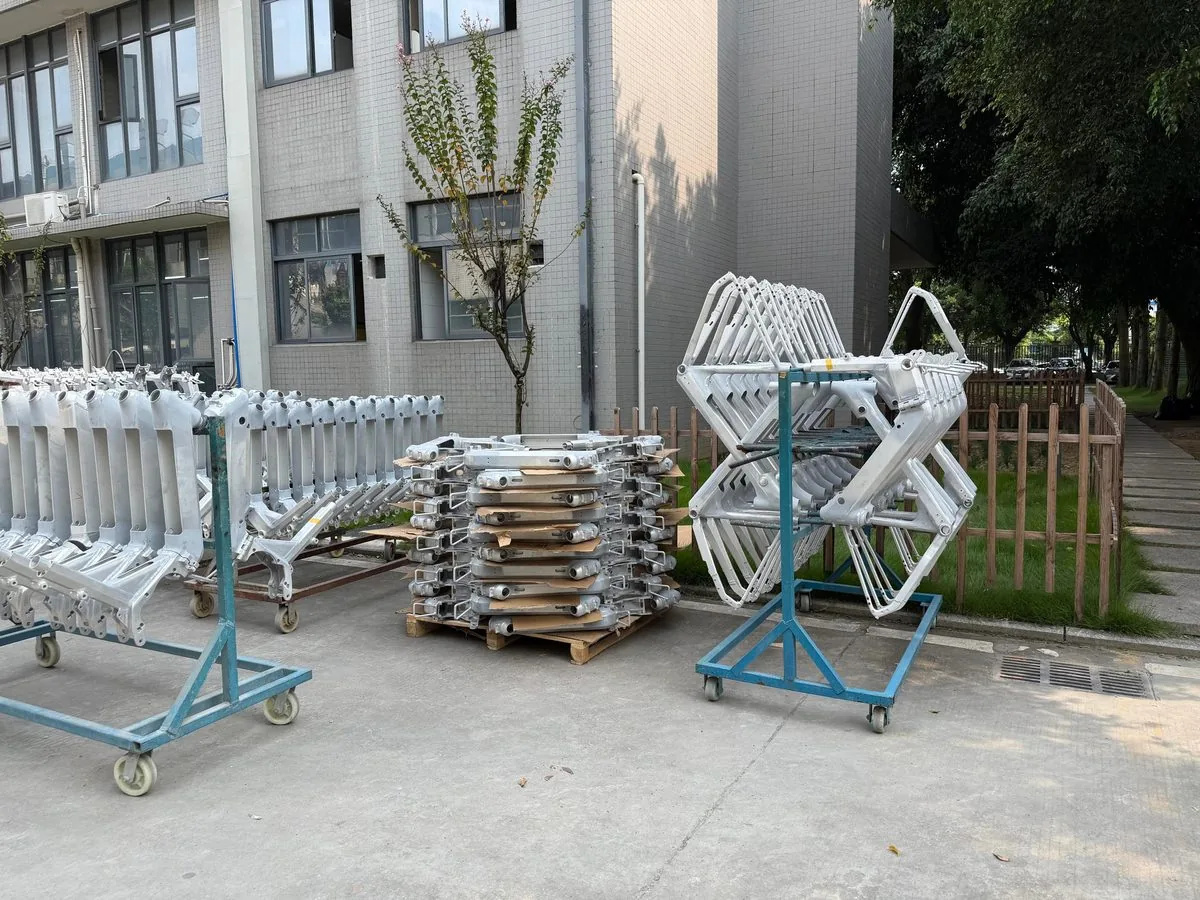
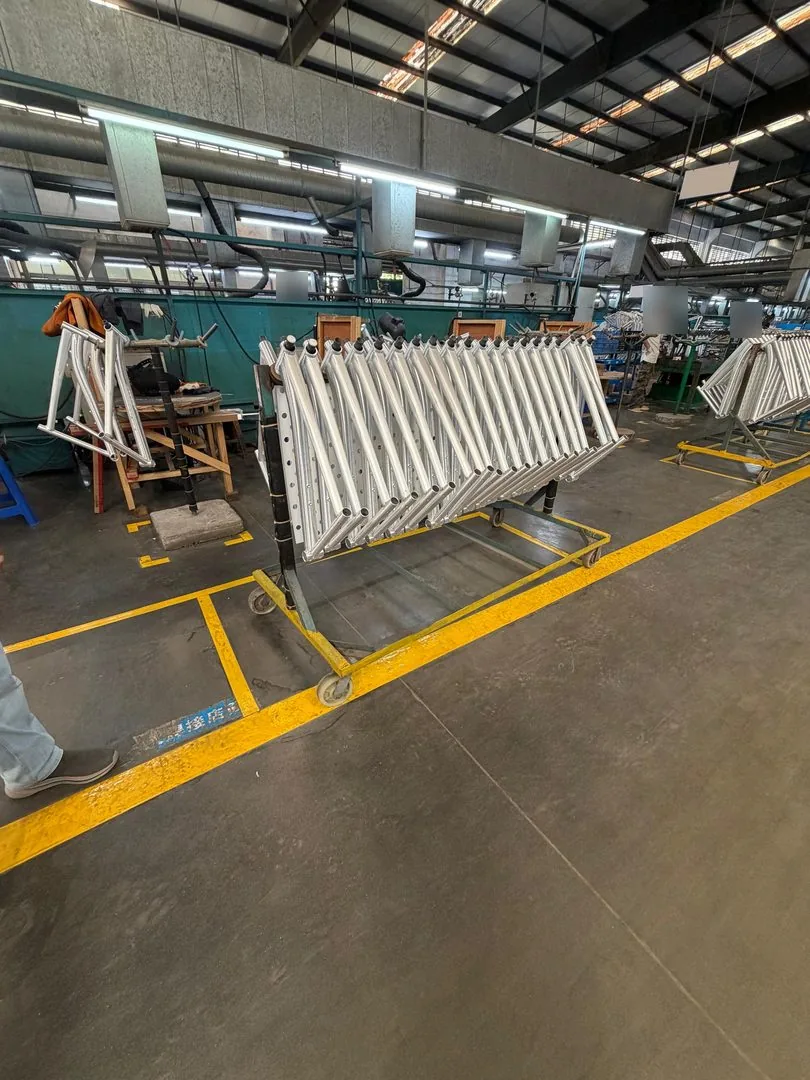
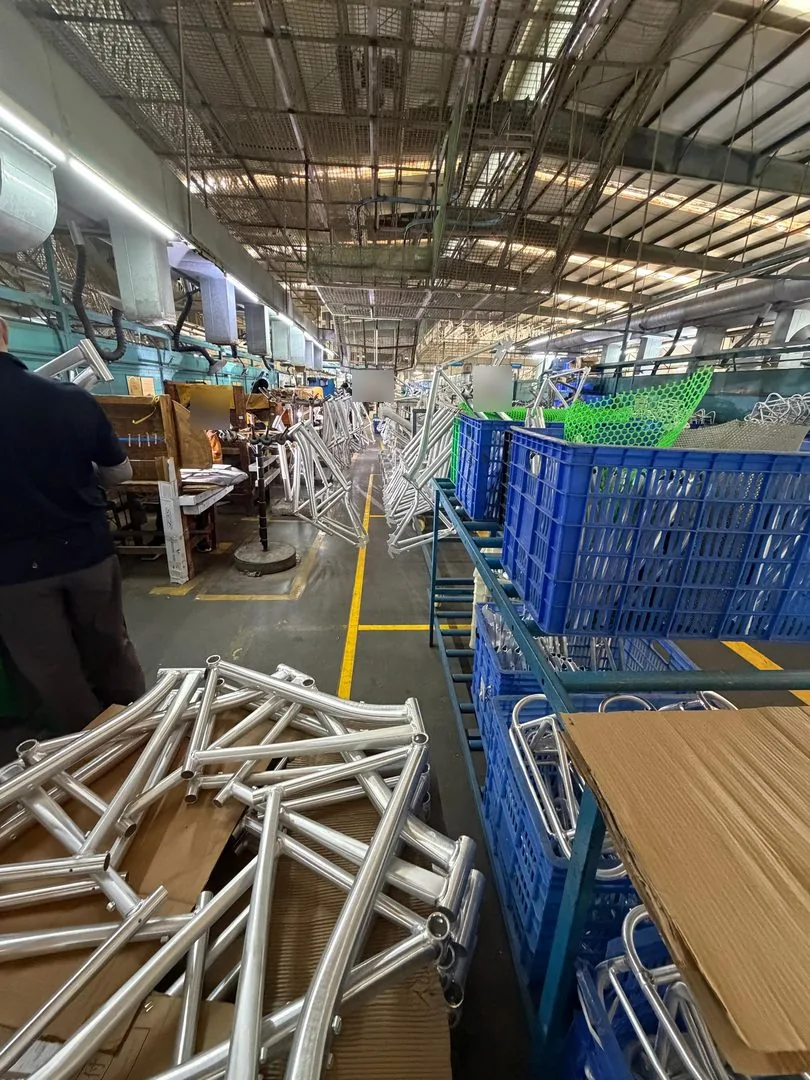
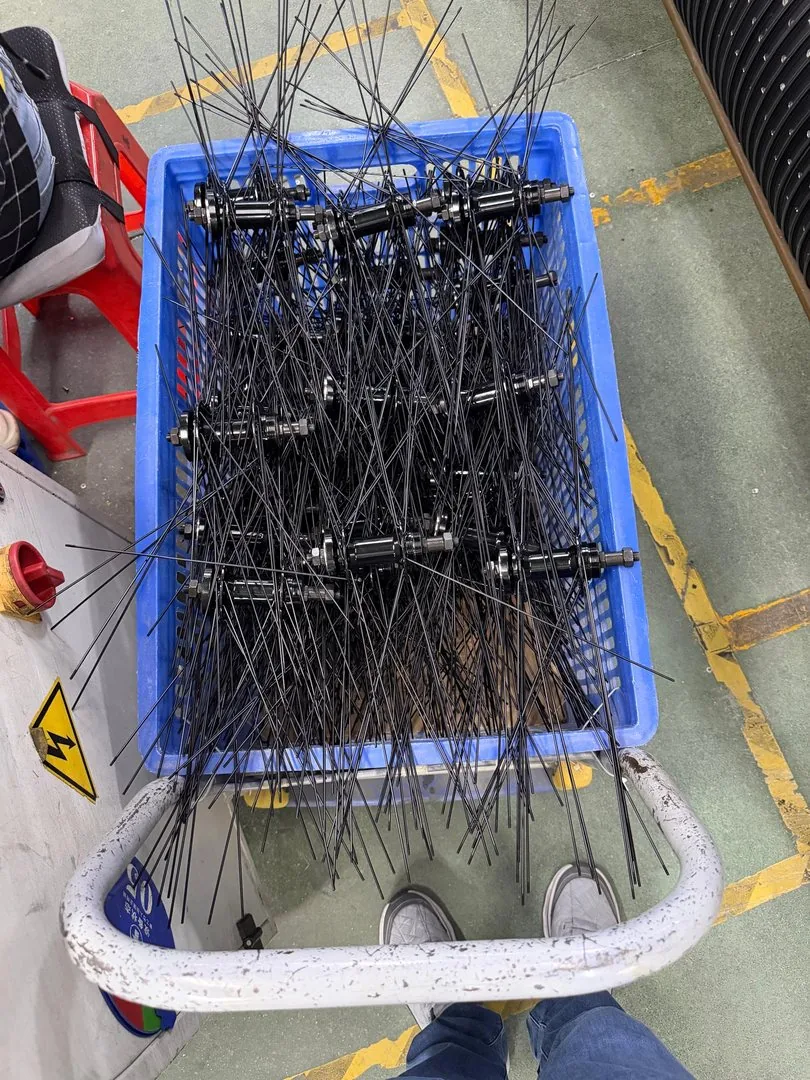
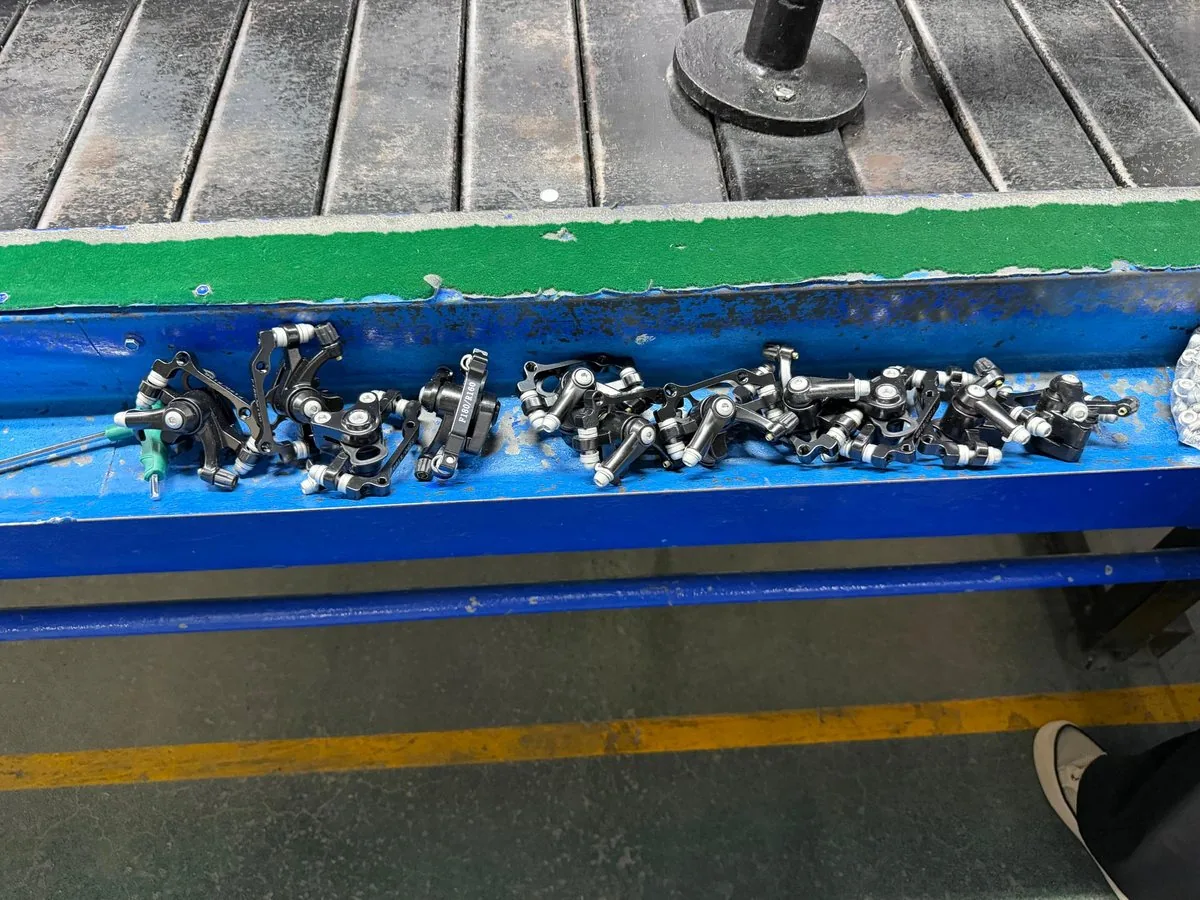
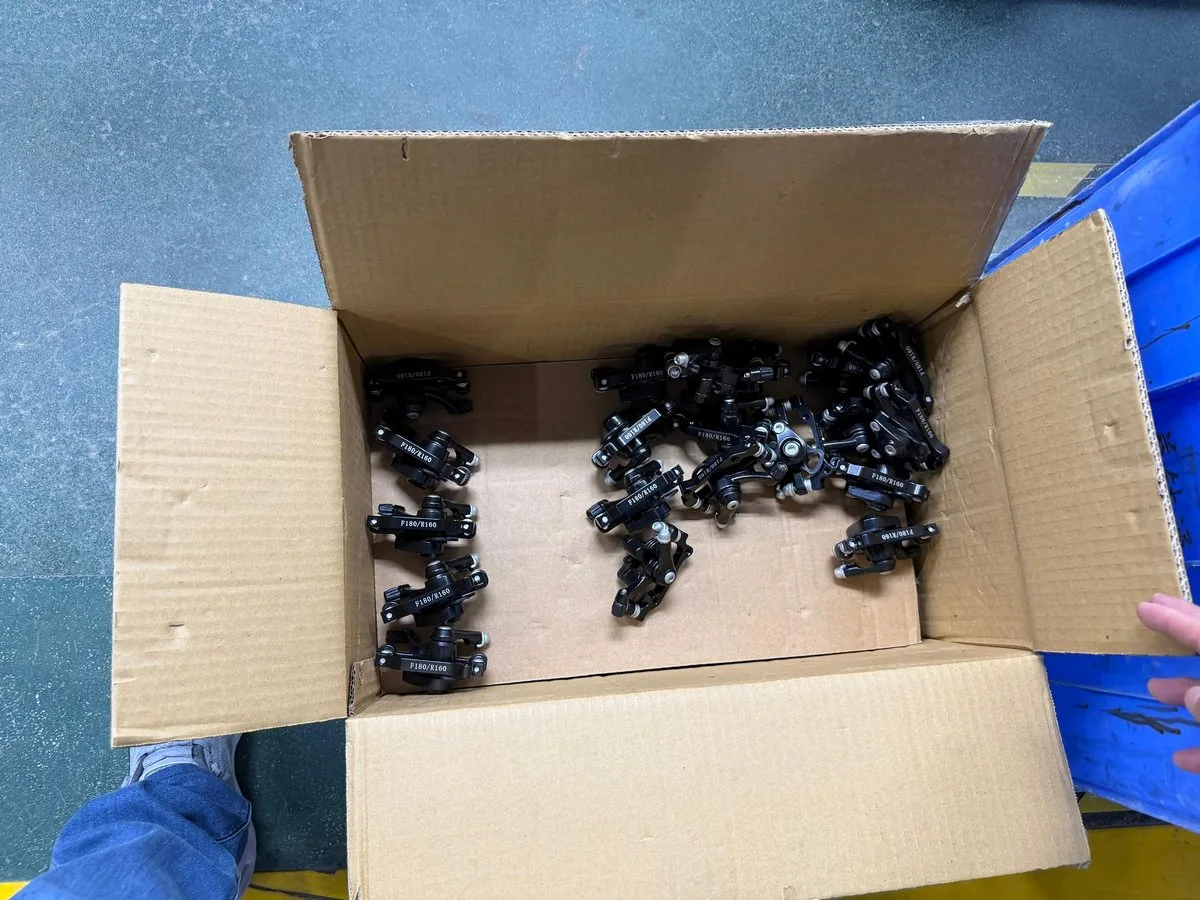
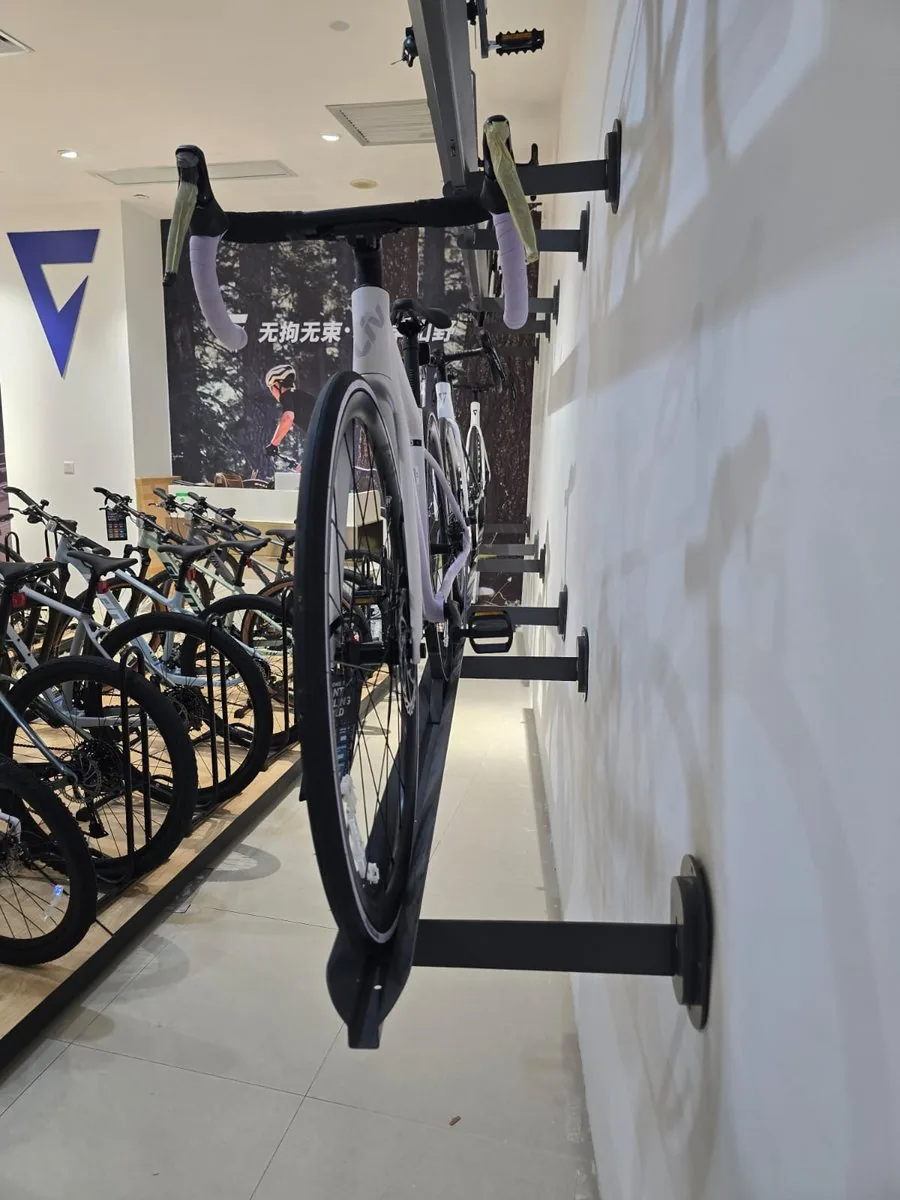
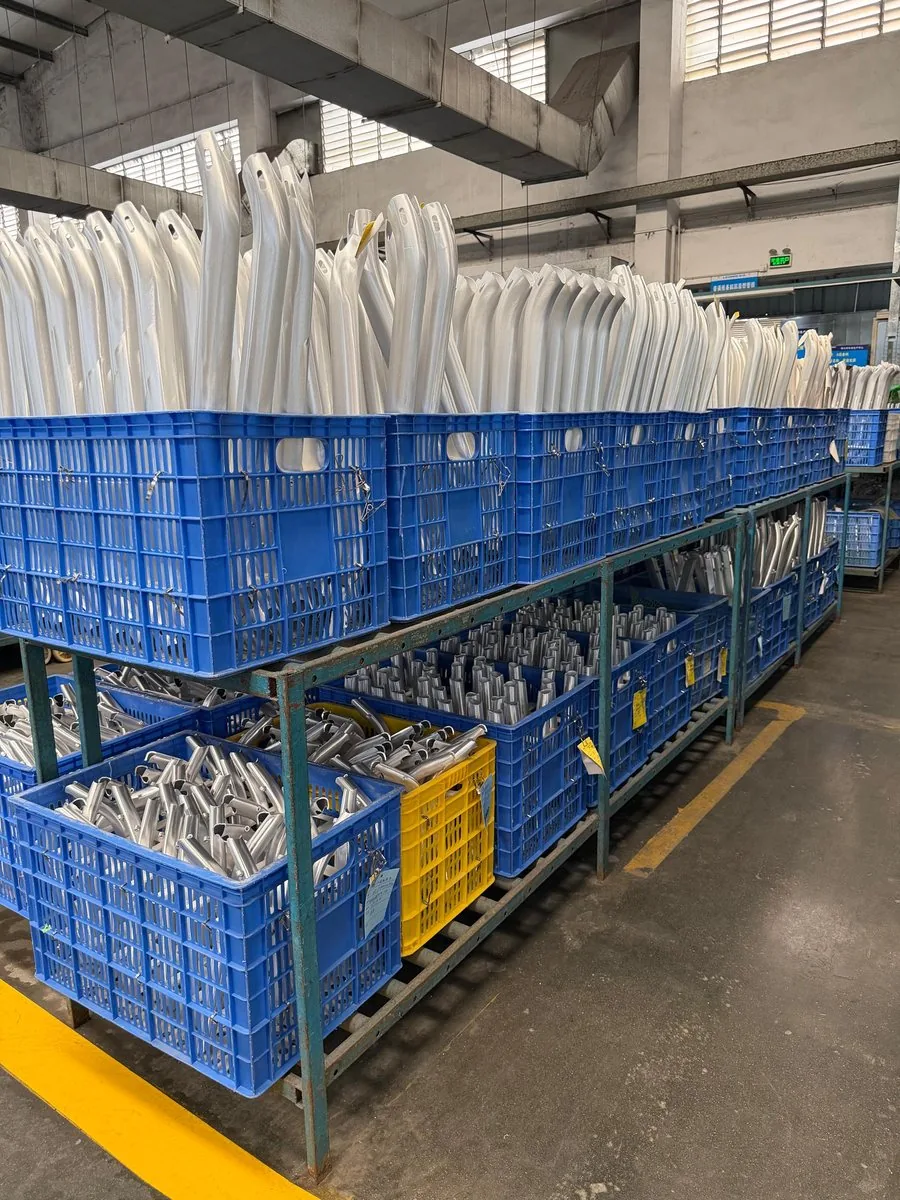
From Alshumul team visits
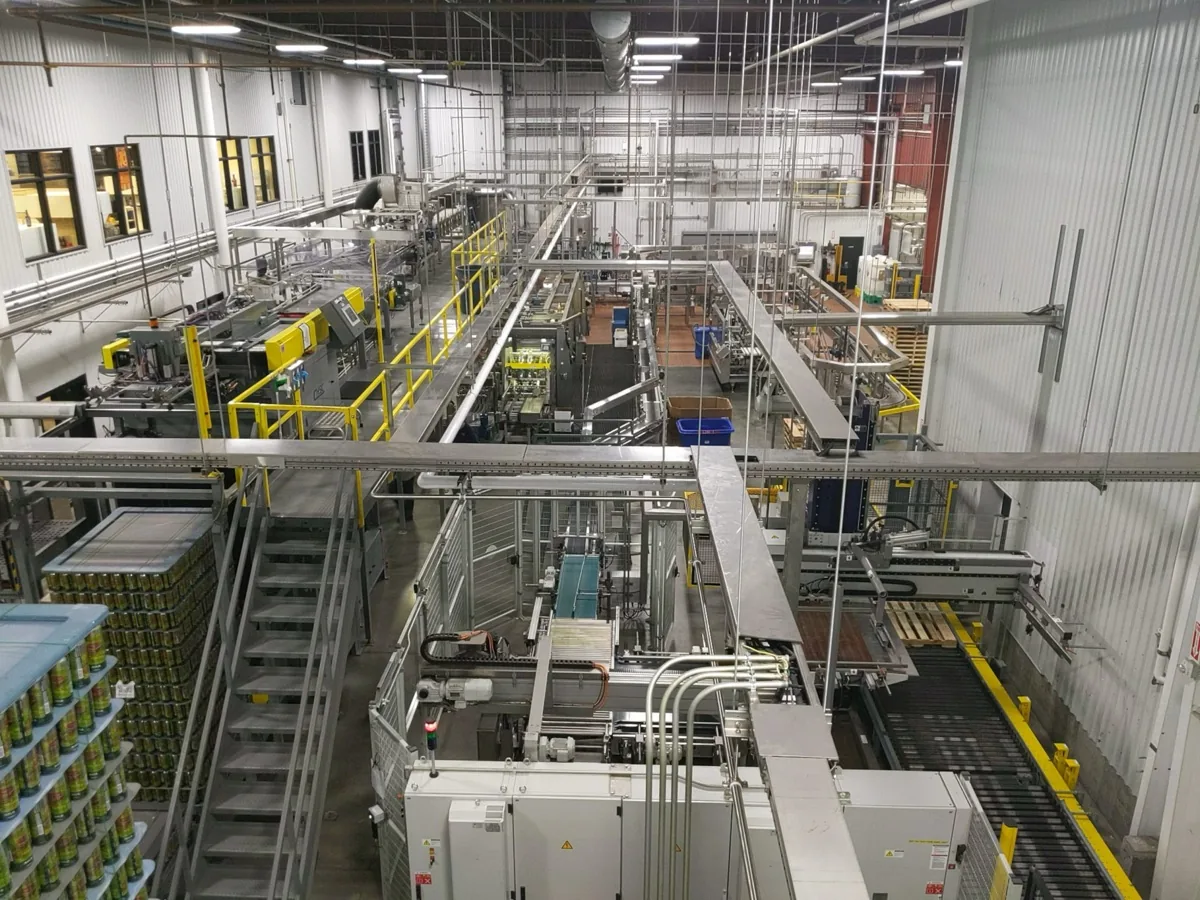
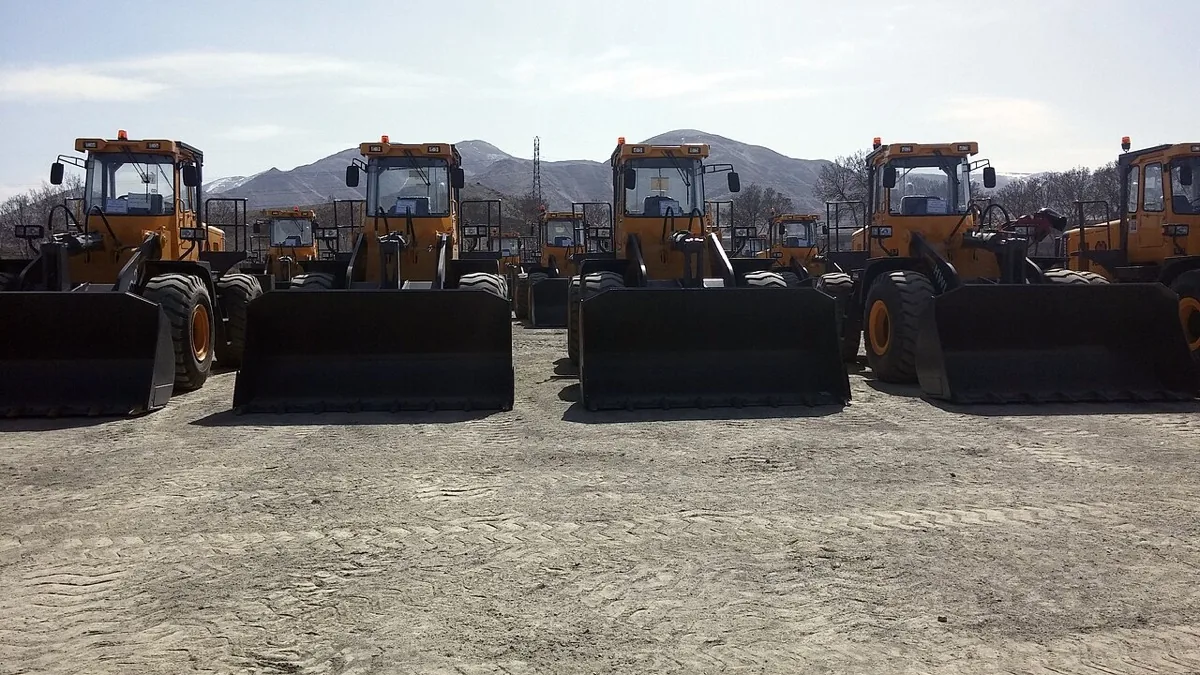
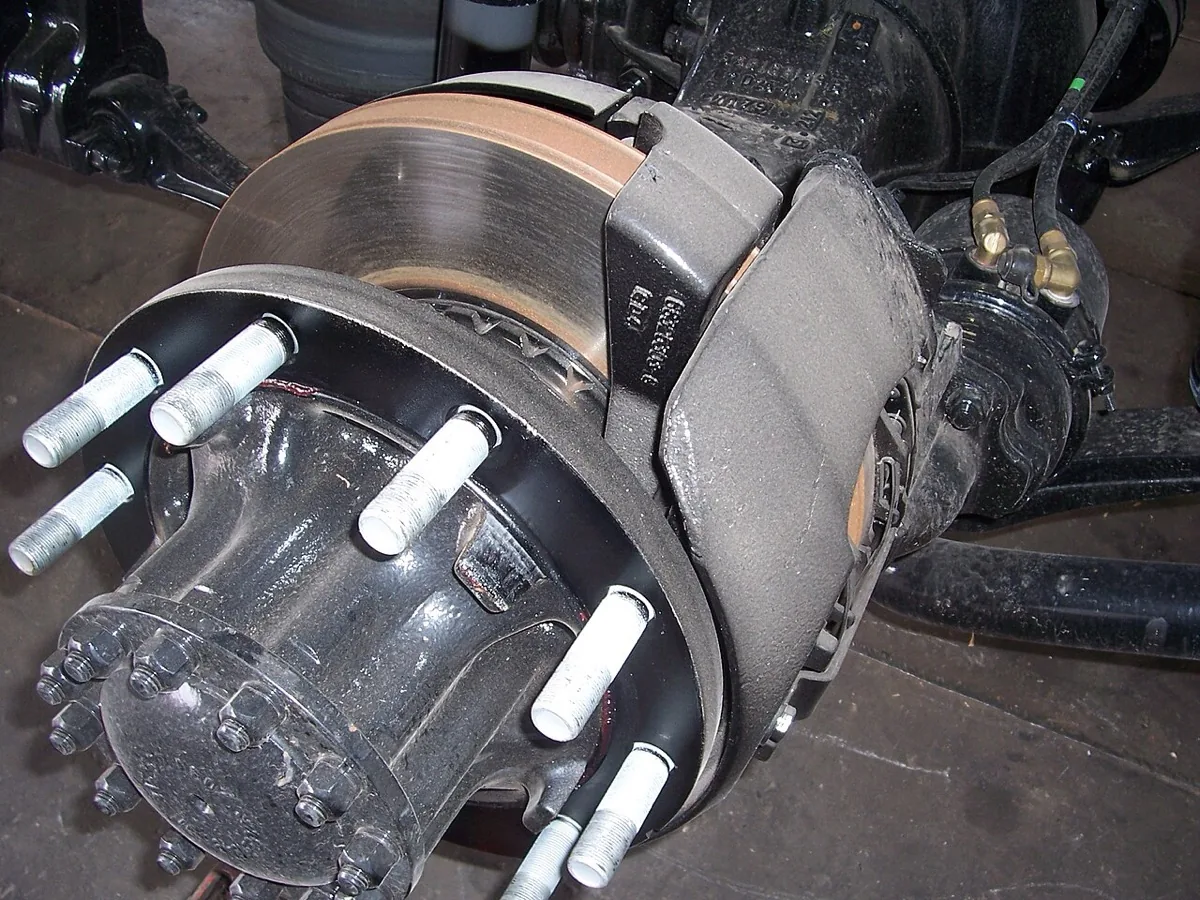
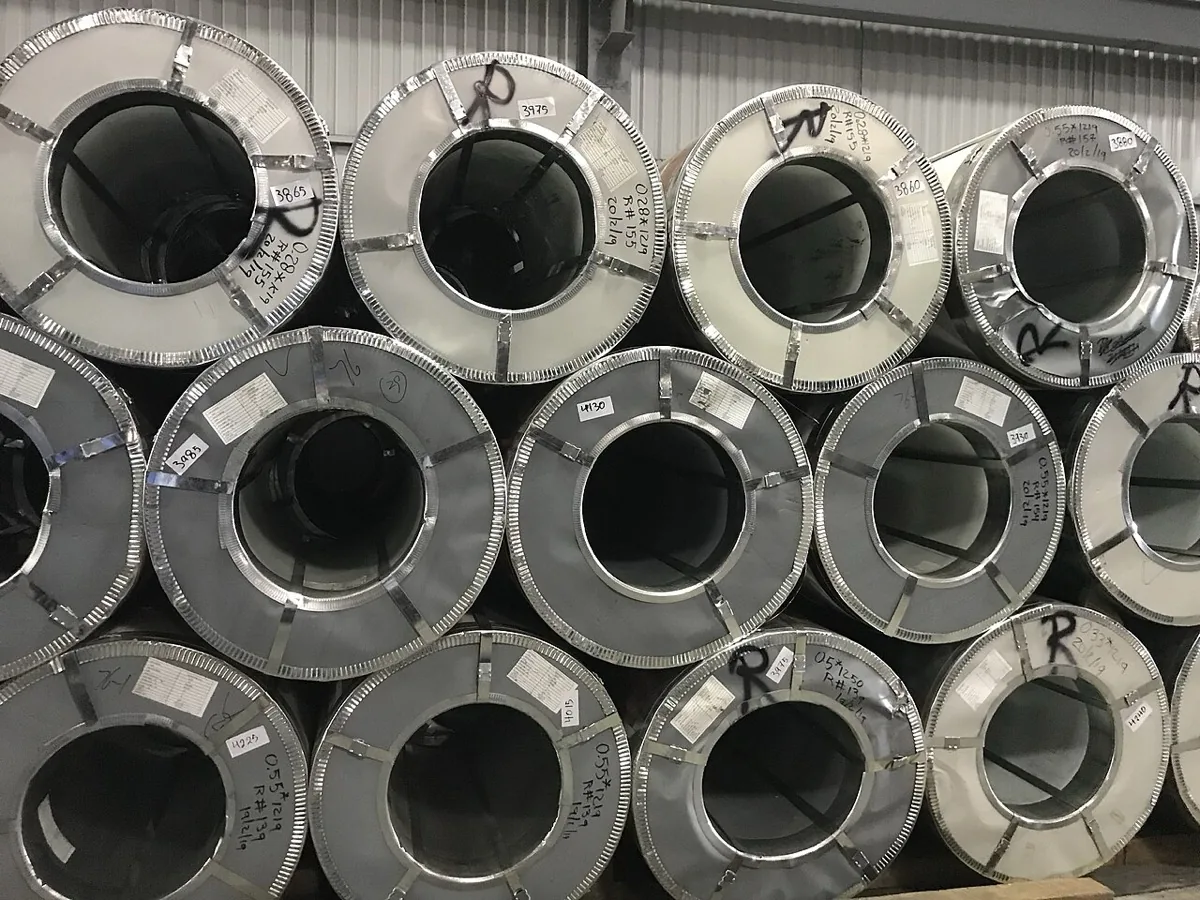
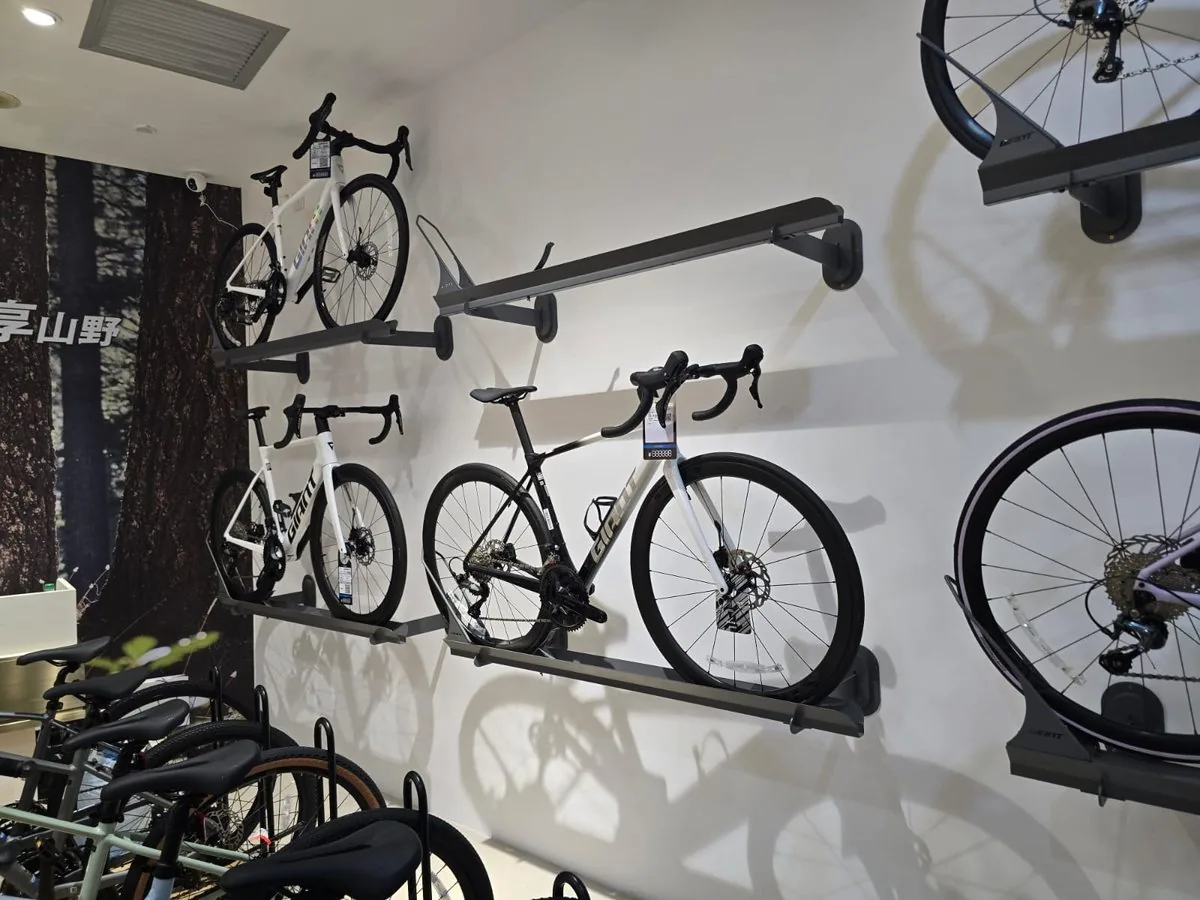
Photo: Alshumul team — Photos taken by our own team in China, not stock images.