Spare parts are unlike any other category in the way they are bought. The importer is not buying “an oil filter” but a specific oil filter that fits a specific engine, and a part that differs from it by two millimetres, or by a cut-off point within the production year, is worthless to their customer however well it is made. That is why this trade is built on numbers, not photos, and on an accurate cross-reference table, not an illustrated catalogue.
This page covers spare parts for cars and trucks, and spare parts for industrial machinery and heavy equipment. The conformity requirements for car parts in the Saudi market, the rule on tyre production dates and packaging labels are covered in detail in our guide to importing car spare parts into Saudi Arabia. Car accessories and styling products — lighting, window tinting and stickers — have their own guide. We do not repeat either of them here, and focus instead on what applies to the category as a whole.
Where are spare parts made in China?
There is no single hub for spare parts, but several, depending on the type of part and the vehicle or machine: Zhejiang for car parts, the cities of the Chinese truck manufacturers for truck parts, Quanzhou and Jining for heavy equipment parts, and Linqing, Wafangdian and Luoyang for bearings. Buying from the specialist hub means factories that have been making the same part for years, a supplier chain close at hand, and clearer price comparisons.
| Category | Main hubs | Note for importers |
|---|---|---|
| General car parts: filters, brakes, suspension, auto electrics and engine parts | Ruian, Yuhuan and Taizhou in Zhejiang, and Guangdong | Ruian is one of the largest clusters of car and motorcycle parts makers in China |
| Parts for Japanese and European car models | Guangdong, around the joint-venture car plants in Guangzhou, plus Shanghai and Changchun | Where the assembly plants are, their supplier chains are too |
| Chinese truck parts and diesel engines | Jinan and Weifang in Shandong, Xi'an in Shaanxi, Shiyan in Hubei, and Changchun in Jilin | The genuine part itself is made in China, so verifying the channel matters more than the country |
| Heavy equipment parts: undercarriage, bucket teeth and hydraulic components | Quanzhou (Fujian), Jining (Shandong) and Xuzhou (Jiangsu) | Quanzhou is one of the leading hubs for excavator and bulldozer undercarriage parts |
| Bearings | Linqing (Shandong), Wafangdian (Liaoning) and Luoyang (Henan) | Standard international designations make matching easier, and counterfeiting of global brands is common |
| Plastics machinery parts: screws and barrels | Zhoushan (Jintang) in Zhejiang | The material and surface treatment determine service life |
| Tyres | Shandong (Dongying and Qingdao) | Production dates are subject to a separate rule, which we explain in our car spare parts guide |
Guangzhou and other cities have large wholesale spare parts markets, which are useful for learning prices and seeing quality levels, but most of their shops are traders. We explain how to tell a factory from a trader in How to find a reliable supplier or factory in China.
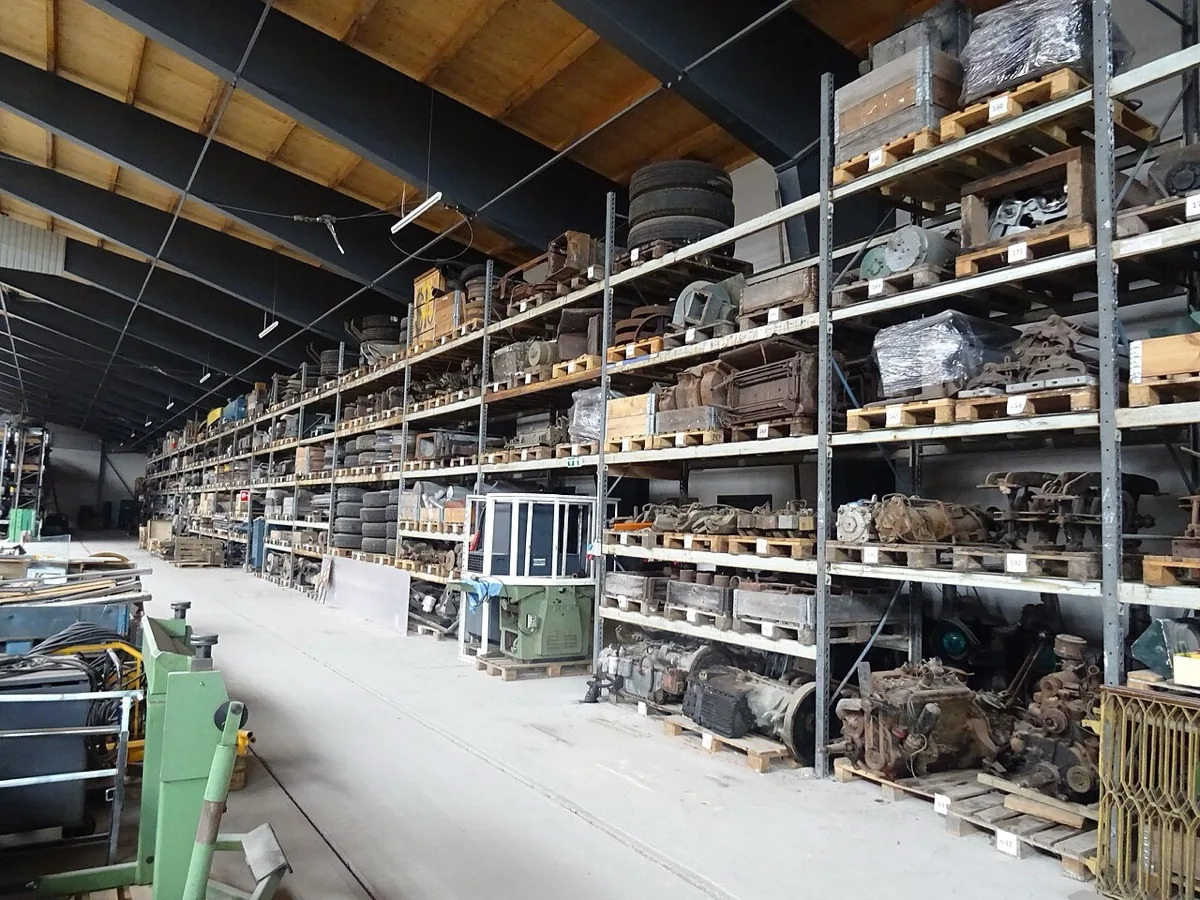
How do you match OEM numbers before buying?
You start from the original part number in the vehicle or machine manufacturer's catalogue, based on the chassis number or serial number; then build a cross-reference table that links it to aftermarket numbers and tracks any superseded numbers; then verify by measuring the critical dimensions, not by looking at a photo. This table is a spare parts trader's real capital, worth more than any stock.
| Equipment | What you need to identify the part | The common mistake |
|---|---|---|
| Passenger car | The chassis number (VIN), model year, engine code, transmission type and market specification | Buying by model and year alone |
| Truck | The chassis number, engine number and model, and the axle and transmission models | Ignoring that a single model is produced with different engines and axles |
| Heavy equipment | The model and full serial number, and the number stamped on the part | Ignoring changes in components between serial number ranges of the same model |
| Industrial machine | The nameplate, the part number in the machine's manual or drawing, and the material and dimensions | Ordering a part “like this one” from a photo, with no drawing and no material |
Then there are three points that trip up anyone who overlooks them:
- Superseded numbers (supersession): the manufacturer replaces a part number with a newer one when it modifies the part. An old number in your customer's order may correspond to a new number in the catalogue, and the two parts may be compatible in one direction only: the new one fits in place of the old one, not the other way round.
- Market specifications and cut-off points: the same model may differ between markets in its radiator, air conditioning and suspension, and it may change in the middle of a production year. The catalogue says “up to month X” and “from month X”, and your table must say so too.
- Critical dimensions: every part has three to five dimensions that decide whether it fits — hole diameter, the distance between hole centres, thread type and pitch, shaft length. They are written into the purchase order and measured during inspection.
A working cross-reference table contains, for each line item: your internal code, the OEM number, the superseded numbers, the equivalent numbers from other brands, the supplier's number, the vehicles or machines by model, year and engine, the critical dimensions, and a photo. Test-fitting a sample on an actual vehicle or machine before a large order complements the table but does not replace it.
What is the difference between genuine, OEM and aftermarket spare parts?
A genuine part is sold under the vehicle or machine manufacturer's brand, in its box and through its channel; an original equipment supplier (OES) part is made by the same supplier that supplies the manufacturer's production line, but is sold under the supplier's brand; and an aftermarket part is made by another company to a specification that fits the vehicle, under that company's own brand. In our car parts guide we divided parts by legality; here we set out the grades of the legitimate market and expose the trap in the terminology.
The trap is the word OEM itself. In many Chinese suppliers' quotations it does not mean “genuine” at all, but one of three things: that the part is made to replace the OEM number listed, that the factory will print your brand (an OEM service), or that it is “of genuine quality” on the supplier's word alone. So when you read “OEM quality” or “OEM No.” in a quotation, you are looking at an aftermarket part until channel documents prove otherwise.
| Grade | What it is | Status | How to verify |
|---|---|---|---|
| Genuine | Under the vehicle or machine manufacturer's brand and in its box | Legitimate through its authorised channel; the manufacturer's box from an unauthorised source is a warning sign | The authorised distributor's invoice and the verification tools the manufacturer provides |
| Original equipment supplier (OES) | From the supplier that supplies the manufacturer's production line, under the supplier's brand | Legitimate, with quality equal or close to genuine | The supplier's brand and its official channel |
| Branded aftermarket | From another company under its own brand, to a specification that fits the vehicle | Legitimate, with quality in varying grades | Test reports, quality management system certification, and inspection |
| Unbranded aftermarket, or under your brand | Made to the original part number and sold unbranded or under the importer's brand | Legitimate as long as it carries no one else's brand | The written specification, measurement and test-fitting |
| Remanufactured | A used part that has been remanufactured, such as an alternator, starter motor or turbocharger | Some markets restrict used parts or require them to be disclosed | The destination country's rules first, then the remanufacturing standard and the warranty |
| Counterfeit | Carries the vehicle manufacturer's brand, a well-known aftermarket brand or its packaging without permission | An infringement that ends in seizure and destruction, with the importer held accountable | Reject it |
Stating an OEM number on the invoice or on the box of an aftermarket part to show compatibility is common in the trade, unlike using the vehicle manufacturer's logo or the look of its box, which is imitation. Where the line falls varies between markets, so for your specific case the reference point is a lawyer specialising in trademarks. To build a parts line under your own brand and protect it, see Protecting your brand when manufacturing in China.
With parts for Chinese trucks and equipment in particular, there is an advantage and a trap at the same time. The advantage is that the genuine part itself is made in China and can be obtained through the manufacturer's channel; the trap is that many offers labelled “genuine” are aftermarket parts in counterfeit boxes. So here, what you verify is the channel, not the country of origin.
What specifications go into a spare parts order?
For each line item: its number and the corresponding numbers, the material and its grade, the heat and surface treatment, the critical dimensions with their tolerances, and the marking on the part and the box. Of two parts that look identical, one may last ten times as long as the other because of a material or treatment you cannot see.
- Material and treatment: the steel grade for gears and shafts, the cast iron grade for brake discs and drums, the required hardness and hardening method, and anti-rust surface treatment. For machinery parts, ask for a type 3.1 material certificate under EN 10204.
- Brake pads: the friction coefficient, and freedom from asbestos, backed by a test report, because many markets ban asbestos and cheap pads may contain it.
- Bearings: the full international designation with its suffixes — seal type, internal clearance and grease — because two bearings with the same basic number can differ in the suffix.
- Filters: filtration rating, bypass valve opening pressure, and an anti-drain-back valve where required.
- Rubber parts: seals, belts and hoses age in storage, so require a recent production date printed on them.
- Marking and packaging: the part number and batch code on the part itself where possible, an individual box with a barcode label for each line item, and anti-rust paper or bags for exposed metal parts. See Packaging, labelling and barcodes.
At factories, look for IATF 16949 automotive quality management system certification for vehicle parts; it is an indicator of process discipline, not of the quality of every part. Some parts need specific approvals in particular markets, such as approval of replacement brake pads under ECE R90 in the markets that apply it. The exact requirement depends on how the part is classified and on the destination country, and it should be checked before ordering — for the Gulf schemes, see Product certifications for import.
Should you buy spare parts from a factory or a trading company?
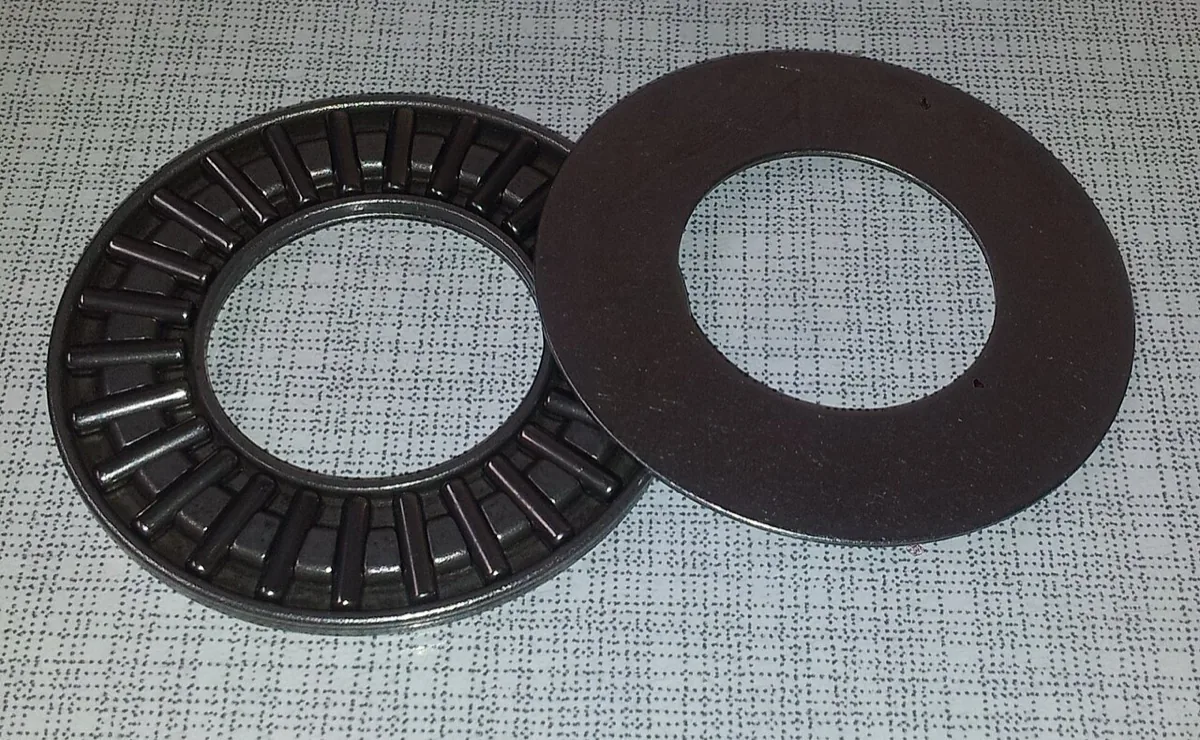
From the factory for high-volume, high-value line items, and from a verified trading company for a wide assortment of small, scattered line items — this is one of the few areas where a trading company is a legitimate, practical choice rather than a drawback. A typical spare parts order may include two hundred line items, each in a small quantity, while each specialist factory makes perhaps ten of them and sets a minimum for each item. A trading company with a broad catalogue brings all of this together from dozens of factories.
But a trading company comes at a price you should be aware of: an extra margin, quality that changes when it switches sources without telling you, and weaker accountability for defects. The balanced approach: large and critical items directly from their factories after verification, and the assortment from a trading company that knows its sources for the main items. To negotiate the minimum for each item, see Minimum order quantity and how to negotiate it.
How are spare parts shipped?
Metal spare parts are heavy and dense and reach the weight limit before the volume limit, so a 20-foot container usually suits them; rubber and plastic parts and body parts, by contrast, reach the volume limit first. The point many people miss: a 40-foot container does not actually carry more weight than a 20-foot one — slightly less, in fact, because of its own empty weight — so shipping brake discs, bearings and gears in one means paying for space that will not be used.
| Type of parts | Limit reached first | Usually suitable container | Note |
|---|---|---|---|
| Brake discs and drums, bearings, gears and metal engine parts | Weight | 20-foot, which may fill up by weight before it fills up by volume | Road weight limits in the destination country may be lower than the container's payload |
| Undercarriage parts for heavy equipment | Weight | 20-foot, on secured pallets or in crates | Secure them well, because a heavy part that shifts damages the container and everything around it |
| Filters and rubber parts | Volume | 40-foot high cube, or groupage for small quantities | Protect them from heat and humidity |
| Bumpers, body parts and radiators | Volume | 40-foot high cube | Their paint and shape are easily damaged, and the packaging determines the damage rate |
| A mixed shipment of many line items | Depends on the mix | Calculated on weight and volume together | Heavy items on the floor, with the weight spread along the length of the container |
The figures and containers here are for guidance, not for contracts. Some points specific to this category:
- Some spare parts are dangerous goods: flooded lead-acid car batteries are Class 8 (non-spillable sealed batteries may be exempt under certain conditions), airbag modules and seatbelt pretensioners are Class 9, and some fluids, such as brake fluid and engine coolants, need a safety data sheet and an assessment. Give the full list of line items to the freight forwarder before booking so that they can sort out what needs a declaration, because a single undeclared item holds up the whole container.
- Rust is the enemy of metal parts at sea: anti-rust oil, anti-corrosion paper or bags, moisture absorbers and sealed packaging, because condensation inside the container on a long voyage rusts an exposed part before it arrives.
- An item-by-item packing list: the part number, description, quantity, weight and carton number for each line item, and a label on every carton. Parts are classified for customs by their function, not under a general heading of “spare parts” — vehicle parts, engine parts, filters, bearings and construction equipment parts each fall under their own HS code — and a lump-sum declaration holds up release. The exact classification is settled by your customs broker in the destination country; for the general basics, see Import documents and customs clearance.
- Small orders from several suppliers: these are consolidated in China through a specialist consolidator and shipped as one shipment instead of several small ones. See our guide to LCL groupage shipping, and to weigh this against a full container load, the FCL vs LCL guide.
What are the most common risks in importing spare parts, and how do you avoid them?
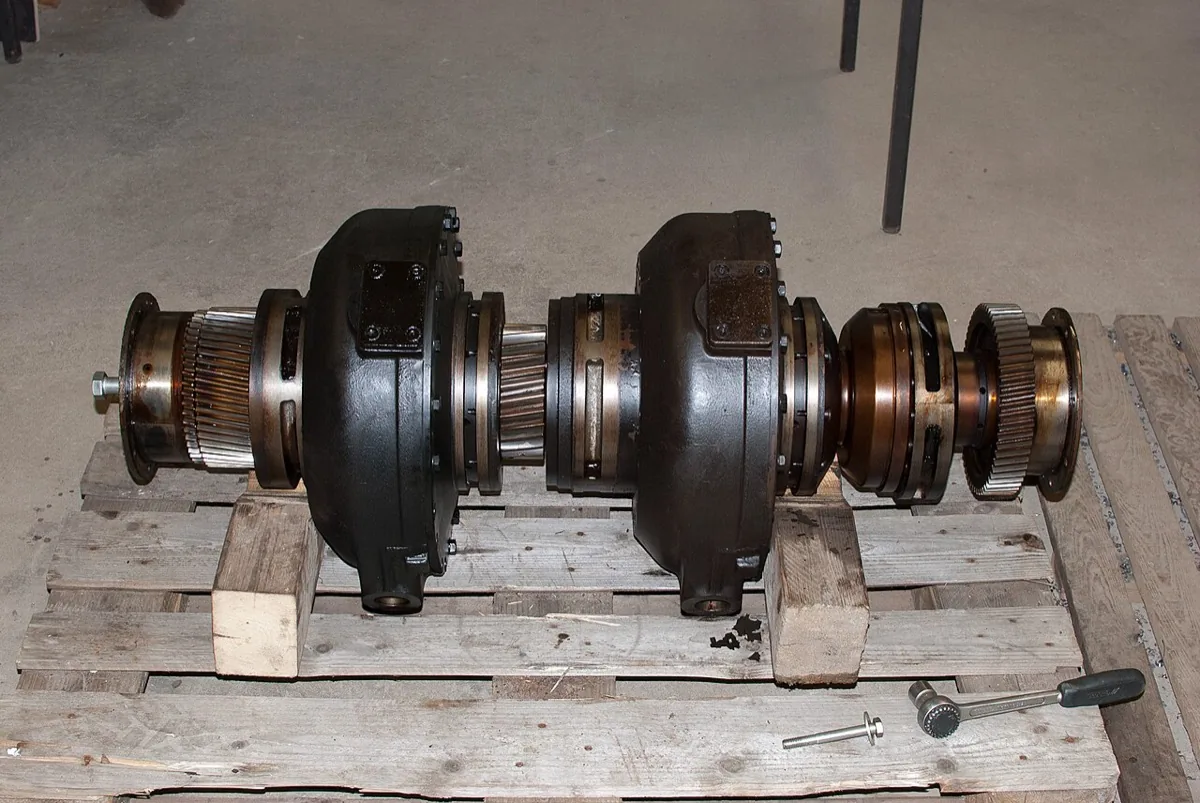
The costliest is parts that do not match, the most dangerous is counterfeits, and the hardest to spot is quality changing between batches. These are the ones that come up most often:
- A part that does not fit: an untracked superseded number, a cut-off point within a production year, or a different market specification. The solution is a cross-reference table and measured critical dimensions.
- “Genuine” parts in counterfeit boxes: a price far below that of the authorised channel is the first warning sign. Do not accept them without channel documents.
- Quality changing between batches: an excellent sample and a weaker third batch, especially when the supplier changes its material source. Lock in a sealed reference sample and a batch code on every part, and inspect every shipment, not just the first one.
- Old stock: aged rubber, batteries that have lost their charge, and tyres past the date limit. Require production dates and check them during inspection.
- A slow-moving assortment: import what sells in your market for the vehicles and equipment actually common there, not what the supplier's catalogue happens to offer.
How do you import spare parts from China?
- Start with demand in your market: the fastest-moving parts for the vehicles, equipment and machines common in your country.
- Build the cross-reference table: OEM number, superseded numbers, equivalents, applications and critical dimensions.
- Check the destination country's requirements for each category of parts before ordering.
- Choose and verify suppliers: factories for large and critical items, and a trading company that knows its sources for the wide assortment.
- Evaluate the samples: measure the critical dimensions, check the material and marking, and test-fit on an actual vehicle or machine.
- Write the purchase order item by item: number, material and treatment, brand and packaging, marking and barcode, and quantity.
- Monitor production and inspect before shipment: dimensions, marking and numbers on the parts and boxes, and quantities for each item. See Pre-shipment inspection and AQL standards.
- Arrange shipping: sort out the dangerous goods, spread the weight, and choose the container by weight, not by volume alone.
- Review the documents before sailing: the invoice and the itemised packing list must match word for word.
Alshumul's role in importing spare parts for vehicles and machinery
Alshumul Commercial Services is an import and export company based in Guangzhou. Spare parts are a category in which the Chinese side accounts for half of success: a part measured before shipment, a number matched before packing, and a dangerous item identified before booking. What we handle:
- Sourcing and verifying factories in the specialist hubs for each category, telling a factory apart from a trader, and checking a trading company's sources when it is the practical choice for a wide assortment.
- Factory audits and visits.
- Requesting and following up samples, and checking them against the part numbers and critical dimensions you provide.
- Negotiating directly with the factory in Chinese on specification, material, marking, price and the minimum for each item.
- Production monitoring and pre-shipment inspection: critical dimensions, marking and part numbers on the parts and boxes, quantities item by item, and anti-rust packaging.
- Arranging shipping — full container load or groupage — through shipping lines and consolidators, arranging for items from several suppliers to be consolidated by a specialist consolidator, and handing the list of items to the freight forwarder to identify what needs a dangerous goods declaration.
- Reviewing documents before sailing, particularly the itemised packing list, and following up until the port of discharge.
We are clear about what we do not offer: we do not handle customs clearance or final customs classification inside the destination country; we do not give legal advice on how far brands and part numbers may be used (that is for a specialist lawyer); and we do not arrange the purchase or shipping of counterfeit parts in any form. For spare parts for production lines when you first buy them, see the Machinery and Production Lines page, and to calculate your full landed cost, see The real cost of importing from China.