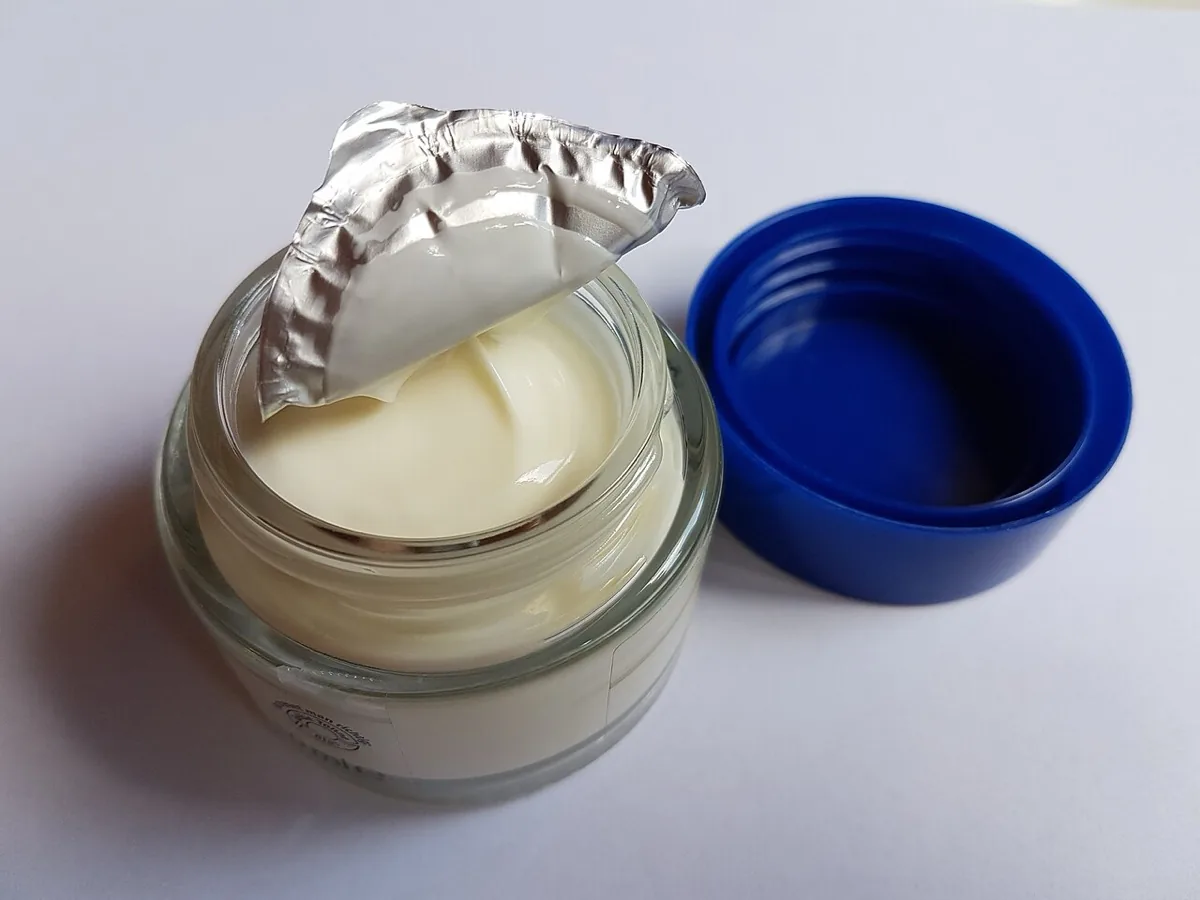
Skincare products — moisturising creams, serums, sunscreens, facial cleansers and masks — are among the goods most often made in China under importers' brands, and one of the fastest-growing categories in the Gulf and Middle East markets. But they are cosmetics applied to the skin every day, so in most markets they are subject to mandatory registration or notification before sale, to lists of banned and restricted ingredients, and to labelling and shelf-life requirements. A shipment that arrives before its regulatory file is complete has no route to the shelf.
This page is a general reference for importing skincare products from China: where they are made, how contract manufacturing works, what to check in the formulation, and how they are shipped. The regulatory pathway for the Saudi market specifically — establishment registration, product notification, consignment release and the Arabic label — is covered in detail in importing cosmetics from China to Saudi Arabia, so we will not repeat it here.
Where are skincare products made in China?
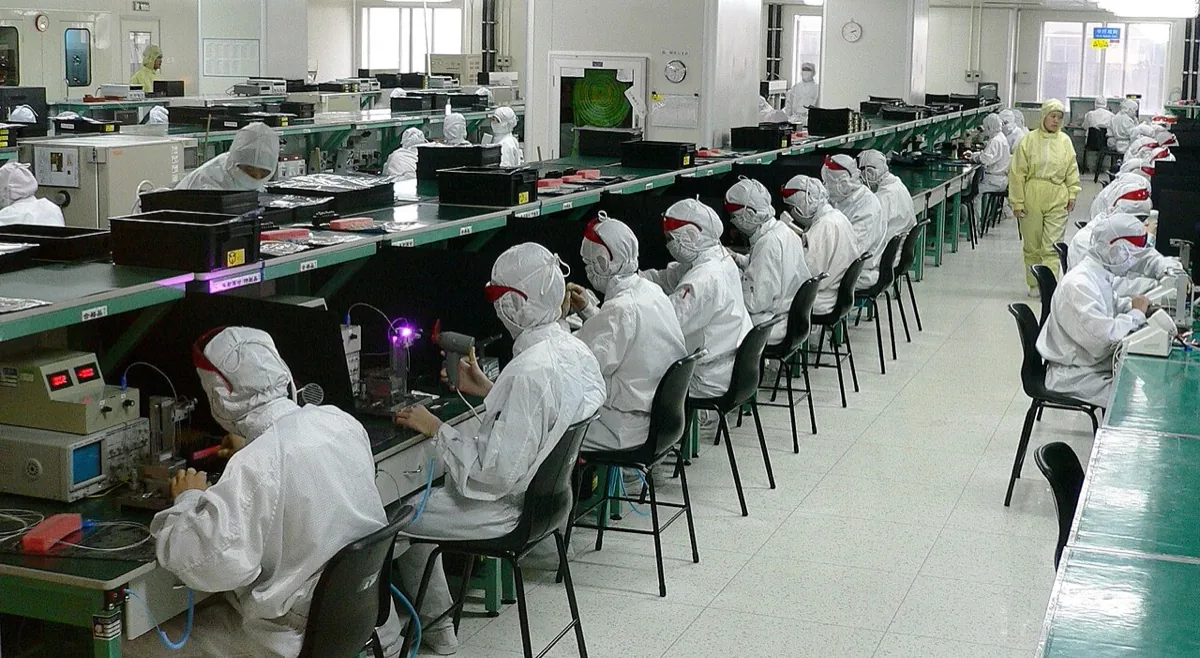
China's largest cluster of cosmetics factories is in Guangzhou, especially the Baiyun district, which brings together thousands of factories and suppliers of raw materials and packaging in one area. It is followed by Shantou in Guangdong, and then by Shanghai, Zhejiang and Jiangsu, where larger factories serve higher-priced brands with more mature quality systems and higher minimum order quantities. Yuyao and Ningbo in Zhejiang have a well-known cluster for packaging pumps and sprayers.
A factory's proximity to packaging suppliers in Guangzhou is a real practical advantage: developing a bottle with a pump, label and outer box takes weeks, not months. But the density of the cluster also means many middlemen: trading companies presenting a "factory" while handing the formulation to another factory. The first thing to verify is the cosmetics production licence issued to the factory in China, and that the address on it is the actual production site.
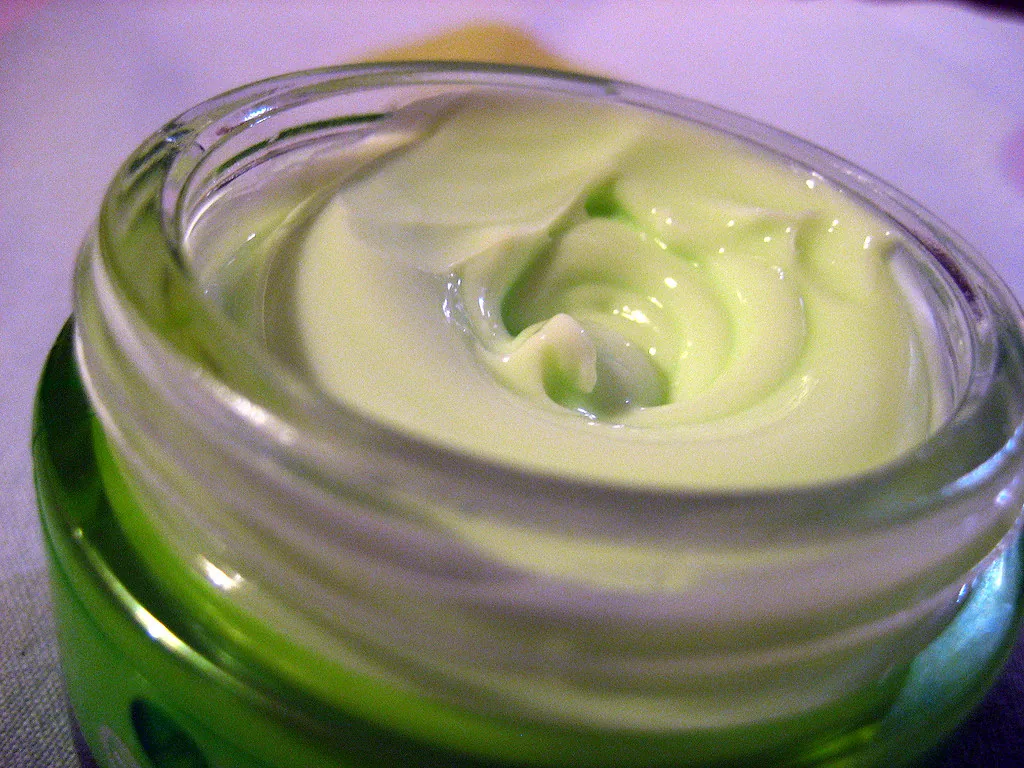
How do OEM and ODM contract manufacturing work for skincare products?
Under ODM, the factory develops the formulation, or offers a ready-made one, and fills it under your brand; under OEM, the factory produces a formulation that you own. The essential difference lies in who owns the formulation and who is responsible for its file. Most importers start with the first model because it is faster and cheaper, and then discover that the formulation they built their brand on does not belong to them.
- Formulation ownership: agree in writing who owns it, whether the factory may sell it to others, and whether you can move it to another factory. See protecting trademarks and intellectual property.
- Minimum order quantity is usually set per item and per pack, and suppliers of printed packaging may impose a higher minimum than the factory itself. See minimum order quantity and how to negotiate it.
- Formulation documents: the full list of INCI names with the percentage of each ingredient, certificates of analysis for the raw materials, and their safety data sheets — because the registration file in the destination country is built on them.
- Tests: stability, packaging compatibility, preservative efficacy, microbiological testing and heavy metals.
For the general framework of private label and its models, see private label, OEM and ODM.
Why might an ingredient permitted in China be banned in your market?
Because each market sets its own lists of banned and restricted ingredients and their concentration limits, and the lists do not match between China, the European Union, the United States and the Gulf states. A Chinese factory usually works to its own country's lists, so unless you explicitly ask it to comply with the destination country's regulations, it may use an ingredient that is legal there and banned in your market.
This caveat is explicit, not theoretical: the UV filters permitted in sunscreens differ between markets; the limits for some active ingredients, such as vitamin A derivatives and exfoliating acids, differ by market and product type; and some preservatives are restricted to lower concentrations in some markets than in others. Strong lightening agents such as hydroquinone and mercury compounds, and cortisone in "cosmetic" creams, are banned in cosmetics in many markets, and their presence is a frequent cause of rejection. The rule: check the full formulation against the regulations in force in the destination country before production, and do not settle for the phrase "compliant with international standards".
What are the registration requirements in the main markets?
Most markets require product registration or notification before sale, with a responsible party inside the market, but the model differs from one market to another. The table below is for guidance, not for contracts, because requirements are updated and verification comes before production:
| Market | Authority or framework | General model |
|---|---|---|
| Saudi Arabia | Saudi Food and Drug Authority (SFDA) | Registration of the importing establishment, electronic notification for each product, then release of the consignment on arrival |
| United Arab Emirates and other Gulf states | The competent authorities in each country | Product registration before sale, with requirements and platforms that differ from country to country |
| European Union | EU Cosmetics Regulation | A responsible person inside the EU, a product information file and safety assessment, and notification through the EU portal |
| United States | Food and Drug Administration (FDA) | Facility registration and product listing under the recent legislative update; sunscreens are treated as drugs, not cosmetics |
In all these markets, registration is the responsibility of the importer or the responsible party inside the market, not of the Chinese factory. But the factory holds the documents the file is built on, so they are requested from it before production, not after.
Which claims can move a product from cosmetic to medicine?
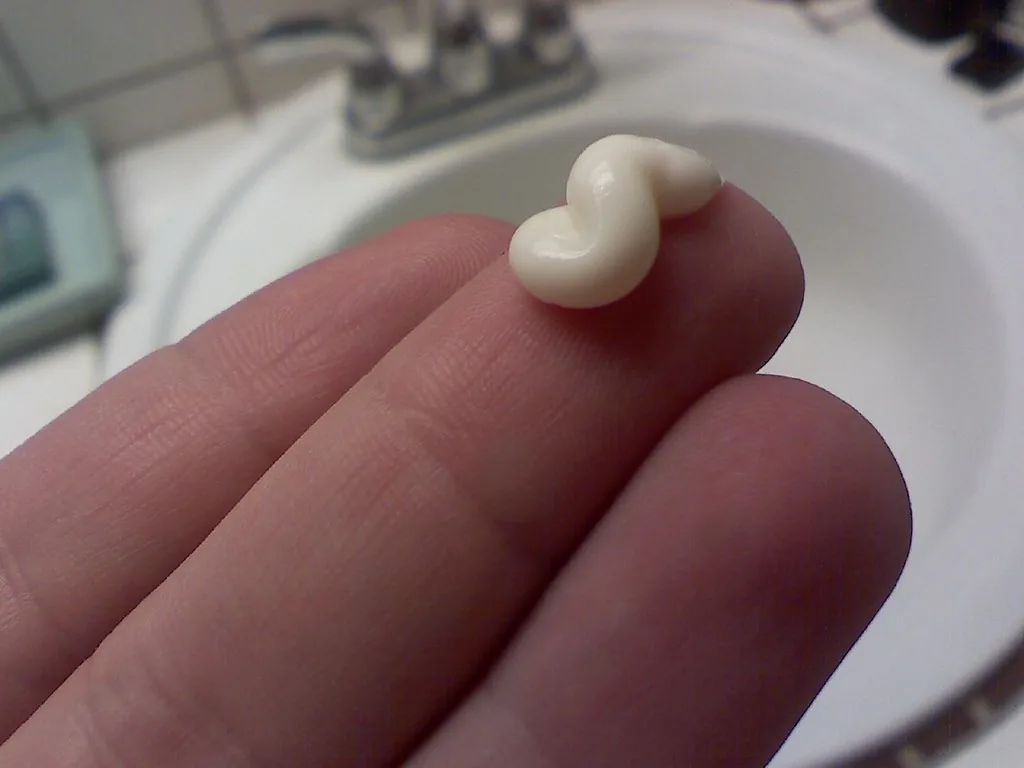
Any claim to treat a condition or change how the skin functions — such as treating acne or eczema, or removing pathological pigmentation — can, in many markets, move a product from the cosmetics category into medicines or into products subject to stricter registration. By definition, a cosmetic cleans, beautifies, moisturises and protects; it does not treat.
- Sunscreens are treated as drugs in the United States, and in other markets they have specific requirements for measuring and labelling the sun protection factor (SPF).
- "Lightening" and "whitening" products have their ingredients and claims reviewed with particular scrutiny in most markets.
- Words such as "medical", "therapeutic" or "doctor-approved" on the pack may be enough on their own for the product to be reclassified or rejected.
So write the packaging and marketing copy after the classification has been checked, not before, and do not leave the wording to the factory.
Which specifications should be agreed in writing with a cosmetics factory?
The contract should set out the approved formulation with its ingredient names and percentages, the reference sample, the required test results, the packaging, and the production and expiry dates. The clauses:
- The approved formulation, and the factory's undertaking not to change any ingredient or raw material supplier without written approval.
- A sealed reference sample defining colour, fragrance, texture, pH and viscosity.
- Tests: stability over a set period and at set temperatures, packaging compatibility, microbiology, heavy metals, and SPF for sunscreens from an accepted laboratory.
- Shelf life and the minimum remaining at shipment, with the lot number and the production and expiry dates printed on the pack itself.
- Packaging: material, seal tightness, pump accuracy and net quantity, and the labelling text in the destination country's language. See packaging, labelling and barcode requirements.
How are skincare products shipped from China?
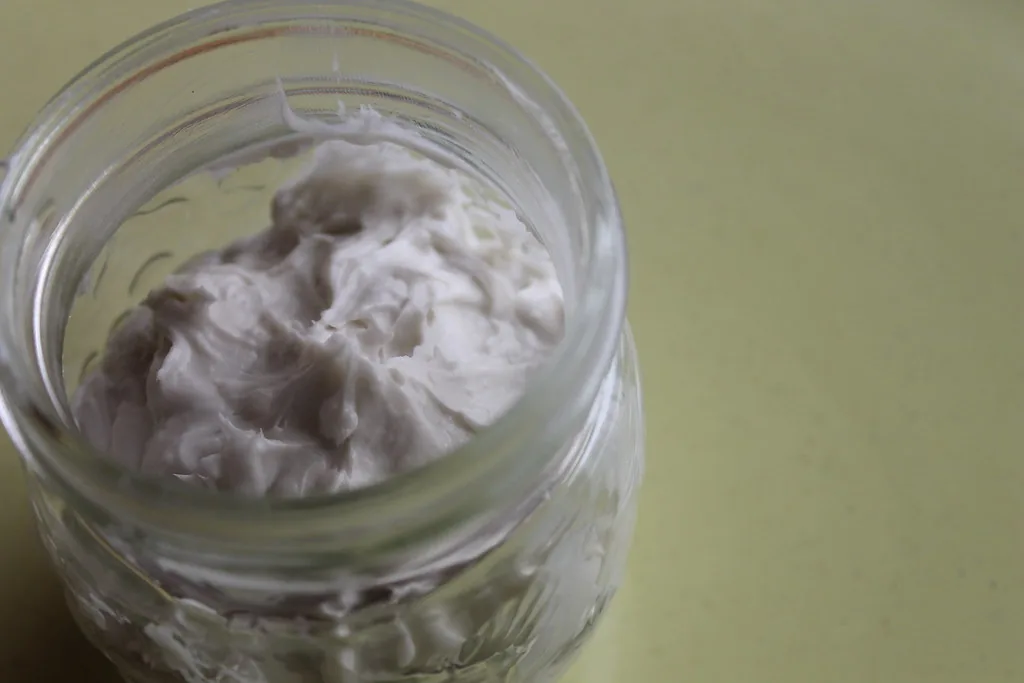
They are usually shipped by sea, in containers or as groupage, with protection from high temperatures that can ruin emulsions, and with a correct declaration for any alcohol-based or aerosol product, because it may be classed as dangerous goods. A cream whose texture separates in a container that went above 50 °C is damaged goods, even if its packaging survived intact.
- Heat: avoid goods sitting in ports for long periods in summer, and sensitive formulations may need a refrigerated container. Ask the factory what temperature range the stability was tested at.
- Alcohol-based and spray products — such as high-alcohol toners and spray sunscreens — may be classed as flammable or as pressurised containers, so they need a safety data sheet and a special declaration.
- Glass packaging is heavy and fragile, while plastic packaging is light and reaches the volume limit first.
- The first samples are usually sent by express courier, after checking the courier's restrictions on liquid products.
How do you import skincare products from China?
- Define the market and the regulatory pathway for the product and its claims before looking for a factory.
- Look for a licensed factory, verify its production licence and actual site, and audit it. See factory audit.
- Choose the model — a ready-made formulation or one you own — and agree its ownership in writing.
- Request the full formulation with INCI names and percentages, and check it against the destination country's regulations.
- Request samples and approve a sealed reference sample.
- Carry out the required tests and gather the documents for the file.
- Complete registration or notification in the destination country before full production.
- Design the packaging and its text, and approve a proof of the printed pack before the full print run.
- Follow production and inspect before shipping: dates, lot numbers, net quantity and seal tightness. See pre-shipment inspection.
- Arrange shipping with heat protection and a correct declaration, and review the documents before sailing.
Alshumul's role in importing skincare products
Alshumul Commercial Services is an import and export company based in Guangzhou, the same city that is home to China's largest cluster of cosmetics factories. In this category, we put the document before the sample, and the formulation before the packaging. What we handle:
- Finding and verifying cosmetics factories: the production licence, the actual site, telling factories from trading companies, and visiting and auditing the factory.
- Requesting the full formulation and its documents from the factory — with INCI names, percentages and test reports — and handing them to you to review with the competent authority in your country.
- Requesting and following up samples, and negotiating directly with the factory in Chinese on the formulation and its ownership, packaging, minimum order quantity and price.
- Production follow-up and pre-shipment inspection: matching the reference sample, dates and lot numbers, seal tightness and net quantity.
- Arranging shipping as a full container load or groupage through shipping lines and consolidators, taking account of heat and of declaring alcohol-based and aerosol products, reviewing documents before sailing, and following up until the port of discharge.
To be clear: we do not provide registration with the Saudi Food and Drug Authority or any other authority, product safety assessment, regulatory or legal advice, or customs clearance in the destination country. But we work to make sure the documents your file needs come out of China, together with goods that match those documents.