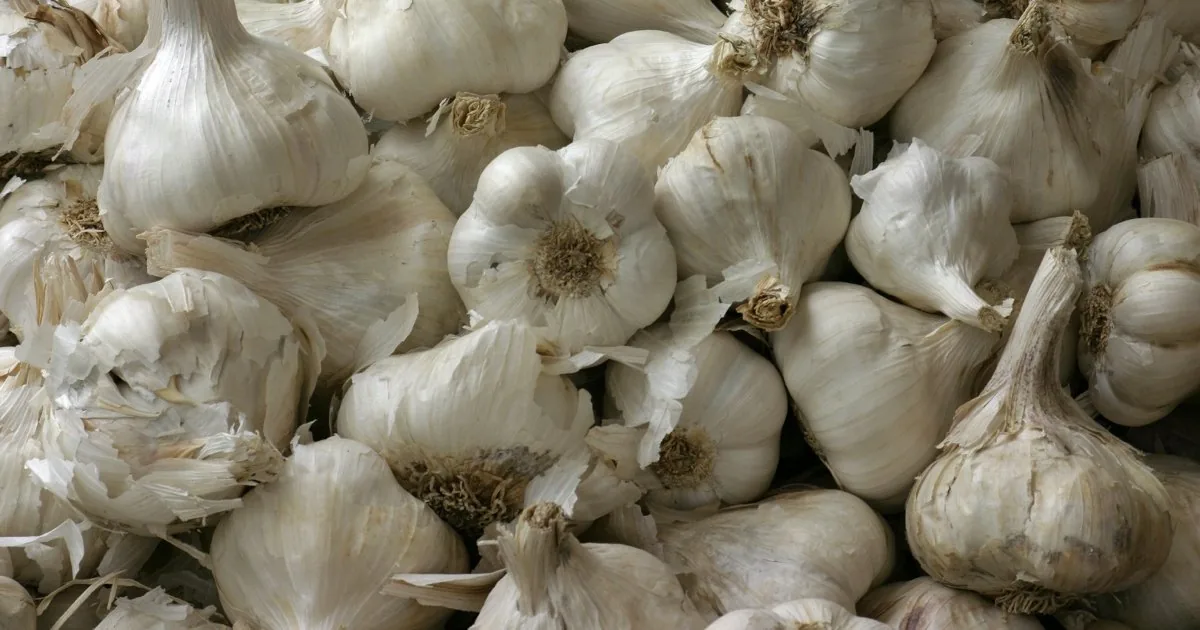
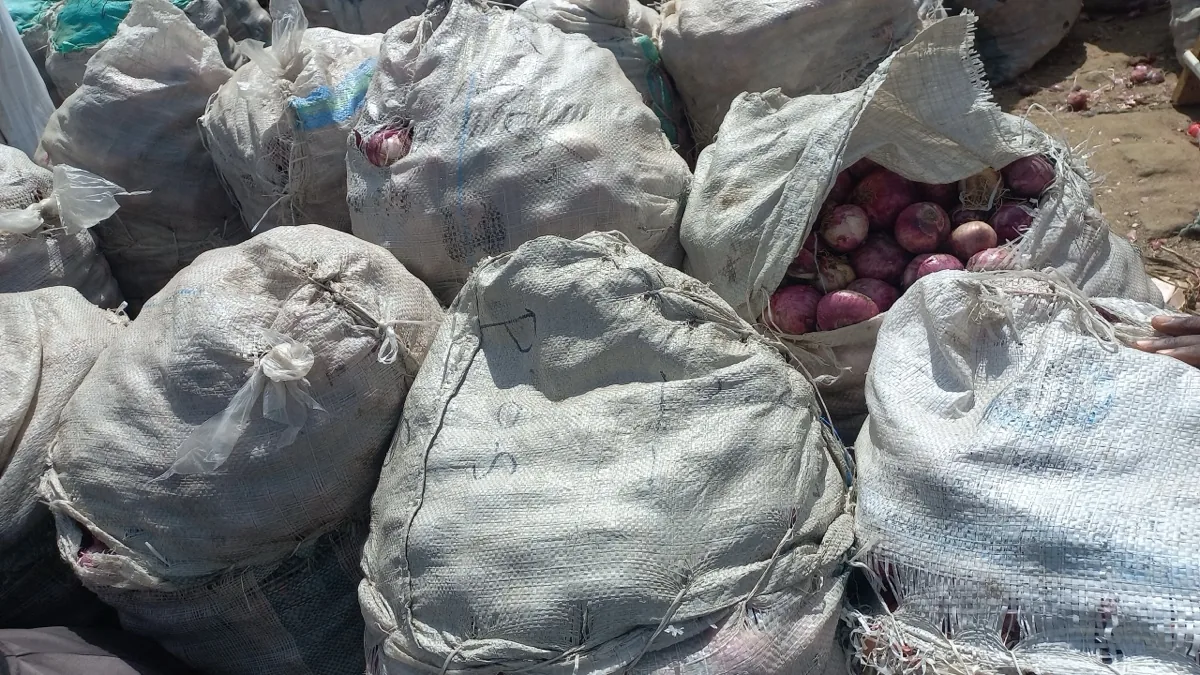
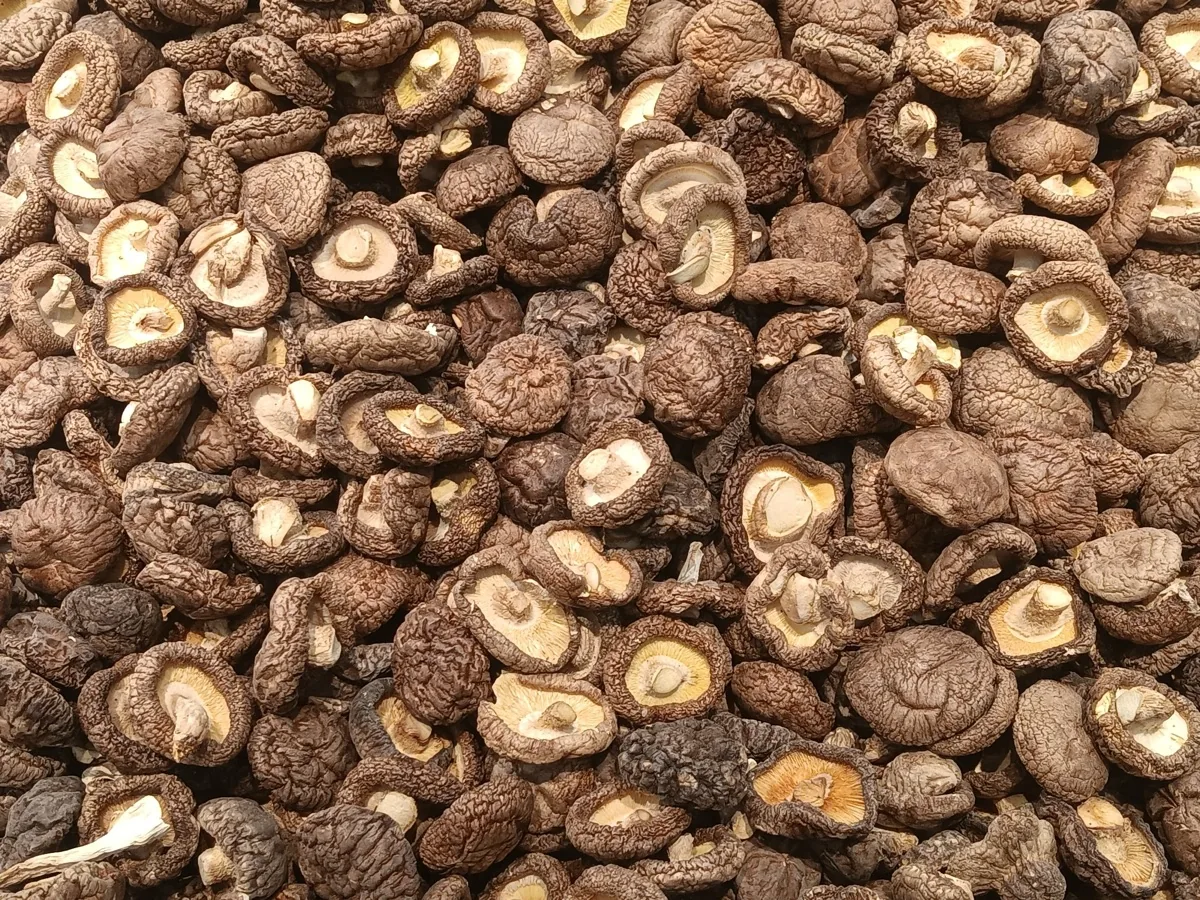
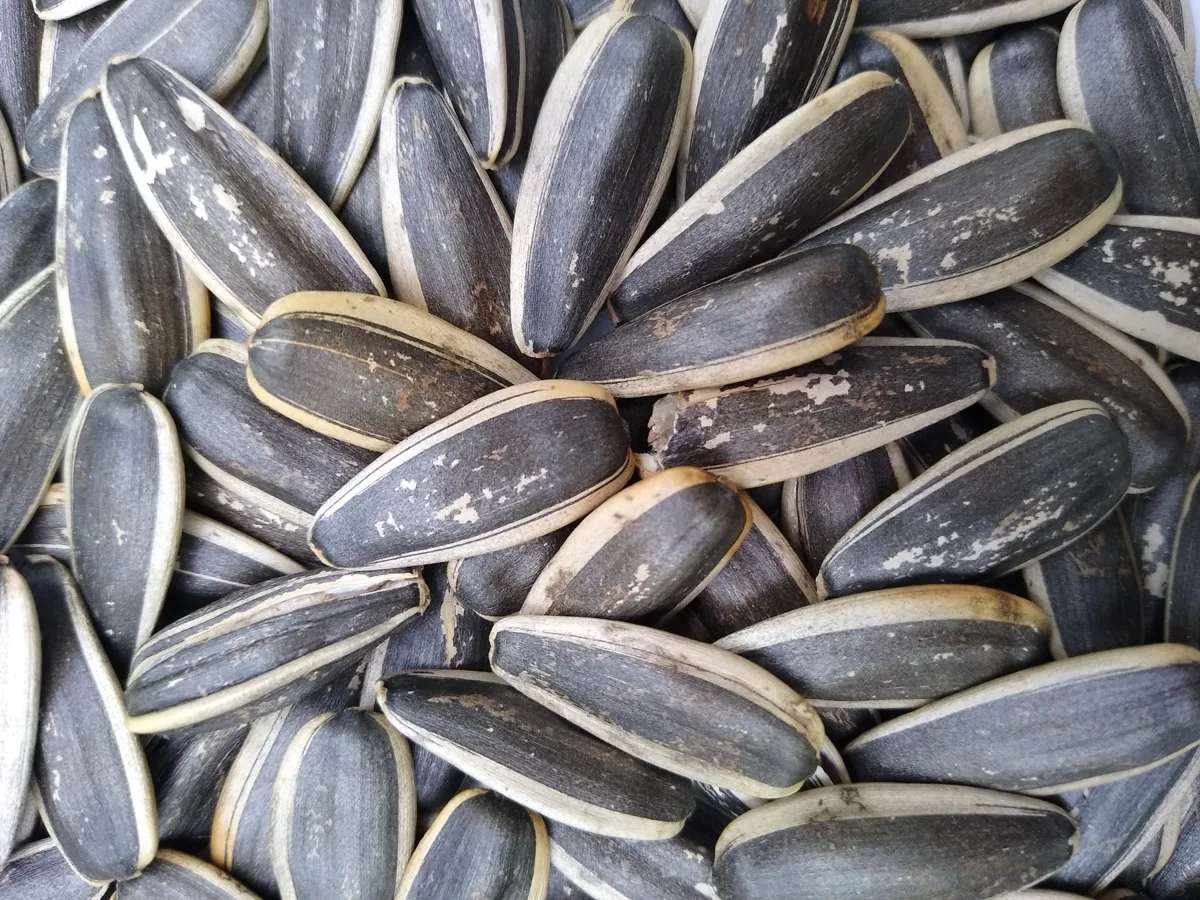
The agricultural products on this page fall into four categories: fresh vegetables and fruit — vegetables first: garlic, ginger, onions, carrots, potatoes and cabbage, then apples, pears and citrus; dried vegetables and fruit such as garlic flakes and garlic powder, onions, chilli peppers, carrots and dried mushrooms; seeds of both kinds — planting seeds, above all vegetable seeds, and edible seeds such as sunflower, pumpkin, watermelon and sesame seeds; and ornamental trees and live trees: trees and shrubs for landscaping gardens and sites, bonsai, and seedlings of fruit and shade trees.
Not included are processed and canned foods, beverages and animal products. What the four categories have in common is that the goods are alive, or once were: they respire, absorb moisture, germinate or grow, so they change between the day of loading and the day of arrival, and they pass through plant quarantine at both ends. That is why they are bought by season, written specification and official document, not by photo and price.
Which agricultural products are imported from China, and where are they produced?
Each product has its own production belt: garlic in Jinxiang, Shandong; ginger in Anqiu, Shandong; dried vegetables in Xinghua, Jiangsu; sunflower seeds in Bayannur, Inner Mongolia; vegetable seeds in Jiuquan, Gansu; apples in Shaanxi and Shandong; and ornamental trees and seedlings in Zhangzhou in Fujian, Shuyang in Jiangsu and Yanling in Henan. The area alone does not make a shipment good, but it shows where farms, packhouses, cold stores and nurseries are concentrated, and that is where you look for a supplier.
| Product | Production area | What the official source states | Source |
|---|---|---|---|
| Garlic | Jinxiang County, Jining City, Shandong | About 600,000 mu under cultivation (one mu is 1/15 of a hectare); its storage facilities hold three quarters of all the garlic that goes into storage in China, and what it processes and exports exceeds 70% of the national total | Ministry of Agriculture and Rural Affairs of China, 2024 |
| Ginger | Anqiu, Weifang City, Shandong | 200,000 mu, annual output of 1 million tonnes, and exports of more than 200,000 tonnes a year to more than 50 countries, with the crop kept in underground storage wells | Chinese Mission to the European Union, 2023 |
| Dried vegetables | Xinghua, Jiangsu | Described by the Ministry of Agriculture as the largest dried vegetable production base in Asia; its leading products are green onions, cabbage and carrots | China's Ministry of Agriculture, 2009 |
| Sunflower seeds | Bayannur, Inner Mongolia | China's largest sunflower growing base, where 4.4 million mu entered the sowing season in late May 2026 | Bayannur Municipal Government, 2026 |
| Vegetable seeds | Jiuquan, Gansu | One of the first national regional bases for vegetable seed production, and its vegetable seeds meet more than 50% of national demand | China's Ministry of Agriculture, 2023 |
| Hybrid maize seed | Zhangye and the Hexi Corridor, Gansu | In 2023 Gansu had about 60% of China's maize seed production area and 70% of its output, with Zhangye as its largest base | China's Ministry of Agriculture, 2024 |
| Apples | Shaanxi first, then Shandong | China's output in 2025 was about 51.6 million tonnes, of which 15.2 million were produced in Shaanxi and about 10.8 million in Shandong | China Agricultural Information Network, Ministry of Agriculture, 2026 |
| Citrus | Guangxi, Hunan, Hubei, Sichuan, Guangdong, Jiangxi, Zhejiang, Fujian and Chongqing | China's main citrus-producing regions | Shanghai Agriculture and Rural Affairs Commission, 2021 |
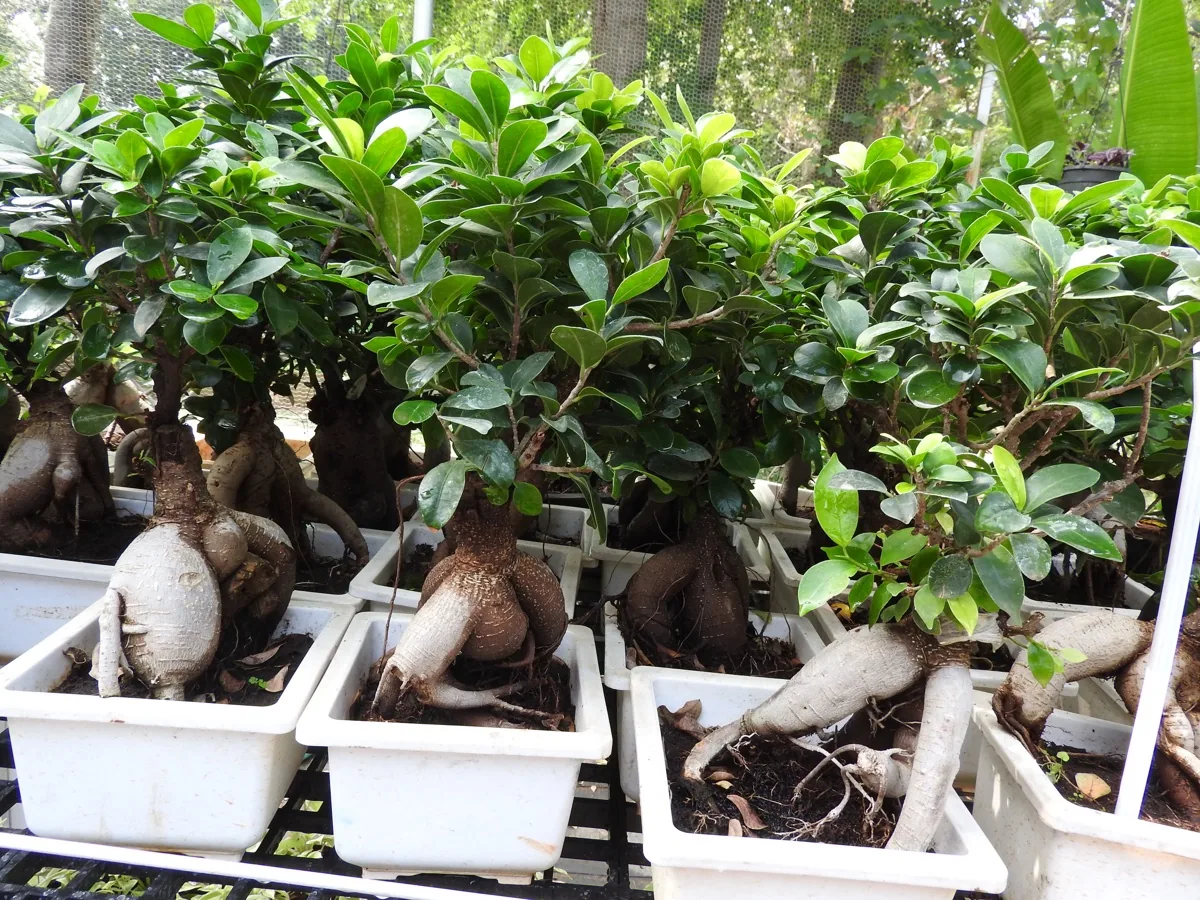
| Potted plants and export seedlings | Zhangzhou City, Fujian | China's largest export base for potted plants; its exports of flowers and seedlings exceeded USD 100 million in 2024, more than 400 of its varieties are sold in more than 50 countries and regions, and 345,000 mu are planted with flowers and seedlings; ginseng ficus is its leading seedling export, at more than 90% of the national total | National Forestry and Grassland Administration, 2025 and Fujian Provincial Government, 2025 |
| Landscaping trees and bonsai | Shuyang County, Jiangsu | The largest flower and tree producing county in Jiangsu by area, with 20% of the province's flower and tree area and 5% of China's; it grows more than 3,000 varieties, led by zelkova, flowering crabapple, Magnolia grandiflora, golden rain tree, privet, flowering cherry and boxwood, and it is home to tree-stump bonsai | China's Ministry of Agriculture, 2021 |
| Tree-planting seedlings, bonsai and potted plants | Yanling County, Xuchang City, Henan | Holds the title “China's home of flowers and trees” and has more than 2,400 varieties of tree-planting seedlings, bonsai, potted plants and cut flowers; the county describes it as a natural base for acclimatising southern plants to the north and northern plants to the south | Yanling County Government, 2026 |
| Flower and seedling trade | Xiaoshan District, Zhejiang | A nationally known home of flowers and trees and one of China's leading distribution centres for them, with more than 1,000 businesses; the sector's output reached 10.6 billion yuan in 2024, and the district has two large specialist markets | National Forestry and Grassland Administration, 2025 |
| Penjing (Lingnan bonsai) | Chini Town, Huadu District, Guangzhou | More than 50,000 mu under flowers and penjing, and more than 44 million pots of penjing sold in 2024; penjing exports from Huadu reached 10.238 million yuan in 2021, according to Guangzhou Customs data | Huadu District Government, 2025 and Guangzhou Municipal Government, 2023 |
Onions, carrots, potatoes, cabbage, pears, mushrooms and chilli peppers, on the other hand, are grown in many provinces, and this page does not name a specific area for them: a supplier is chosen by its farm, packhouse and storage, not by the name of its province. The same applies to ornamental trees: a nursery is chosen by its trees, its growing medium and, where required, its registration with customs. If you want to set up a drying or grading line in your own country, the equipment is on the Machinery and Production Lines page.
When should you buy: what are the harvest and new-crop seasons?
Each variety has a new-crop window, and outside it you buy from stock: Jinxiang garlic is planted in late September and early October and harvested in May, ginger is usually harvested between mid-October and mid-November before the frost, and sunflowers in Bayannur are sown in late May. The garlic dates are from China's Ministry of Agriculture, and the ginger dates from guidance from the Shanghai Agriculture and Rural Affairs Commission. Timing changes three things: the price, the quality and the nature of the goods themselves.
- New crop versus stored crop: garlic is harvested once a year and sold for the rest of the year from cold stores, which is why Jinxiang's storage facilities alone hold three quarters of the garlic stored in China. So write the crop year into the contract, and whether the goods come from the new harvest or from storage, and since when. According to the US Department of Agriculture's handbook on commercial storage, garlic keeps for more than nine months at −1 to 0 °C and 60 to 70% humidity, but it eventually breaks dormancy and sprouts from the inside, and this happens fastest between 5 and 18 °C.
- Ginger: it is harvested in autumn and kept in storage wells around Anqiu, so a shipment may come from the latest autumn crop or from older stock. The difference shows in the skin, the weight and sprouting, so ask for the date it was taken out of the well.
- Apples: they are kept in cold storage for months after picking — at −1 to 4 °C and 90 to 95% humidity, depending on the variety, according to the US handbook — so ask for the picking date and how long they were stored before shipping, not just about their colour.
- Edible seeds: new-crop sunflower seeds differ from the previous year's seeds in moisture, taste and risk of rancidity, so write the crop year and ask for a moisture and aflatoxin analysis of the same batch.
- Planting seeds: order them ahead of the planting season in your country, leaving enough time for the import permit, inspection and shipping, because seeds that arrive after planting time wait a whole season, and their germination rate may decline in storage.
- Live trees: a bare-root tree is dug from the field to be placed in a dormant state, as described in the reference appendix to international standard ISPM 40, so order it only in the dormant season of its species. Container-grown trees are less tied to the season, but summer heat in transit and on arrival raises the risk of wilting, so plan their arrival date before you sign the contract.
On top of this comes the Chinese New Year holiday, which slows packing and exports for weeks; see Chinese New Year and peak seasons. The dates here are for guidance, not for contracts, because the weather brings the harvest forward or pushes it back every year.
What specifications go into a contract for fresh vegetables and fruit?
Variety, size grade, crop year, degree of drying and cleaning, permitted defects and their percentages, packaging type and net weight, and pre-cooling are all clauses written into the contract as figures and used to inspect the goods — not adjectives such as “excellent” or “first grade”.
- Variety and appearance: for garlic, the skin colour and clove size; for ginger, whether it is fresh with a moist skin or has an air-dried skin; for apples, the variety name.
- Size grade: the minimum diameter of garlic and onions in centimetres, the minimum weight of a piece of ginger in grams, and the number of apples per carton, with a permitted percentage below the grade.
- Drying and cleaning: garlic and onions are surface-dried (curing) before storage, and onions may lose 3 to 5% of their weight in the process, according to the US handbook; so specify the dryness of the skin, the length of the trimmed roots and stem, and the permitted percentage of soil.
- Defects: sprouting, rot, bruising, loose cloves in garlic, cracking in carrots and greening in potatoes — each with a written maximum percentage and an agreed counting method.
- Packaging and weight: mesh bags, cartons or crates; the net weight of each pack, and whether it is measured at packing or on arrival; and labelling in the language of the destination country. See Packaging, labelling and barcodes.
- Pre-cooling: the US handbook, for oranges for example, calls for the fruit to be cooled before storage to slow its respiration. So write the required product temperature at loading, and do not rely on the container alone to cool goods that went in hot.
- Keeping varieties apart: the odour of garlic transfers easily to other produce, so it is stored on its own, according to the same handbook; do not load it with apples or anything else in the same container.
What are the specifications for dried vegetables and edible seeds?
Dried vegetables are specified by drying method, form and size, maximum moisture, colour, impurities and microbiological limits, and edible seeds by variety, size, crop year, moisture, impurities and aflatoxin. Moisture is the most critical clause here, because a dry product absorbs water from the air and then cakes or goes mouldy.
- Drying method: hot-air drying (AD) is the traditional method, and freeze-drying (FD) is a newer, more expensive technology that preserves shape and colour better; both are used in Xinghua, which is known as “China's home of dried vegetables”, according to Science and Technology Daily (2026).
- Form and size: flakes, granules or powder, with granules and powder specified by sieve mesh size, written as a minimum and a maximum.
- Moisture: a maximum percentage as a figure, the measurement method and the laboratory, in a certificate of analysis for the same batch, not a previous one.
- Colour, odour and impurities: a sealed reference sample to compare production against, a maximum percentage of foreign matter such as skins, stones and hair, and a metal detector on the packing line.
- Microbiological limits: total plate count, yeasts and moulds, salmonella and others, according to the requirements of the destination country, because some dried products are added to food without cooking.
- Edible seeds: variety; size, as the number of seeds in a set weight; the percentage of broken and empty seeds; whether raw or roasted; moisture; impurities; and aflatoxin analysis in an accredited laboratory. Sesame is also specified by its purity and colour.
- Packaging: bags or cartons lined with a moisture barrier and tightly sealed, with the net weight, production date and expiry date.
Aflatoxins are mycotoxins produced by Aspergillus moulds, and the Codex Alimentarius sets limits for them in certain foods in the General Standard for Contaminants and Toxins in Food and Feed, CXS 193-1995. The binding limit, however, is the destination country's limit for the specific product, so check it before signing a contract.
What exactly is required for planting seeds?
Planting seeds are bought by variety name, lot number, germination rate and purity, usually with a certificate of analysis from an accredited laboratory, a phytosanitary certificate and an import permit in the destination country — and the exporter in China needs a special licence. They are among the most demanding categories on this page, because a defect only shows weeks after planting, when the season has already been lost.
- Variety and type: the trade name and scientific name; whether it is a hybrid or open-pollinated; its declared disease resistance; and its suitability for your country's climate, because a variety that does well in Gansu may not do well in the heat of the Gulf.
- Germination and purity: minimum percentages written into the contract, and an analysis report for the lot. The International Seed Testing Association (ISTA) issues its “Orange International Seed Lot Certificate” when the lot is sampled and the sample analysed under the responsibility of a laboratory it has accredited, so that the result is tied to that very lot (ISTA Rules 2026, Chapter 1).
- Seed treatment: whether the seeds are coated with a fungicide or insecticide, the name of the substance and the colour of the coating; treated seeds are not fit for food or feed, and some substances may be restricted in the destination country.
- Lot number and packing date: on every pack, together with the date of the germination test. Agree on packaging that protects the seeds' viability from moisture, and check the destination country's packaging requirements before packing.
- The exporter's licence in China: Article 57 of China's Seed Law states that anyone engaged in importing and exporting seeds must hold a seed production and operation licence, and that anyone dealing in crop seeds also needs an import and export licence; Article 11 requires approval from the competent authorities before genetic resources are provided abroad (text of the law as amended in 2021). So ask for a copy of the licence before paying.
- Import permit in the destination country: it is usually obtained before shipping. In the UAE, the Ministry of Climate Change and Environment requires a permit, issued before the seeds are shipped from the exporting country and valid for six months, together with a phytosanitary certificate, a germination and purity certificate under the ISTA system or from a government laboratory, an agricultural activity licence that covers seed imports and, for seeds imported for the first time, a certificate that they are not genetically modified (MOCCAE).
What certificates and regulatory requirements apply to agricultural products imported from China?
Most shipments need a phytosanitary certificate issued by the General Administration of Customs of China (GACC) after inspection, a certificate of origin, wooden pallets treated to ISPM 15, and compliance with the pesticide residue limits of the destination country — and some markets add registration of orchards and packhouses or a prior import permit, and require live trees and seedlings to be free of natural soil. The exact requirement depends on how the product is classified — fresh or dried; food, planting seed or live plant — and on the destination country, so check it before production, not after sailing.
| Requirement | What the reference states | Applies to | Source |
|---|---|---|---|
| Phytosanitary certificate | International standard ISPM 12: it may only be issued by a public officer who is technically qualified and duly authorised by the national plant protection organisation (NPPO), and it is usually issued by the country where the plant was grown or produced | Usually fresh produce and planting seeds, and other products depending on the destination country | IPPC: ISPM 12 |
| Plants for planting | ISPM 36: plants for planting are generally considered to pose a higher pest risk than other regulated articles; the standard describes integrated measures at places of production, approved and overseen by the national plant protection organisation of the exporting country, which issues phytosanitary certificates attesting that the consignment meets the requirements of the importing country | Live trees, seedlings and bonsai | IPPC: ISPM 36 |
| Growing media and soil | ISPM 40: soil as a growing medium is a high-risk pathway because it can harbour numerous quarantine pests, and growing media — particularly soil — are often prohibited; import requirements are based on pest risk analysis, and the measures include treatment, inspection, sampling, testing, quarantine and prohibition | Seedlings and trees moved with soil or a growing medium | IPPC: ISPM 40 |
| Registration of orchards and packhouses in China | Chinese customs registers export fruit orchards and their packhouses when a bilateral agreement or the law of the importing country requires it (Article 4), and certificates are issued once inspection and quarantine have been passed | Fresh fruit for markets that require it | Measures for the supervision of exported fruit, as amended in 2018 |
| China: quarantine of exported plants and seedlings | The consignment is declared for quarantine before export; it leaves if it passes quarantine or treatment, and may not leave if it fails and cannot be treated (Articles 20 and 21 of the law, in which “plants” include seedlings and propagating material); customs issues the phytosanitary certificate according to the requirements of the country concerned and the variety | Live trees, seedlings and bonsai | Law on the Entry and Exit Animal and Plant Quarantine, as amended in 2009 and Chinese customs guide to plant quarantine |
| China: registration of export nurseries | Customs registers producers of exported seedlings and flowers; the conditions include a growing base that meets the plant health requirements of China and the importing country, no major plant epidemic there in the past two years, and clean, single-use packaging marked with the name and quantity of the goods, the producer's registration number and the lot number; the implementing regulations link registration to a request from the importing country (Article 32), and base export quarantine on the requirements of the importing country and China, bilateral agreements and the contract (Article 34) | Nurseries exporting trees and seedlings | Chinese customs: registration guide and Implementing regulations of the quarantine law |
| Record-filing of raw material farms and exported food producers with customs | Farms supplying raw materials for exported food file a record with local customs (Article 40) and producers of exported food file a record with the customs office where they are based (Article 42); registration is required only where the importing country applies it and asks for a recommendation from Chinese customs (Article 43); the producer must comply with the standards of the importing country or with the contract (Article 38); in force since 1 January 2022 | Anything classified as food at export | Measures on import and export food safety, GACC Decree No. 249 |
| Certificate of origin | Issued by Chinese customs or by the China Council for the Promotion of International Trade (CCPIT) and its local branches, under GACC Decree No. 270, in force since 1 September 2024 | Whatever the destination country or the buyer requires, and goods that benefit from a tariff preference | GACC: text of Decree No. 270 |
| Pallets and wood packaging | ISPM 15: approved treatments include heat treatment at a minimum of 56 °C for 30 continuous minutes throughout the entire profile of the wood, with a mark bearing the treatment code (HT, MB, DH or SF) | Every shipment on pallets or in wooden crates | IPPC: ISPM 15 |
| Pesticide residues: international reference | The Codex database contains 6,522 maximum residue limits for pesticides and 63 extraneous maximum residue limits, adopted up to the 48th session of the Codex Alimentarius Commission (November 2025) | A reference for guidance; the binding limits are those of the destination country | Codex: pesticide residues database |
| Saudi Arabia: food safety | The Saudi Food and Drug Authority (SFDA) requires an official phytosanitary certificate from the competent authority in the exporting country when importing fresh fruit and vegetables and grains, in the format set by the competent authority in the Kingdom | Fresh fruit and vegetables, and grains | SFDA: requirements and conditions for importing food |
| Saudi Arabia: plant quarantine | The General Department of Quarantines at the Ministry of Environment, Water and Agriculture (MEWA) issues import, export and transit permits for unprocessed plant products, and inspects consignments to make sure they are free of pests | Planting seeds and unprocessed plant products | MEWA: General Department of Quarantines |
| Saudi Arabia: trees and seedlings | No plant consignment may enter without an import permit issued before each consignment, and it must be accompanied by a phytosanitary certificate in the internationally approved format from the official authorities in the country of origin or export; plant consignments must be free of natural soil, and seedlings free of soil, which is replaced by peat moss, agricultural perlite, vermiculite or another material approved by the Ministry | Live trees, seedlings and ornamental plants | MEWA: guide to agricultural and veterinary quarantine procedures |
| UAE: seeds and tubers | An import permit issued before shipping and valid for six months, a phytosanitary certificate, a germination and purity certificate under ISTA or from a government laboratory, and an agricultural activity licence | Planting seeds and tubers | MOCCAE: importing an agricultural consignment |
| UAE: seedlings and plants | An import permit obtained before shipping from the exporting country and valid for six months, an agricultural activity licence that covers importing and exporting plants and seedlings, and a phytosanitary certificate from the competent authority in the exporting country at release; natural soil accompanying seedlings and plants is prohibited, importing any variety not named in the permit is not allowed, and the treatment of packaging of plant origin is stated on the certificate | Live trees, seedlings and ornamental plants | MOCCAE: importing an agricultural consignment |
| China: export of planting seeds | A seed production and operation licence, an import and export licence for crop seeds (Article 57), and prior approval to provide genetic resources abroad (Article 11) | Exporters of planting seeds | China's Seed Law, as amended in 2021 |
| Species listed in CITES | The export of a specimen of a species in Appendix II requires the prior grant and presentation of an export permit (Article IV); for an artificially propagated plant, a certificate to that effect from the Management Authority of the exporting country is accepted in lieu of the permits, and an Appendix I plant artificially propagated for commercial purposes is treated as Appendix II (Article VII); in China, the import and export permit certificate issued by the national authority for the import and export of endangered species is presented to customs | Ornamental trees and bonsai of listed species | Text of the CITES Convention on InforMEA and China's regulations on the import and export of endangered wild fauna and flora, as amended in 2019 |
The table is for guidance, not for contracts, and does not cover every market; its figures were reviewed against their official sources in September 2026. The rule for any country not listed: ask the national plant protection organisation (NPPO) and the food safety authority in the destination country about the specific variety — whether it may be imported from China at all, which additional declarations the phytosanitary certificate must carry, whether a prior permit is needed, and which growing media are accepted with seedlings — then pass this on to the supplier before production. For the full chain of documents, see Import documents and customs clearance, and for the two largest Gulf markets, Importing from China to Saudi Arabia and Importing from China to the UAE.
How are fresh vegetables and fruit shipped in reefer containers?
They ship in refrigerated (reefer) containers whose temperature, humidity and ventilation are set for each variety separately; the produce is cooled before loading; and two varieties with different settings, or where one would pass its odour to the other, are never combined in one container. The decisive question before booking: is the variety's storage life clearly longer than the whole journey, from the packhouse to the importer's store?
| Variety | Recommended storage temperature (°C) | Relative humidity | Approximate storage life | Source |
|---|---|---|---|---|
| Garlic | −1 to 0 | 60–70% | More than 9 months | USDA AH-66 |
| Dry onions (pungent) | 0 | 65–75% | 6–9 months | USDA AH-66 |
| Topped carrots | 0 | 98–100% | 7–9 months under optimum conditions | USDA AH-66 |
| Cabbage | 0 | 98–100% | — | USDA AH-66 |
| Potatoes for the fresh market | 7–10 | 95–99% | Up to 12 months after curing | USDA AH-66 |
| Mature ginger | 12–14 | 85–90% | 60–90 days | USDA AH-66 |
| Apples | −1 to 4, depending on variety | 90–95% | 3–6 months in regular air, longer in controlled atmosphere | USDA AH-66 |
| Asian pears | 0 | Above 90% | — | USDA AH-66 |
| Mandarins (tangerines) | 5–8; chilling injury below 5 | 95% | Up to 4 weeks | USDA AH-66 |
The figures are from the US Department of Agriculture's handbook on the commercial storage of fruits and vegetables (Agriculture Handbook 66, revised February 2016). They are optimum storage conditions, not mandatory container settings: they vary with the variety, its ripeness and how long it was stored before shipping, and the temperature, humidity and ventilation settings are agreed in writing with the supplier and the shipping line. They are for guidance, not for contracts, and the figures were reviewed against their official sources in September 2026.
- Transit time versus storage life: sea freight from Chinese ports to the Gulf and the Red Sea takes weeks, plus waiting time at both ports and clearance. Garlic, onions and carrots can take this with a wide margin, but mandarins, with a storage life of up to four weeks, have a narrow margin, and every day of delay eats into it. See sea freight vs air freight.
- Condensation: condensed moisture on ginger causes surface mould, and on onions it encourages rot and discolours the skin, according to the same handbook; so plan the cold chain for the moment the container is opened in hot, humid weather.
- Sprouting and rooting: high temperatures trigger sprouting in onions and high humidity triggers root growth; potatoes sprout faster above 4 °C; and carrots sprout if their storage temperature rises. A wrong setting therefore shows up on arrival as sprouts that cannot be sold.
- Temperature recorder: ask for the readings from the container's recorder, or place an independent recorder between the cartons, because it is your first piece of evidence if the goods arrive damaged.
- Weight before volume: garlic, potatoes, onions and ginger are dense products that can reach the permitted weight limit before the container is full, so the number of packs is calculated from the gross weight and the payload limit set by the shipping line and road haulage, not from the container's capacity.
How are dried vegetables and seeds shipped in dry containers?
They ship in standard dry containers, and the biggest risk is condensation inside the container as it passes from warm, humid air into cooler air, so that droplets fall onto the top cartons and wet the dry product. That is why protection starts with the moisture of the product itself at packing, not with desiccants alone.
- Before loading: a moisture analysis of the batch, a clean, dry container with no odour and no holes, and a dry floor.
- Inside the container: a paper cover over the top cartons, hanging desiccants in a quantity suited to the length of the voyage, pallets treated to ISPM 15, and space for ventilation.
- Odours: garlic, onion and chilli powders pass on their odour, and edible seeds can absorb odours; so do not put them together, nor with chemicals in a groupage shipment.
- Volume versus weight: dried vegetable flakes are light and fill the container before reaching its weight limit, while powders and seeds are denser. So know which limit governs your shipment before comparing freight quotes.
- Groupage: it suits small quantities of well-packed dried products and seeds, provided the consolidator accepts food and they are kept apart from goods with an odour; for fresh chilled produce, a full container is the usual route. See full container load (FCL) vs groupage (LCL) and groupage shipping (LCL): advantages and drawbacks.
What are the most common risks in importing agricultural products from China, and how do you avoid them?
The costliest are fresh produce spoiling in transit, sprouting, mould and aflatoxin in seeds and dried products, rejection of the shipment in the destination country over pesticide residues, an old crop sold as new, a shipment that differs from the sample, short weight, and live trees that arrive wilted or with prohibited soil.
- Spoilage in transit: a variety whose storage life is close to the journey time, a container set incorrectly, or goods loaded without pre-cooling. Choose the variety by its storage life, write the container settings into the booking, and keep the temperature recorder readings.
- Sprouting: garlic, onions or potatoes that have broken dormancy. Ask for the harvest date and the storage period, and inspect samples cut open to see the inside, not just the skin.
- Mould and aflatoxin: edible seeds or dried products packed with high moisture or wetted in the container. Require a moisture and aflatoxin analysis of the batch from an accredited laboratory, on a sample drawn at loading rather than sent from the office.
- Rejection over pesticide residues: a farm that complied with another market's limits, not with your country's. Send the supplier the destination country's limits for the variety, and ask for a pesticide residue analysis of the exported batch from an accredited laboratory before shipping.
- Old sold as new: garlic or seeds from a previous crop that come out of storage at the new-crop price. Write the crop year, ask for proof of it, and check the moisture, colour and sprouting rate.
- The sample is not the shipment: a hand-picked sample, then a shipment from mixed sources. Keep a sealed reference sample, and inspect before loading by drawing at random from the packs of the shipment itself. See Pre-shipment inspection and AQL standards and How to read an inspection report.
- Short weight: fresh produce loses water in transit, and packs may be underfilled. Write whether the net weight applies at packing or on arrival, and the permitted percentage of loss, and weigh a sample of packs during inspection.
- Documents that do not match the goods: a scientific name, quantity or port on the phytosanitary certificate that differs from the invoice and packing list can hold up release. Review the drafts before the certificates are issued.
- Trees with soil, pests or wilting: a root ball of field soil for a market that prohibits it, a pest in the growing medium, or trees exhausted by heat and long waits. How to prevent this is covered in the ornamental trees section below.
For a longer list of first-shipment mistakes, see 12 common first-import mistakes from China.
What do you need to import ornamental trees and live trees from China?
You usually need a nursery that meets your country's requirements and is registered with Chinese customs where this is required; a written specification with the scientific name and dimensions; a phytosanitary certificate issued by Chinese customs covering what the destination country requires; a prior import permit from that country's plant protection authority; roots free of natural soil where soil is prohibited, as in Saudi Arabia and the UAE; a reefer container with controlled ventilation; and a CITES permit if the species is listed in the appendices to the Convention. The reason for this strictness is that international standard ISPM 36 considers plants for planting generally to pose a higher pest risk than other regulated articles: the tree is planted in the destination country and lives there, and any pests it carries live on with it.
What falls into this category?
- Landscaping trees and shrubs for gardens and sites: shade, street and garden trees, and shrubs for hedging and topiary, usually sold by trunk diameter and height.
- Bonsai and penjing: dwarfed, shaped trees in pots. Centres include Shuyang for tree-stump bonsai, Chini Town in Huadu, Guangzhou, for Lingnan penjing, and Zhangzhou for ginseng ficus and potted plants — as shown in the production areas table above.
- Fruit and shade tree seedlings: young plants raised in nurseries in bags, pots or trays, known in plant quarantine terms as “plants for planting”.
A tree is supplied in one of three forms, and each is treated differently in quarantine and shipping. The descriptions below are from the reference appendix to ISPM 40:
- Container-grown: the tree grows in a pot or bag in a growing medium that may be soil or a soil-free substitute such as peat moss, perlite, vermiculite or coconut fibre. It is the best option for markets that prohibit soil, provided its medium is a substitute permitted there.
- Root-balled: the tree is dug with a ball of field soil wrapped in burlap (“ball and burlap”), the form in which older trees and shrubs are often moved in the nursery trade. The ball is soil, so this form is unsuitable where natural soil is prohibited.
- Bare-root: a tree or shrub is dug from the field to be placed in a dormant state, then shaken to remove some of its soil or washed free of it entirely; whether the soil can be removed depends on the size of the tree, its roots and the type of soil. It is therefore shipped only when dormant, and its exposed roots cannot tolerate drying out.
Bonsai is the most difficult form: the same appendix states that its roots are typically very difficult to wash free of soil, and that it may be transplanted into soil-free growing media and grown in greenhouses using integrated measures to reduce pest risk. So ask the nursery about its growing medium, and how long it has been in it, before buying.
What specifications go into a contract for trees?
- Scientific (Latin) name and cultivar: not the trade name alone, and the same name on the contract, the invoice, the phytosanitary certificate and the label of each tree or group, because the scientific name is what the shipment is checked against in the import permit, prohibition lists and the CITES appendices.
- Height and crown width: a minimum and a maximum in centimetres, stating the point of measurement — from the surface of the growing medium or from the bottom of the container.
- Trunk diameter: in centimetres, at a set height above the surface of the medium that is written into the contract, because the diameter changes with the point of measurement.
- Root ball or container: the diameter and depth of the root ball, or the size of the pot or bag, and the type of growing medium — soil, peat moss, perlite or something else — and whether it matches what the destination country accepts.
- Age and propagation method: the age of the seedling, whether it is grafted and on which rootstock, and how long it has been in its current container.
- Shaping of bonsai: the shape of the trunk and branches, the last pruning, and a photo of each piece or each grade before packing, attached to the contract.
- Health: visibly free of pests and diseases, a written maximum percentage of broken branches and yellowed leaves, and the condition of the roots at inspection.
- Labels: the scientific name on each tree or group, the lot number, and the nursery's registration number where it is registered.
What are the requirements in China and in the destination country?
They depend on the species and the destination country, so check them before production, not after booking. The texts and their sources are in the requirements table above:
- Quarantine in China: the consignment is declared before export and may not leave if it fails quarantine and cannot be treated, and inspection is based on the importing country's requirements, bilateral agreements and the terms of the contract — which is why your country's requirements are written into the contract itself.
- Nursery registration: customs registers producers of exported seedlings and flowers on conditions that include meeting the importing country's requirements, and the implementing regulations link registration to a request from the importing country; so ask for the nursery's registration number if your country requires it.
- Phytosanitary certificate: Chinese customs issues it according to the requirements of the country and the variety, and it must carry the additional declarations or treatments specified by the destination country, such as the statement on the treatment of packaging of plant origin in the UAE.
- Import permit: in Saudi Arabia, no plant consignment enters without an import permit from the Ministry of Environment, Water and Agriculture before each consignment; in the UAE, the permit is obtained from the Ministry of Climate Change and Environment before shipping, together with an agricultural activity licence that covers importing plants and seedlings, and any variety not named in the permit is prohibited.
- Soil and growing media: ISPM 40 considers soil a high-risk pathway and notes that it is often prohibited. In Saudi Arabia, seedling soil is replaced by peat moss, agricultural perlite, vermiculite or another material approved by the Ministry, and in the UAE natural soil accompanying seedlings and plants is prohibited.
- CITES: if the scientific name is listed in the appendices to the Convention, an export permit is needed or, for an artificially propagated plant, a certificate of artificial propagation from the Management Authority of the exporting country; for Appendix I specimens not artificially propagated for commercial purposes, an import permit from the destination country is also required; in China, the import and export permit certificate from the competent national authority is presented to customs.
How are live trees shipped?
They usually ship in a full reefer container whose temperature and fresh-air vent are set for the species, because the tree respires throughout the voyage. No single setting suits every species, so the temperature and ventilation are agreed in writing with the nursery and the shipping line, and recorded in the booking.
- Before loading: the trees are watered well before packing without waterlogging the medium, and hardened off — gradually accustomed to harsher conditions than in the nursery — and containers and crowns are secured so that branches do not break and pots do not tip over.
- Heat and transit time: the greatest dangers to a live tree are hours of heat without refrigeration at the ports and a long voyage and wait, since every extra day drains it. So choose the shortest route available, and have the import permit, release, haulage and the place for planting or holding the trees ready before the container arrives.
- Air inside the container: the trees are arranged so that air flows between the rows, and crowns are not piled on top of one another.
- Volume and weight: trees with their crowns fill a container quickly, while large trees with root balls are heavy, so the number of trees is calculated from volume and weight together before comparing freight quotes.
- Temperature recorder and photos: ask for the readings from the container's recorder or place an independent recorder, and photograph the trees at loading — together they are your evidence if the trees arrive wilted.
What are the risks in importing live trees, and how do you avoid them?
- Soil or pests on arrival: in Saudi Arabia, a consignment suspected of infestation is held under the supervision of a quarantine inspector until the test results are out; if it is found to carry a quarantine pest that cannot be treated, or an unknown pest, it is rejected in writing and a deadline is set for removing it, and if the importer does not remove it, it is destroyed at the importer's expense, according to the guide to quarantine procedures. Prevention: a growing medium permitted in your country, written into the contract, and inspection of roots and media before loading.
- Trees dying or shedding leaves in transit: from heat, drying out, long waits or incorrect container settings. Cut the transit and waiting time, fix the container settings in the booking, and keep the loading photos and temperature recorder readings.
- A species or size other than agreed: similar-looking seedlings of another species, or trees with a smaller diameter and less height. Require the scientific name on the labels, and measure the height, trunk diameter and root ball of a random sample during inspection before loading.
- The wrong season: a bare-root tree dug outside its dormancy, or a shipment arriving at the height of the heat. Order bare-root trees only in the dormant season of their species, and for container-grown trees choose an arrival date as far from the peak heat as possible.
- A CITES-listed species without its documents: under the Convention, its export requires a permit or a certificate of artificial propagation, and without one the shipment is held up. Check the scientific name against the CITES appendices before signing, and ask for the document before paying.
- A variety not on the import permit: in the UAE, importing any variety not named in the permit is prohibited, so check the shipment list against the permit name by name before loading.
For how to draw samples during inspection before loading, see Pre-shipment inspection and AQL standards.
How do you import agricultural products from China?
- Define your order The variety, quantity and destination country, with its import conditions. You
- Supplier search We pinpoint the growing region, compare suppliers and verify them, in about a week. Alshumul
- Samples and tests We request the samples, follow up their analyses and arrange sending them to you. Alshumul
- Agreement and contract We negotiate with the supplier in Chinese on variety, size, crop year and price; you approve the contract and payment. You and Alshumul
- Follow-up and inspection We follow the packing and inspect size, defects, weight and labels before loading. Alshumul
- Arranging shipping A reefer or dry container through shipping companies and shipping lines. Alshumul
- Document review Phytosanitary certificate, certificate of origin, invoice and packing list before sailing. Alshumul
- Arrival and clearance We follow the shipment to the port of arrival; your customs broker handles clearance and the import permit in your country. You
Alshumul arranges everything in China up to the port of arrival; it does not handle customs clearance or the import permit in your country.
- Start with the destination country: whether the variety may be imported from China, the plant health and food safety conditions, the pesticide residue limits, whether a prior import permit is needed — especially for planting seeds and live trees — which growing media are accepted with seedlings, and whether the species is listed in the CITES appendices.
- Choose the timing: new crop or stock, an arrival date ahead of the selling or planting season in your country, and for bare-root trees, the dormant season of their species.
- Look for the supplier in its production area and verify it: tell the farm, packhouse, drying plant and nursery apart from the trader, and check its registrations with customs, and its seed licence if it exports seeds. See How to find a verified supplier in China.
- Ask for samples and analyses: a reference sample; analyses for moisture, aflatoxin and pesticide residues; a germination and purity report for seeds; and for trees, photos and dimensions for each grade, and their growing medium.
- Write the contract by specification: variety, size, crop year, moisture, defects, packaging and weight; for trees, the scientific name, height, trunk diameter and root ball or container; and the delivery term. See Incoterms 2020 explained.
- Arrange payment in a way that protects you: see Safe payment methods for Chinese factories.
- Book the right container early: a reefer with the variety's settings for fresh produce, a reefer with controlled ventilation for live trees, or a dry container protected against condensation for dried products and seeds.
- Follow packing and inspect before loading: size, defects, weight, moisture and labels, and the product temperature at loading; for trees, their dimensions, scientific-name labels, the condition of roots and leaves, and the growing medium.
- Review the documents before sailing: the phytosanitary certificate, certificate of origin, invoice, packing list and certificates of analysis must all match; for trees, the scientific names must match the import permit, with the CITES document if required.
- Follow the shipment until the port of discharge, and have your customs broker and cold storage — or the planting site for trees — ready in your country before the container arrives.
Alshumul's role in importing agricultural products
Alshumul Commercial Services is an import and export company based in Guangzhou that works with suppliers of fresh and dried vegetables and fruit and of seeds, and with ornamental tree nurseries, in their production areas in China. In this category, the work is built on the season, laboratory analysis and the official document before price. What we handle:
- Finding and verifying suppliers, packhouses and nurseries, telling the farm, the factory and the nursery apart from the trader, and visiting sites when needed.
- Requesting and following up samples and analyses: moisture, aflatoxin and pesticide residues, germination and purity reports for seeds, and photos and dimensions of trees before contracting.
- Negotiating directly in Chinese on variety, size, crop year, packaging and price, and for trees on the scientific name, dimensions and growing medium.
- Following packing and inspecting before shipping: size, defects, weight, labels and moisture, comparing the goods with the reference sample, and examining trees at the nursery before loading — their dimensions, labels, the condition of roots and leaves, and the growing medium.
- Arranging shipping through shipping companies, shipping lines and consolidators, including booking reefer containers for fresh produce and live trees and recording their settings and ventilation in the booking, and groupage for small quantities of dried products and seeds.
- Reviewing documents before sailing: the phytosanitary certificate and its additional declarations, certificate of origin, certificates of analysis, invoice and packing list, checking that the scientific names of trees match across them, and following up until the port of discharge.
We say it clearly: we do not own warehouses, whether ordinary or cold, or nurseries, and we do not consolidate goods ourselves; we arrange consolidation with a specialist consolidator. We do not handle customs clearance, plant quarantine procedures or import permits inside the destination country, and we do not give legal advice on import requirements. To calculate your full landed cost, see The real cost of importing from China.