Electronics is the broadest and fastest-changing import category from China: mobile phones, hard drives and SSDs, USB flash drives and memory cards, chargers and cables, displays, headphones, power banks and phone accessories. It is also the category with the widest gap between what is shown and what arrives: two products that look identical in the photo and the box can differ in their battery cells, memory chip or internal controller in ways the eye cannot see — and the difference then surfaces after sale as customer returns.
This page is a standing reference for the whole category: where it is made, what goes into the contract, how the common frauds are detected, and why its shipments get stopped by the carrier before they ever reach customs. The details of phone accessories for the Saudi market — telecoms approval for wireless devices, cases and screen protectors, and packaging labels — are covered separately in our guide to importing phone accessories, so we do not repeat them here.
Where are electronics made in China?
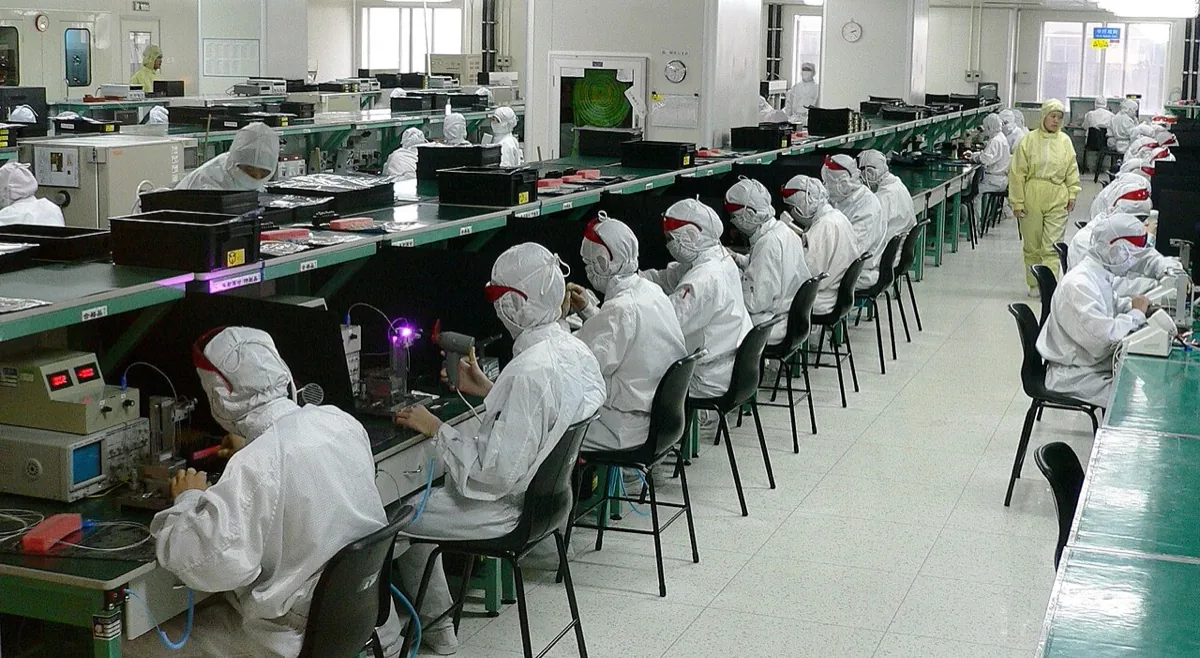
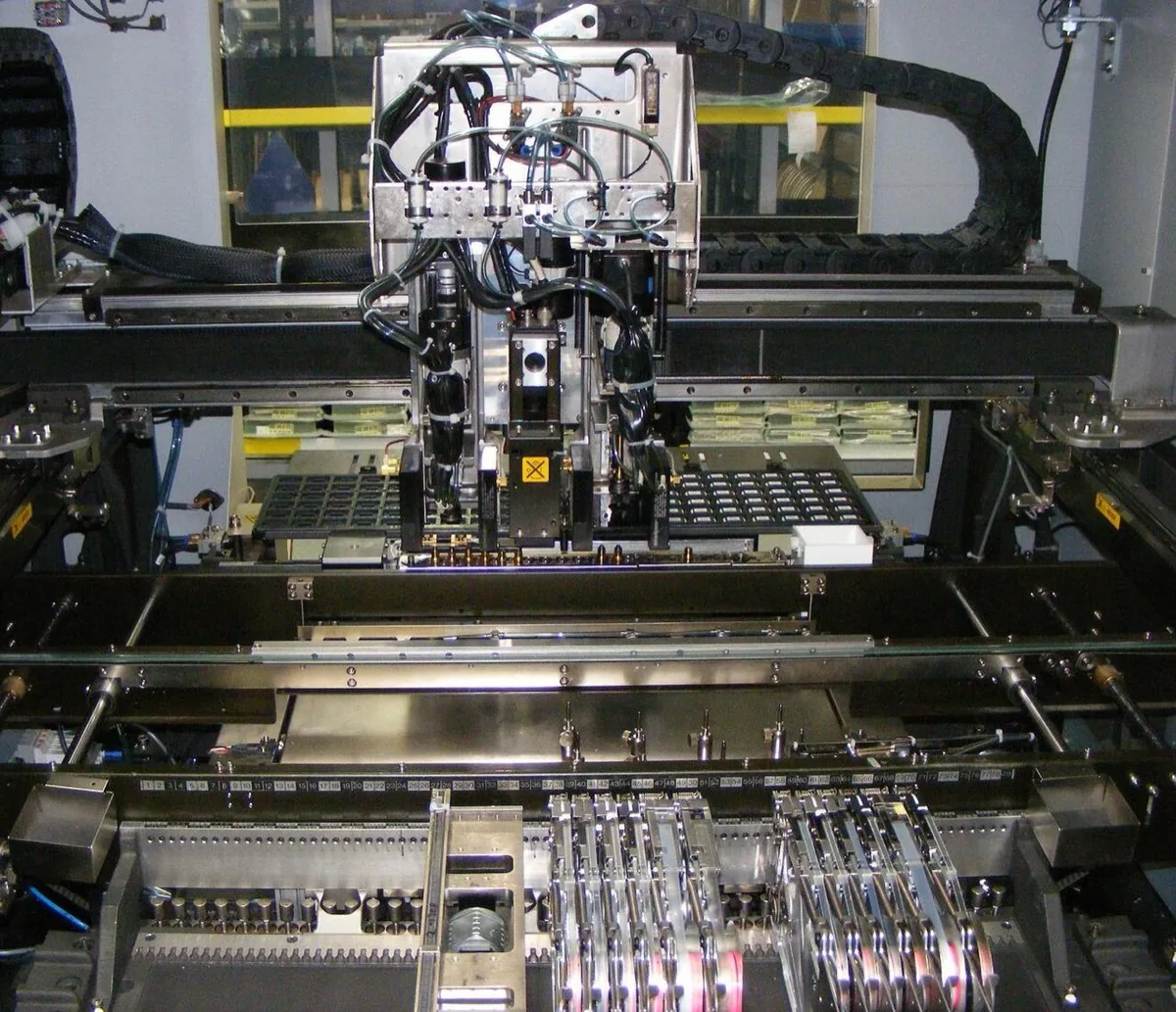
China's consumer electronics industry is concentrated in the Pearl River Delta in Guangdong province, with Shenzhen at its heart, alongside Dongguan and Huizhou. Along this strip, assembly plants, component suppliers, testing laboratories and freight forwarders are all within one or two hours' drive of each other, which is why developing a new model or changing a specification is faster here than anywhere else.
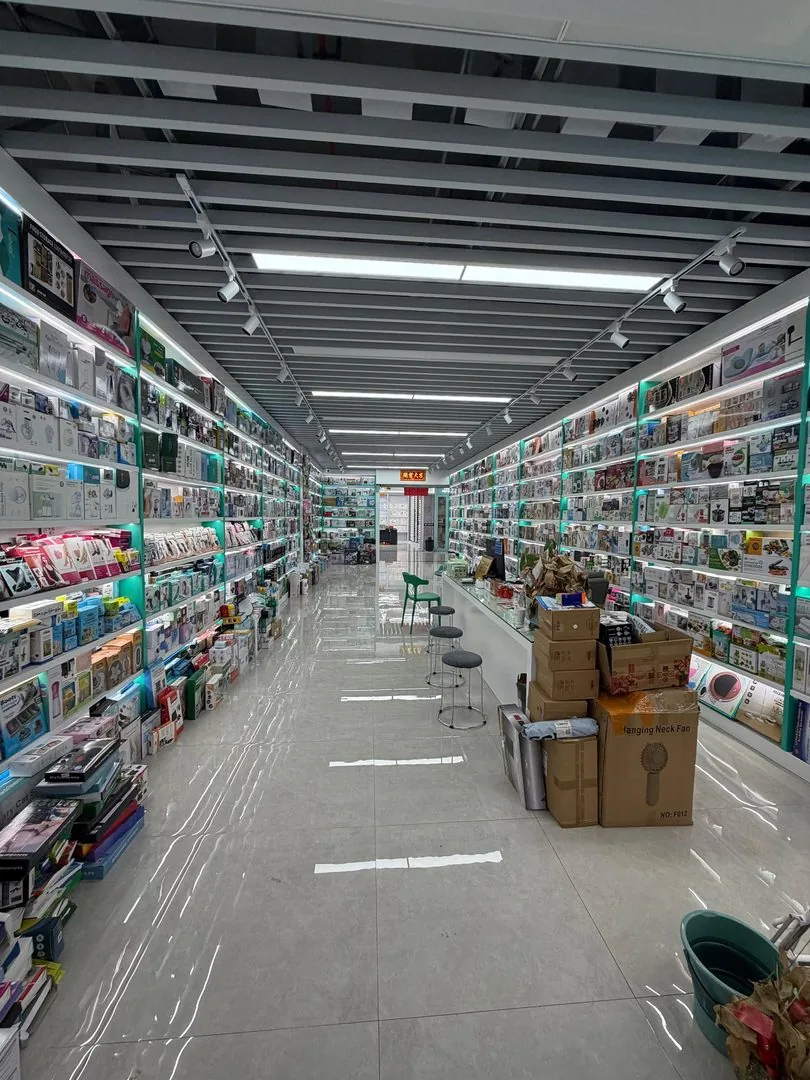
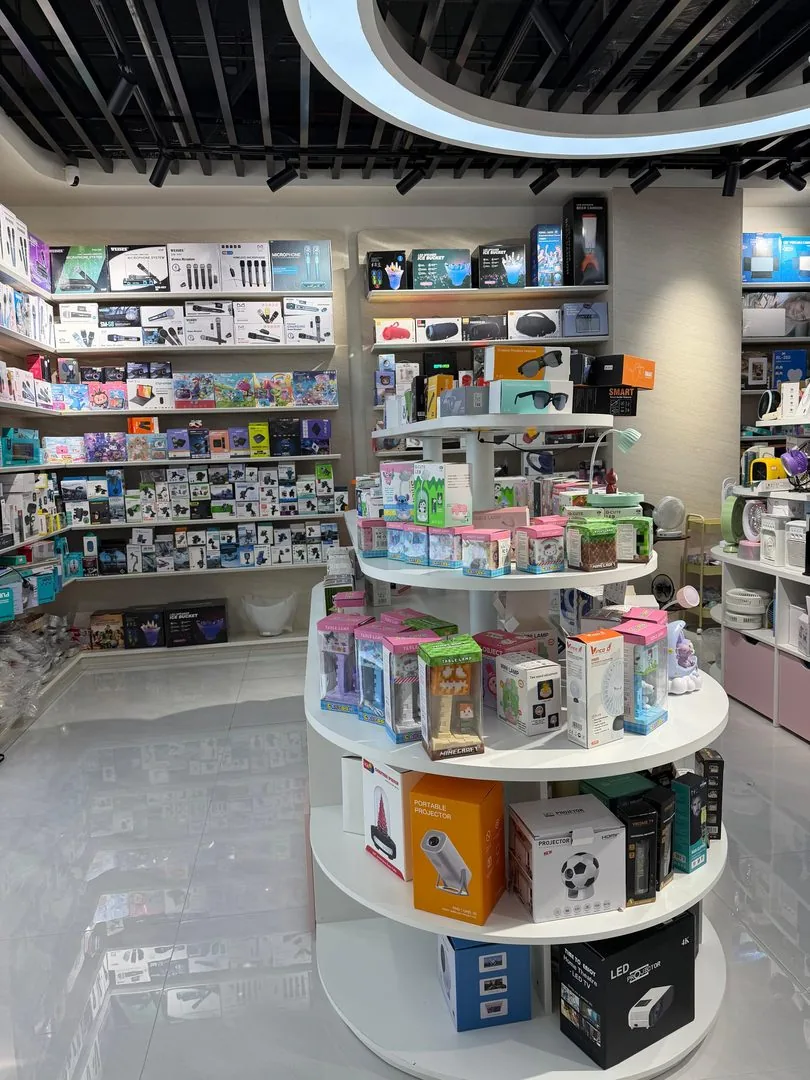
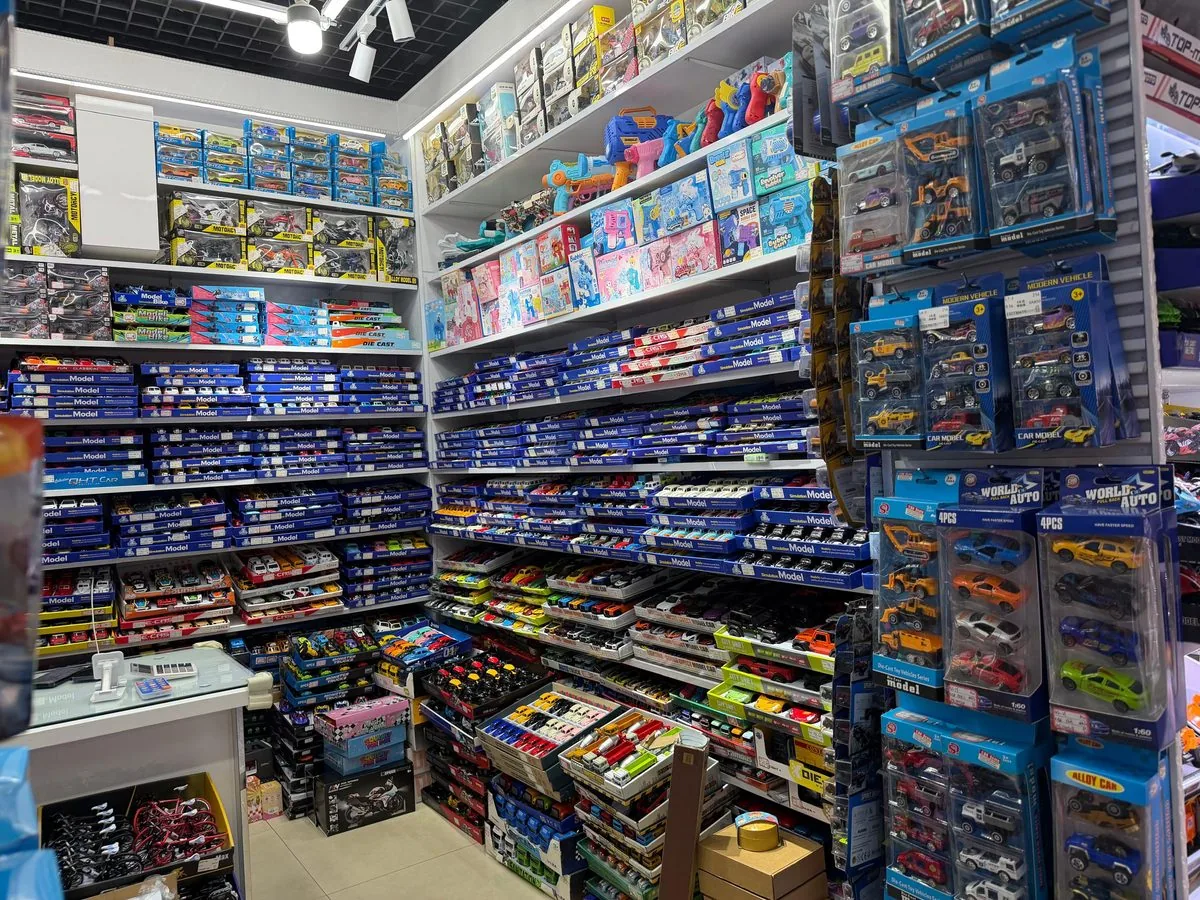
Shenzhen is home to the Huaqiangbei market in Futian District, the largest electronics and components market in the world. It is very useful for a specific purpose: seeing and comparing products, buying samples and learning the going prices. But bear in mind that most of its stalls are traders, not factories, and that repeat commercial orders are built with the factory itself after it has been verified — not with a stall that does not know where its goods come from. To tell a factory from a middleman, see How to find a reliable supplier or factory in China.
| Product | Main manufacturing regions | Note for importers |
|---|---|---|
| Mobile phones | Shenzhen, Dongguan and Huizhou, plus large original design manufacturers (ODM) in Jiangxi and Zhejiang | Many phones from little-known brands are designed and made by ODM companies and then carry the buyer's brand |
| Drives, SSDs, flash drives and memory cards | Module assembly, mainly in Shenzhen | The chips themselves are made by only a few companies; assembly is where components get tampered with |
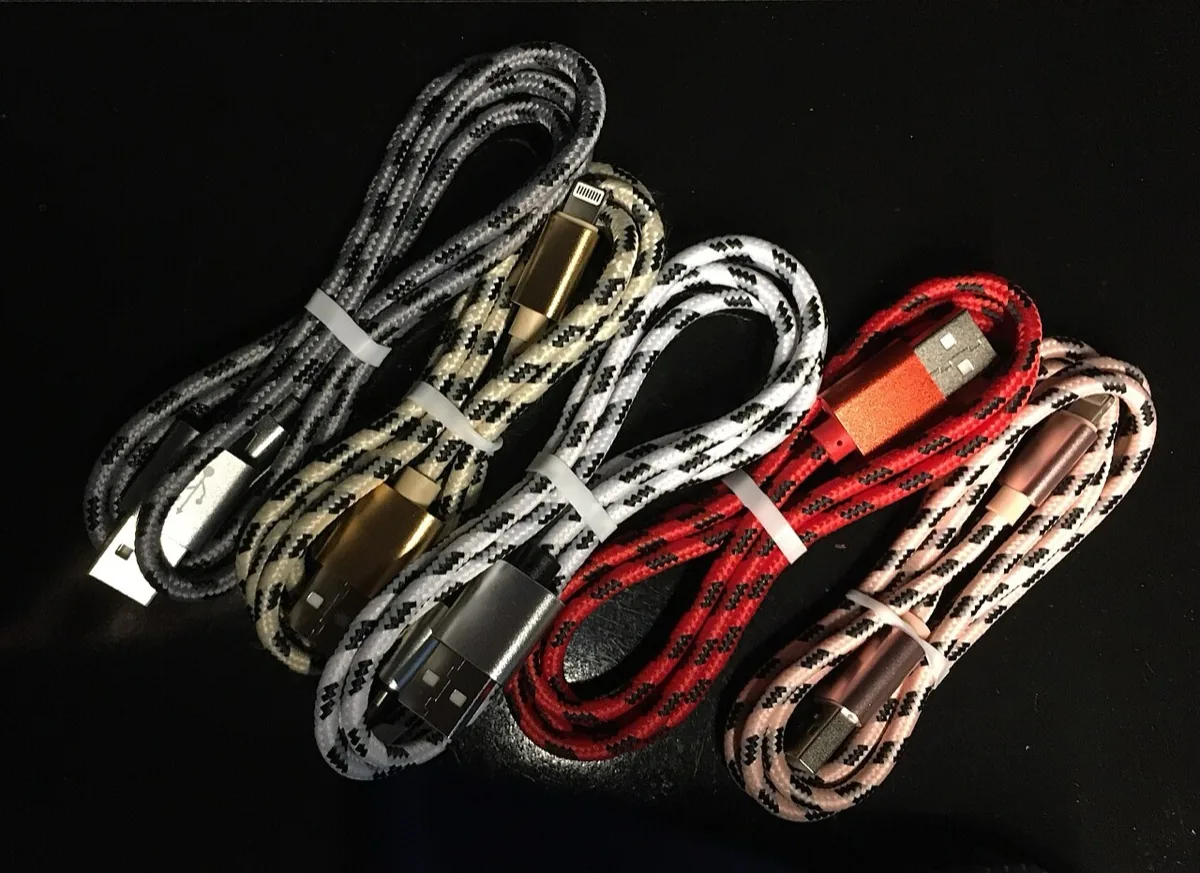
| Chargers, cables and adapters | Shenzhen and Dongguan | The difference between good and poor is on the inside: the wire cross-section and the protection circuits |
| Power banks | Shenzhen, Dongguan and Huizhou | The quality of the cells and the battery protection system matter more than the look of the casing |
| Displays | Guangdong and Fujian, with the panels themselves coming from large factories in several provinces | Large size and fragility determine how they are shipped |
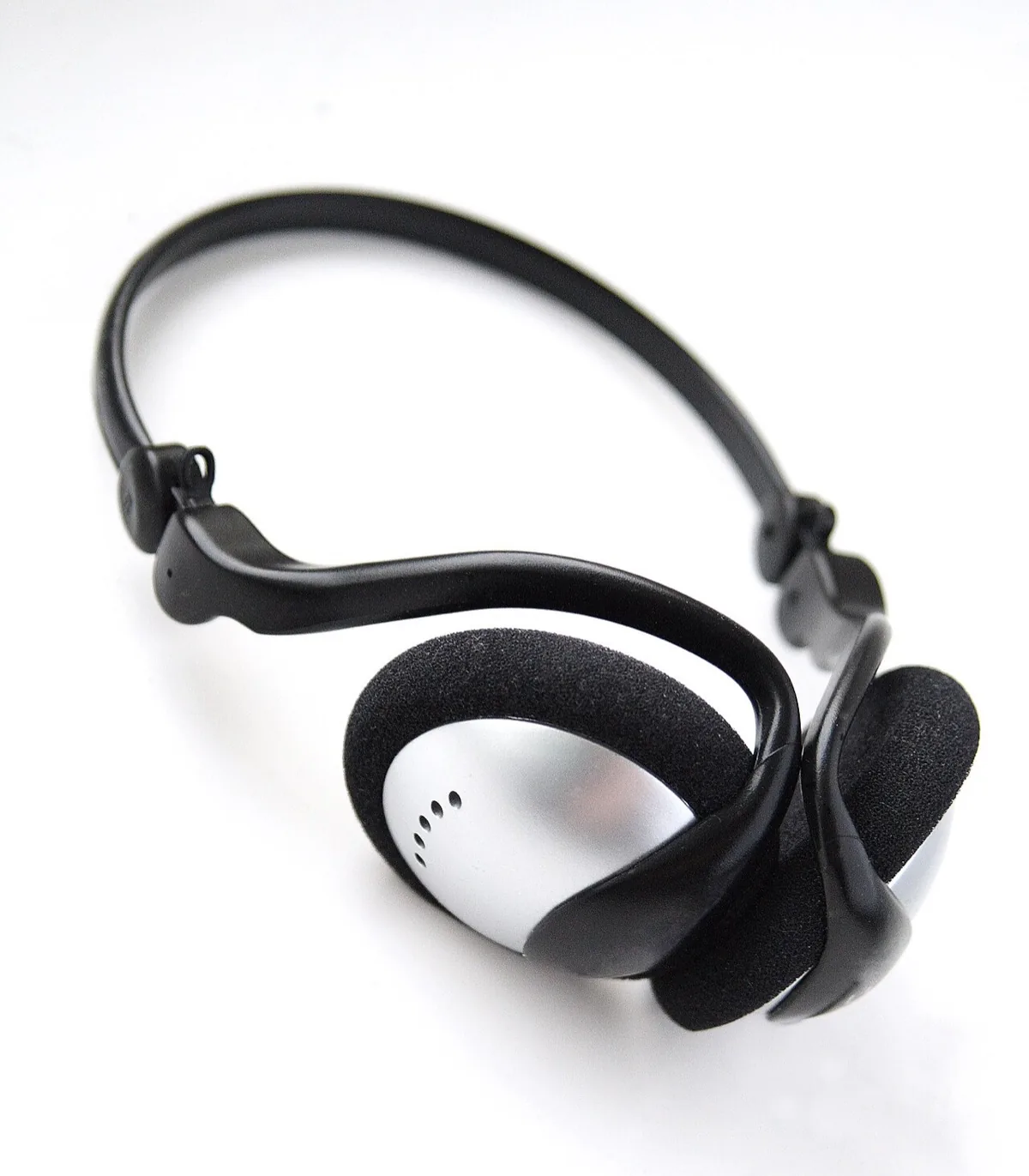
| Wireless headphones | Shenzhen and Dongguan | They contain a lithium battery and a wireless transmitter, so they carry the requirements of both categories |
What is the difference between genuine, counterfeit and refurbished electronics?
A genuine product is made or licensed by the brand owner and reaches you through its channel; a counterfeit carries a registered trademark without its owner's permission; and a refurbished device is a used device that has been repaired and repackaged. Alongside these three sits a fourth category, which is the legitimate route for most importers: a product made under the factory's brand or under your own private label.
We say it plainly, with no room for interpretation: importing products that carry registered trademarks belonging to someone else is an infringement, whether the market calls them “exact replicas”, “first grade” or “high copy”. These are trade labels that do not change the legal position. When such goods are discovered, they are seized and destroyed and the importer is held accountable, and an entire shipment can be held up because of one counterfeit item in it. A counterfeit phone or charger is not only a commercial infringement but also a safety hazard, because its components have not passed any testing.
| Category | What it actually is | Status | What to verify |
|---|---|---|---|
| Genuine, from the authorised channel | A well-known brand's product from the brand owner or its authorised distributor | Legitimate; the position on buying outside the authorised distributor (parallel imports) varies between markets | Proof of channel: the authorised distributor's invoice and letter of authorisation |
| The factory's brand or your own (OEM/ODM) | A product the factory makes under its own name or yours | The legitimate route for most importers | A written specification and certifications in the model's name |
| Counterfeit | Carries a registered brand's logo or packaging without permission | An infringement that ends in seizure and destruction | Nothing to verify — reject it |
| Refurbished | A used device with some parts replaced, then repackaged | Many markets restrict it or require disclosure that it is used | The destination country's rules first, then the grade, battery condition and account lock |
Refurbished devices deserve a word of their own, because they are offered at tempting prices. A refurbished device may have a poor replacement screen, a battery that has lost much of its capacity, a lock tied to its previous owner's account that makes it unusable, or a serial number (IMEI) that has been reported. Selling one as new is outright fraud. If refurbished devices are part of your plan, first check that the destination country allows used devices to be imported and on what terms, then require a written grade and an inspection of every device, not just a sample. To build a product under your own brand instead of relying on other people's brands, see Private label, OEM and ODM, and to protect it, see Protecting your brand and intellectual property when manufacturing in China.
How do you detect drives and flash memory with fake capacity?
With a write-and-read test that fills the entire drive or memory device with known data and then verifies it — not by looking at the capacity the computer displays. The fraud here lies in the controller itself: the controller chip is programmed to report a false capacity, so a USB flash drive that actually holds 32 GB shows up as 1 TB. There have even been external SSDs with nothing inside but a small memory card, glued to a piece of metal to imitate the weight.
What makes this fraud dangerous is that it does not show up at purchase or in a quick test. Files copy without any error message and everything seems fine; then, once the real capacity is exceeded, new data starts overwriting old data or is saved corrupted, and the customer finds out weeks later that their photos and files are gone. In other words, the damage falls on your customer, and the accountability falls on you.
The detection method is practical and does not need a laboratory:
- A full write-and-read test: well-known free tools do this, such as H2testw on Windows and f3 on Linux and Mac. They write test files until the declared capacity is full, then read them back and compare, and the result is conclusive: how many gigabytes actually work.
- Identifying the controller and memory type: tools read the identity of the controller and chip so they can be compared with the approved specification. This also exposes component substitution after sample approval: a sample with a controller and memory of one grade, and production with a cheaper grade.
- A sustained speed test: this does not expose fake capacity, but it does expose speed claims printed on memory cards (U3 and V30, for example), and low-grade memory whose speed collapses once its cache is full.
- Reading SMART data on SSDs: this exposes a used drive resold as new, from its power-on hours and the amount of data previously written.
Two important caveats. First: do not confuse fraud with a legitimate difference in calculation. A “1 TB” drive shows as about 931 GB in Windows because the manufacturer counts in thousands and the operating system counts in 1,024s, and that is not fraud. Second: a full test takes hours per unit for large capacities, so plan for it as part of pre-shipment inspection, with samples drawn at random from different cartons rather than from the first carton. The clearest warning sign, before any of this, is the price: a high-capacity memory product priced below the cost of its chips is not a bargain but fraud in plain sight. For the sampling method, see Pre-shipment inspection and AQL standards.
Why do lithium batteries hold up electronics shipments?
Because lithium batteries are Class 9 dangerous goods under air and sea transport rules, so a carrier will only accept them with correct classification, a test report, specified packaging and marking, and explicit disclosure at booking. This covers batteries shipped on their own, batteries packed with equipment and batteries installed in equipment — meaning phones, wireless headphones, power banks and smartwatches alike. Batteries are what stops shipments in this category most often, usually before they even reach customs.
The first step is to know which classification applies to your goods, because the requirements change with it:
| Case | UN number | Examples | Practical effect |
|---|---|---|---|
| Lithium-ion batteries on their own | UN3480 | Power banks, and replacement batteries sold separately | The strictest case: not accepted by air on passenger aircraft, and accepted on cargo aircraft with restrictions, including on state of charge |
| Batteries packed with equipment | UN3481 | A phone with a separate spare battery in the same box | Less strict than the first case, with limits on the number of batteries per package |
| Batteries installed in equipment | UN3481 | Phones, headphones and smartwatches | The least strict case, but not exempt: the test report is always required, and marking depends on the number of batteries and the quantity |
Then there is what the carrier requires in almost every case:
- UN38.3 test report: a series of tests from the UN Manual of Tests and Criteria, covering altitude simulation, thermal shock, vibration, shock, external short circuit, crush, overcharge and forced discharge. It is required in the name of the specific battery model, together with the test summary, which is made available to the parties in the shipping chain. A generic report titled “lithium batteries” is not accepted.
- Safety data sheet (MSDS): up to date and in the product's name, showing the composition, cell type and capacity.
- Energy in watt-hours (Wh) printed on the battery: calculated by multiplying voltage by capacity, so a 20,000 mAh power bank at 3.7 V comes to 74 Wh. The figures of 100 Wh per battery and 20 Wh per cell are a dividing line in air freight: anything above them is treated as fully regulated dangerous goods, with the documents and charges that go with that.
- Packaging and marking: the lithium battery mark on the package, the Class 9 label where required, and packaging that prevents short circuits and battery movement and can withstand a drop test from a height of 1.2 metres.
- Transport conditions assessment report: many airlines departing from China require a report issued by accredited assessment bodies in China confirming the goods' classification and suitability for air transport, in addition to UN38.3.
Air freight is where the restrictions bite hardest: batteries shipped on their own are accepted only on cargo aircraft and at a state of charge of no more than 30% of their capacity; many airlines and express couriers refuse them outright or accept them with dangerous goods charges that multiply the cost; and the rules are moving towards tightening, not easing. Sea freight is more accommodating but not free of conditions: the goods are declared as dangerous goods at booking under the IMDG Code, they need the shipping line's prior approval, many lines impose surcharges on them, and some LCL consolidators do not accept them at all, as we explain in our guide to LCL groupage shipping. The same principles apply even more strictly to e-bike batteries, which we cover in detail on the Bicycles and E-bikes page.
The most dangerous mistake in this category is hiding batteries in the shipment description: writing “accessories” or “plastic products” instead of declaring them. Shipping lines do check, they impose fines for misdeclaration that can reach thousands of dollars per container, and the shipper bears full liability if a fire breaks out. Correct disclosure is always cheaper than having concealment discovered. The figures and rules here are for guidance, not for contracts; they are updated periodically, and a specialist freight forwarder settles them for each shipment.
What specifications should be agreed in writing?
Everything the eye cannot see must be written as figures in the purchase order: internal components, real capacity, protocols, and compatibility with your country's networks and electricity supply. Electronics is one of the categories where components are most often swapped after sample approval, and the only protection against that is a written specification against which production is inspected.
- Mobile phones: the processor, RAM and storage capacity; the 4G and 5G network bands used by operators in the destination country (a phone that does not support the local operator's bands works with a weak signal or not at all); the operating system version and Arabic support in the interface; and the battery capacity as measured, not as declared.
- SSDs and drives: the interface (SATA or NVMe, and the PCIe generation), memory type (TLC or QLC), whether or not there is DRAM, the controller name, and write endurance in terabytes written (TBW), with an explicit clause prohibiting any change to any of these without written approval.
- Memory cards and USB flash drives: the real measured capacity, and the printed speed class together with its test result.
- Chargers and cables: power in watts, fast-charging protocols such as PD, a plug type that matches the destination country, the wire cross-section, protection circuits, and the presence of an identification chip (E-marker) in USB-C cables designed for 5 A.
- Displays: panel type (IPS or VA), resolution and refresh rate, panel grade, a dead pixel policy with an acceptable number in writing rather than the phrase “high quality”, and the voltage range of the power supply.
- Power banks: cell type and capacity, and the actual output capacity. The difference between the two is legitimate and well understood: a 10,000 mAh power bank at 3.7 V delivers about 6,000 to 6,500 mAh at 5 V after conversion losses. The fraud is when the capacity of the cells themselves is lower than what is printed.
What certifications do electronics need before shipment?
They usually need three layers: electrical safety and electromagnetic compatibility compliance in the destination country, approval from the telecoms authority for anything that transmits a wireless signal, and battery transport documents. The exact requirement depends on how the product is classified and on the destination country, and it must be checked before production, not after.
- In Saudi Arabia: products covered by technical regulations are registered on SABER, Saudi Arabia's product conformity platform, with a product certificate followed by a shipment certificate, and phones and wireless devices need approval from the Communications, Space and Technology Commission (CST).
- In the UAE: ECAS, the Emirates Conformity Assessment Scheme, and the Emirates Quality Mark (EQM) for covered categories, plus approval from the Telecommunications and Digital Government Regulatory Authority (TDRA) for wireless devices.
- In the Gulf states generally: the Gulf conformity mark (G-Mark) for certain categories of low-voltage electrical appliances.
- International test reports from recognised laboratories — such as CB reports under IEC 62368-1 for audio/video and information technology equipment, and IEC 62133 for batteries — do not replace the destination country's requirements, but they are a foundation to build on and they save time.
Be wary of a factory that sends you a CE or FCC logo as if that were enough: these are marks for the European and US markets, and they are often printed on products with no real test report behind them. Ask for the report itself, the laboratory name and the report number, and verify it with the laboratory. For detail on conformity schemes, see Product certifications for import: SASO/SABER, ECAS and CE.
How are electronics shipped: by air or by sea?
Small, high-value quantities usually go by air, while large quantities, displays and bulky products go by sea — but batteries can overturn this rule. SSDs and flash memory have a very high value per kilogram, so air freight remains sensible for small commercial quantities; phones and power banks, however, run into battery restrictions, so sea freight or an air carrier specialising in dangerous goods becomes the practical solution.
| Product | What drives the cost | Usual method | Shipping note |
|---|---|---|---|
| SSDs, flash drives and memory cards | Value, not weight or volume | Air for small quantities, sea for large ones | Anti-static packaging, and insurance for the full value because of the higher risk of theft |
| Mobile phones | Value | Air via a carrier that accepts batteries, or sea | Declaring the installed battery (UN3481) is mandatory |
| Power banks | Weight, relatively speaking | Usually sea | UN3480, with the strictest restrictions by air |
| Chargers and cables | Volume after packing | Sea, as a full container load or groupage | Usually no batteries inside, so they are easier to ship |
| Displays | Volume | Sea, preferably as a full container load | Fragile: do not stack beyond the printed limit, and groupage raises the risk of breakage |
In sea freight for any electronics, humidity is a hidden enemy: put moisture absorbers inside the cartons, and make sure the packaging can cope with temperature swings between ports. For the general comparison between the two methods, see Sea freight vs air freight.
What are the most common risks in importing electronics, and how do you avoid them?
The most serious are the ones you cannot see: components swapped after the sample, fake capacities, poor-quality cells and counterfeit brands. Here is a short list of what actually comes up again and again:
- Component substitution after sample approval: lock in a sealed “golden sample”, write the components down by name, and require inspection against it.
- Recycled battery cells taken from old devices and rewrapped: lower capacity, shorter life and a higher fire risk. Ask for the name of the cell factory and the batch code.
- Pre-installed software on cheap phones and smart devices, some of which shows advertising or requests unjustified permissions. Ask for the final system build and test it before production.
- Incompatibility with the destination country: unsupported network bands, a non-compliant plug, or wireless frequencies that are not permitted.
- Rapid obsolescence: today's model is replaced within months, so a large quantity of a single item is a real inventory risk.
- After-sales: agree in writing on an acceptable defect rate, on spare parts to accompany the shipment, and on how returns are handled.
How do you import electronics from China?
- Start with the destination country's rules: which certifications are required, whether you need telecoms approval, and whether used or refurbished goods are allowed at all.
- Decide on the brand: the factory's brand or your own private label, not other people's brands.
- Find the factory and verify it: tell the factory apart from the trader, and ask for test reports in the model's name.
- Approve a golden sample: inspect it technically — controller, memory, real capacity and battery cells — and keep it as a sealed reference.
- Write the specification into the purchase order: components by name with a ban on changing them, packaging and marking, and the acceptable defect rate.
- Complete the certifications before production: safety reports, telecoms approvals, and UN38.3 and MSDS for anything with a battery.
- Monitor production and inspect before shipment: components matching the sample, a full capacity test on random samples, and performance and packaging tests.
- Book shipping with a correct declaration: classify the batteries accurately and disclose them at booking, and choose air or sea on that basis.
- Review the documents before sailing: the invoice, packing list, certifications and goods description must match word for word.
Alshumul's role in importing electronics
Alshumul Commercial Services is an import and export company based in Guangzhou, close to Shenzhen and Dongguan, where most of this category is made. The value of being here, for electronics in particular, is that most of the category's problems cannot be seen in photos: a substituted component, a fake capacity, or a battery report that does not match the model. What we handle:
- Sourcing and verifying factories: telling a real factory apart from a market stall or middleman, and checking its business licence, production lines and test reports.
- Factory audits and visits before the first order.
- Requesting and following up samples, and inspecting them technically before approving them as a reference.
- Negotiating directly with the factory in Chinese on specification, components and price, and putting the ban on component substitution in writing.
- Production monitoring and pre-shipment inspection: checking components against the sample, and testing the real capacity of drives, flash memory and batteries on random samples.
- Arranging shipping — full container load, groupage or air freight — through shipping lines and consolidators that accept batteries with a correct declaration, and collecting the UN38.3 and MSDS documents from the factory before booking.
- Reviewing documents before sailing, and following up until the port of discharge.
We are clear about what we do not offer: we do not handle customs clearance inside the destination country; we do not give legal advice on trademarks (when the question is how far a brand or name may be used, the reference point is a specialist lawyer); and we do not arrange the purchase or shipping of counterfeit products in any form. To calculate your full landed cost, see The real cost of importing from China.
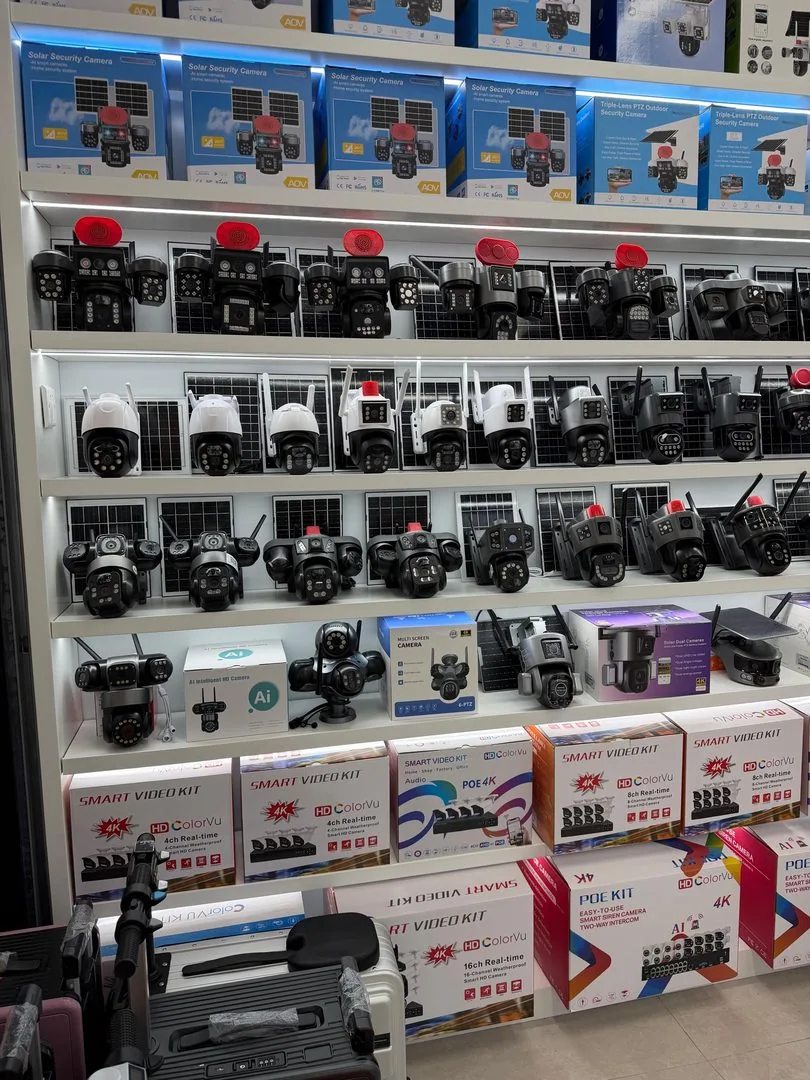
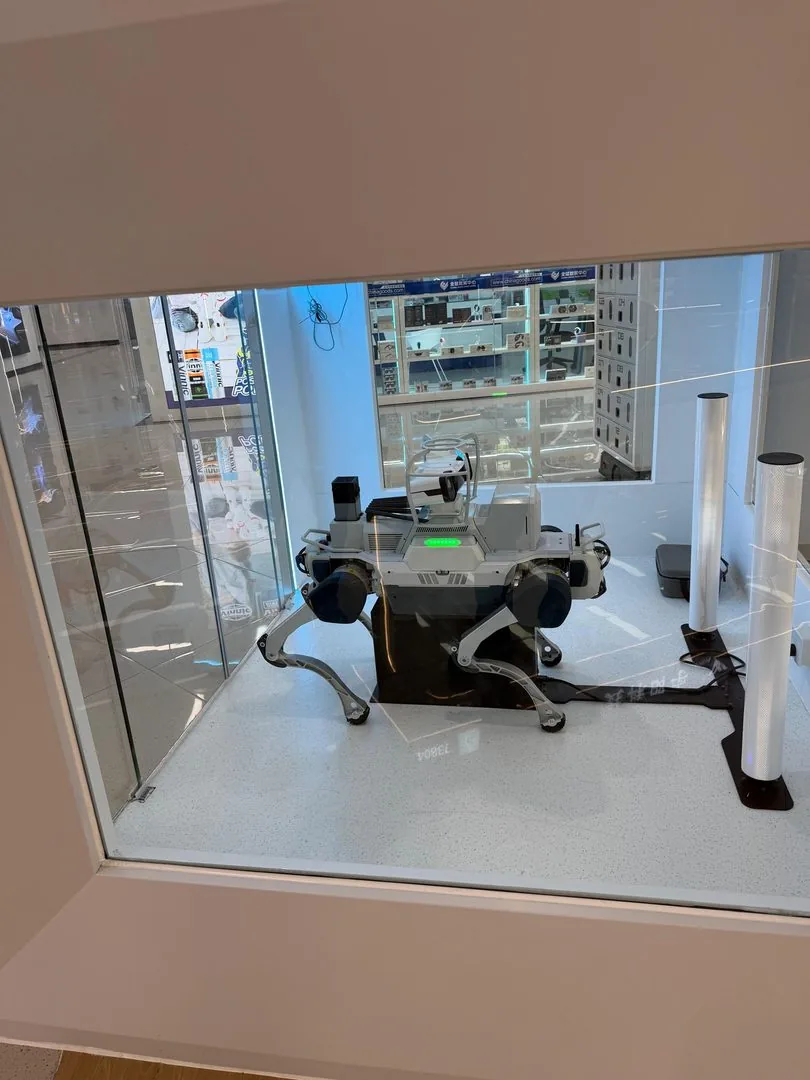
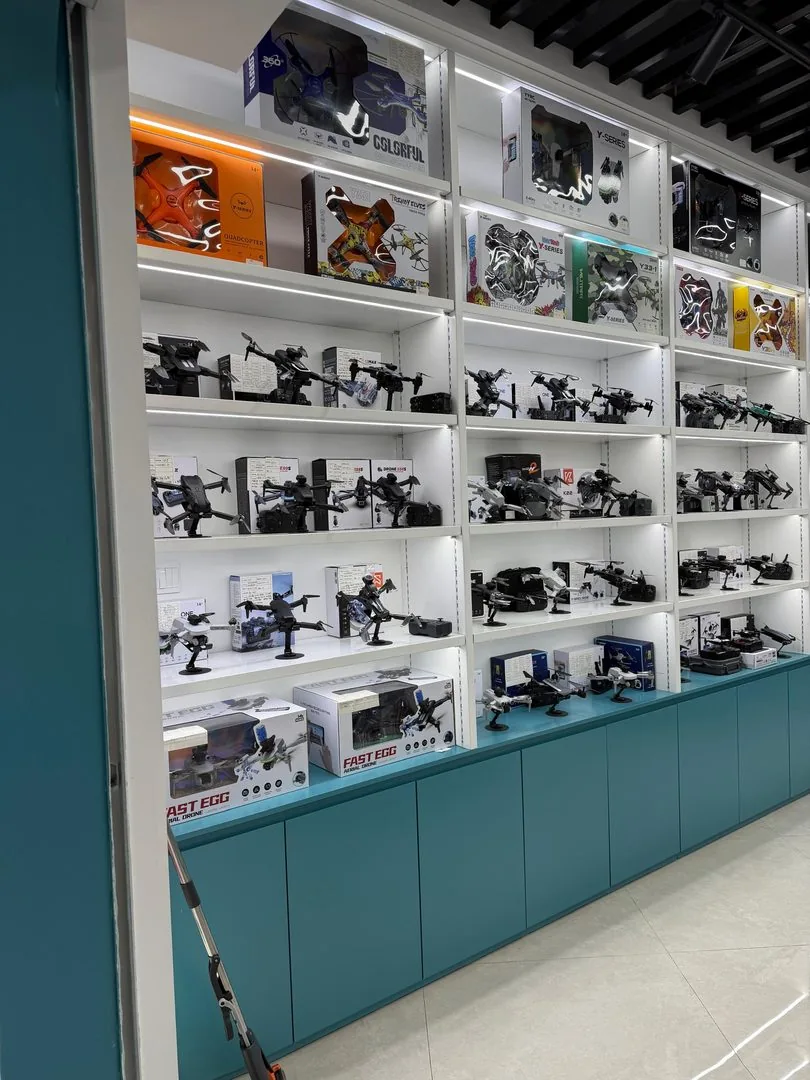
From Alshumul team visits
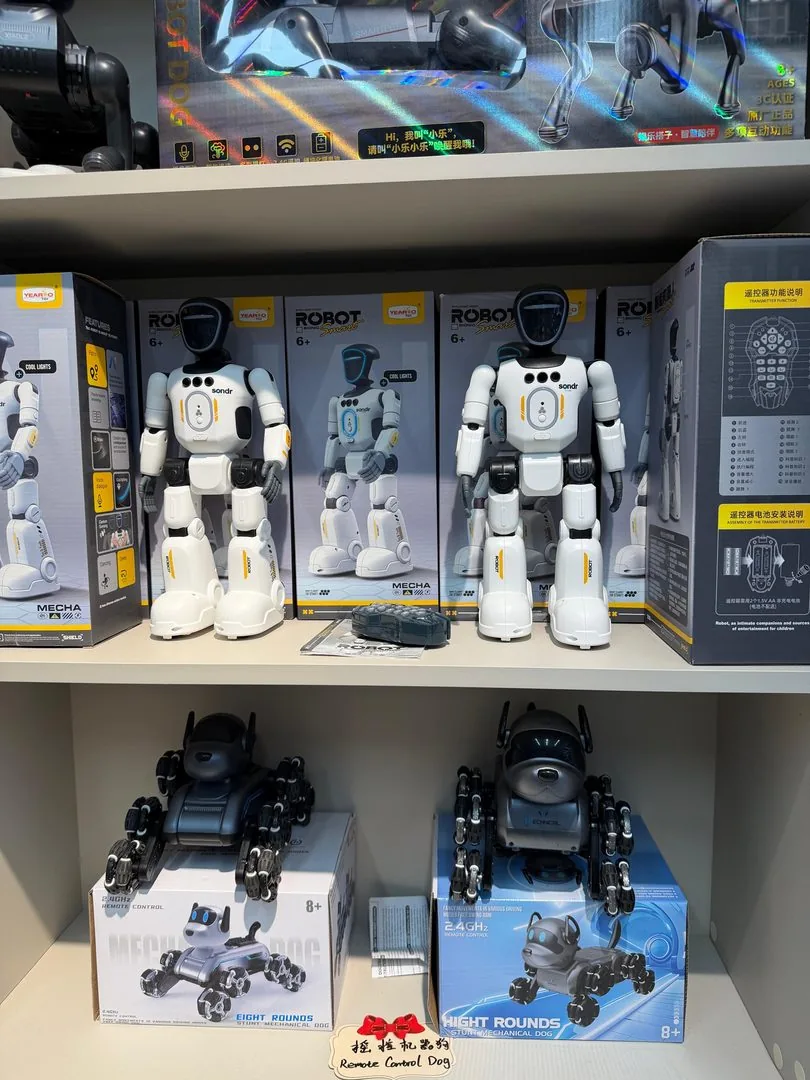
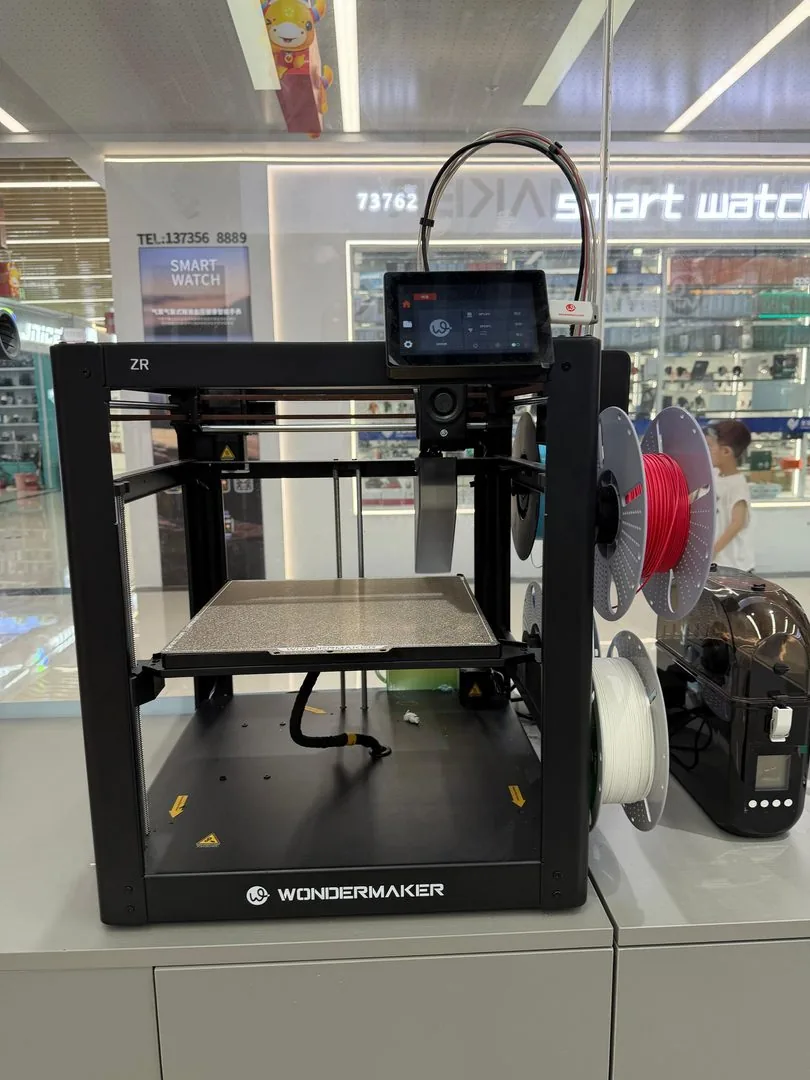
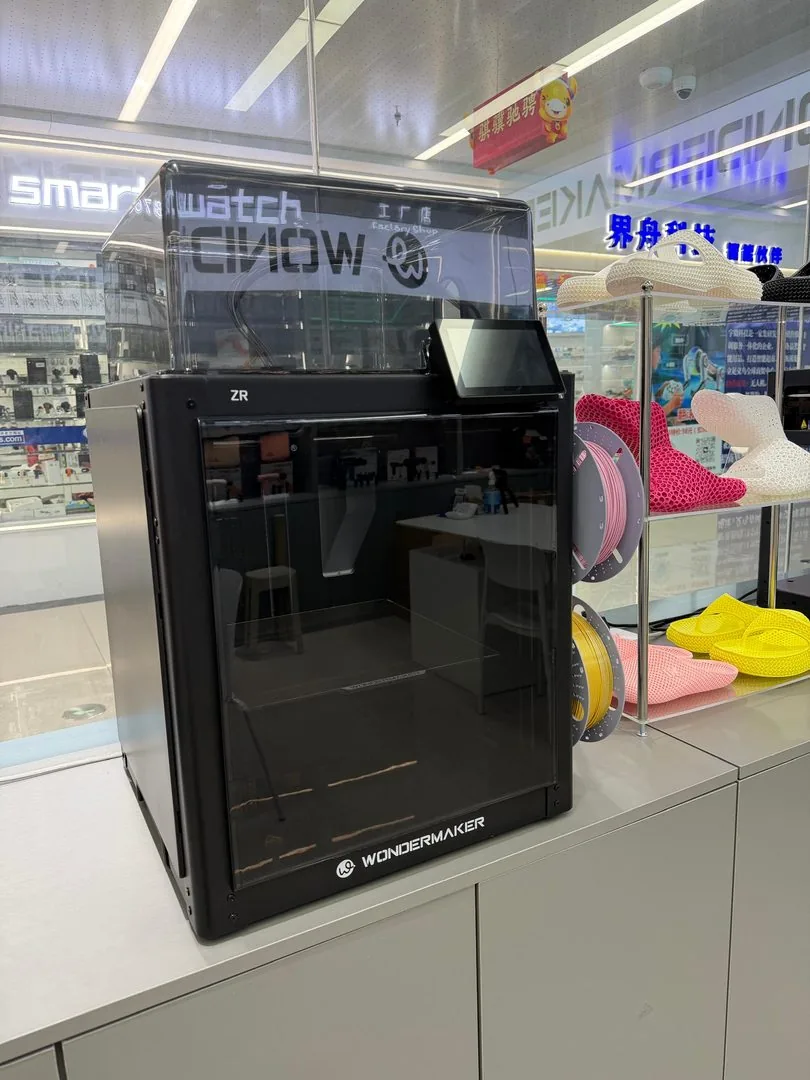
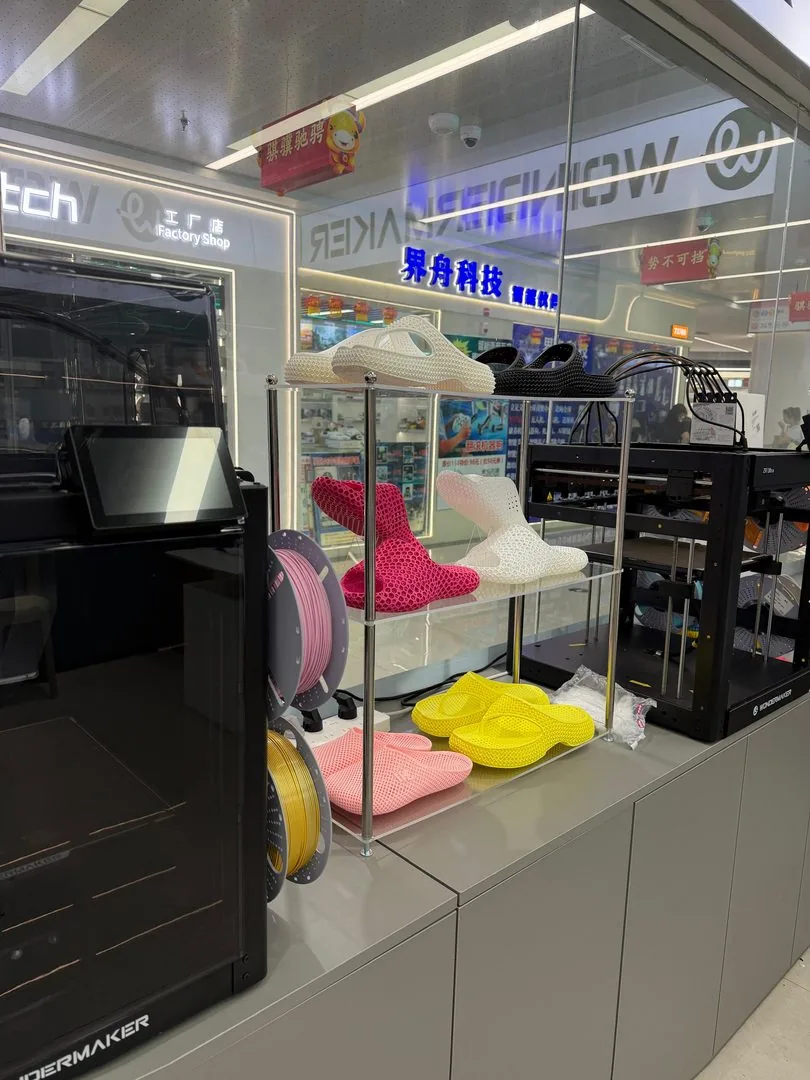
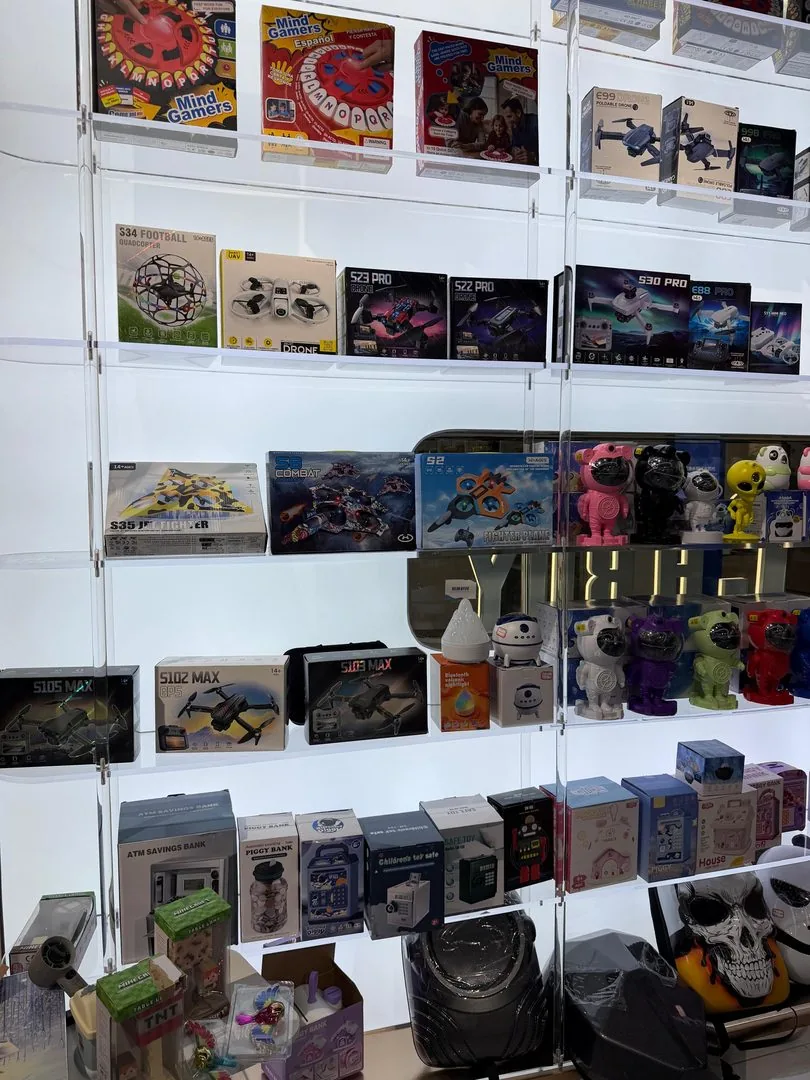
Photo: Alshumul team — During a visit with clients to technology and 3D printing markets in China