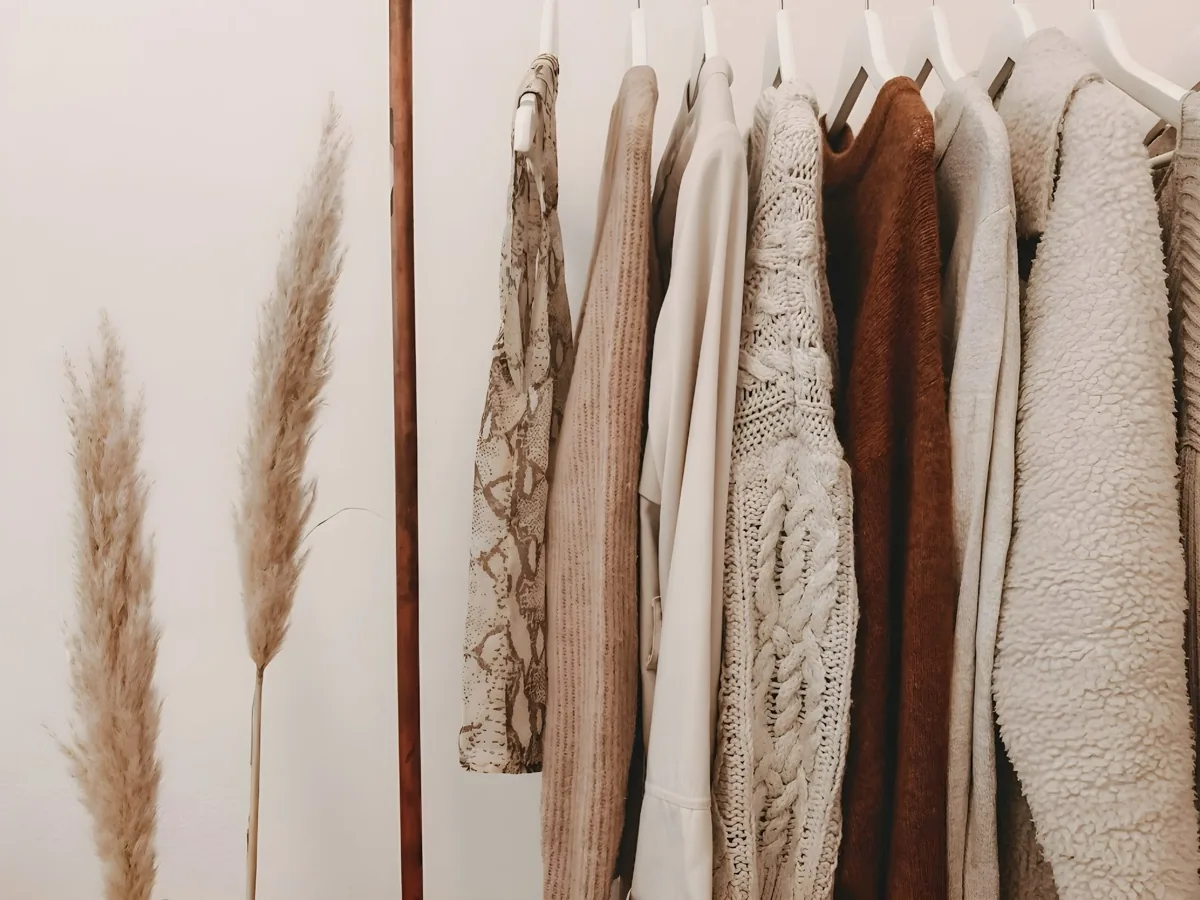
Clothing is the broadest import category from China, and the most tempting one for new importers: a beautiful sample, a low price per piece and an endless catalogue. But clothing is really a textile product whose quality is defined by figures, not by photos: fabric weight in grams per square metre, fibre percentages, the measurements of each size in centimetres with their permitted tolerances, colour fastness after washing, and the shrinkage rate. Anyone who does not write these figures into the purchase order receives what the factory decides, not what they decided.
This page covers men's, women's and children's ready-made clothing, sportswear and workwear. Footwear has its own Shoes and Military Boots page, belts, hats and backpacks are on the Accessories page, and scarves and shaylas are under Women's Accessories. Women's lingerie has a separate guide on the blog: Importing women's lingerie from China to Saudi Arabia.
Where is clothing made in China?
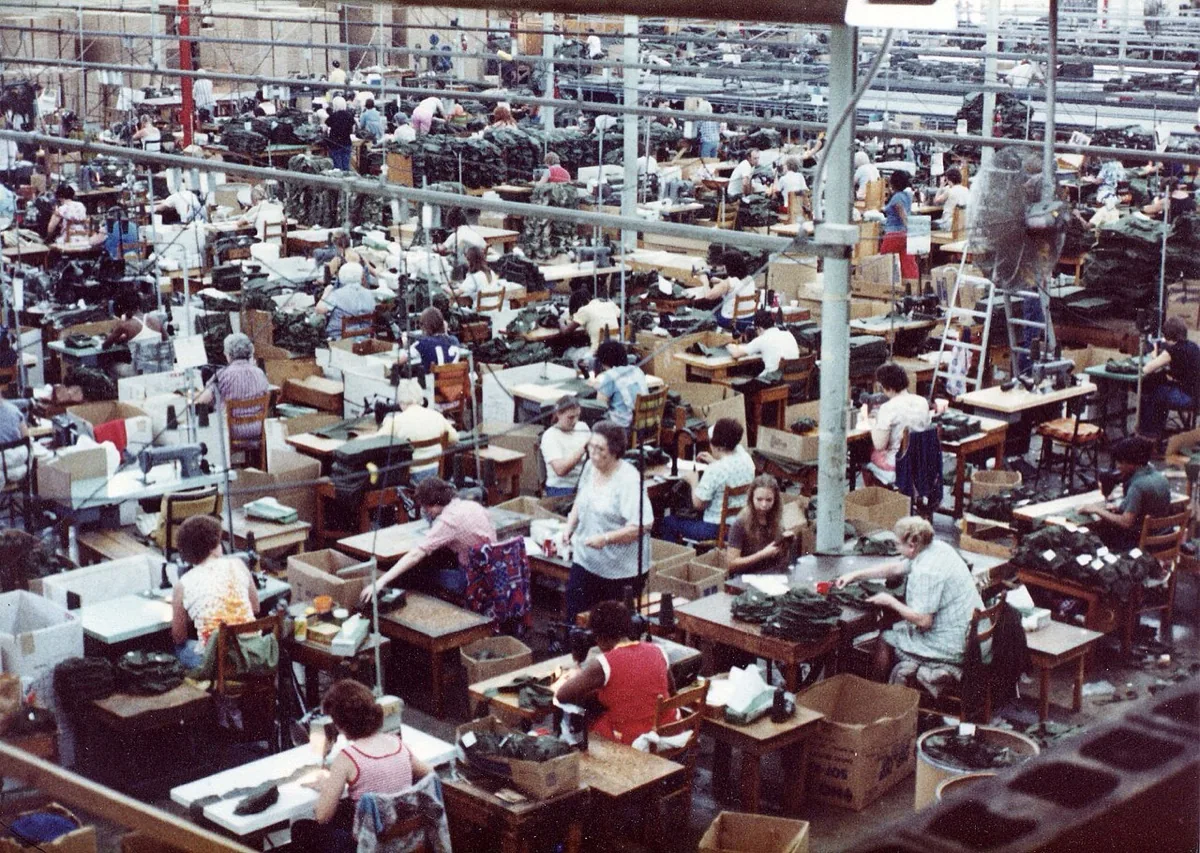
Ready-made clothing manufacturing is concentrated in three main coastal provinces — Guangdong, Zhejiang and Fujian — and each has a specialisation that shortens your search. Choosing the right region is not a geographical detail: a factory close to the fabric markets and to trim suppliers — zips, buttons and labels — is quicker with samples and more flexible when the order changes.
- Guangdong: Guangzhou is the centre for fast-moving women's fashion, wholesale markets and the major fabric markets; Humen, in Dongguan, is known for women's clothing; Shenzhen for higher-priced women's clothing; and Xintang, in Guangzhou, for denim.
- Zhejiang: Hangzhou for women's fashion and wholesale markets; Shaoxing — and its Keqiao district — has one of the largest fabric markets in the world; Ningbo for men's suits and shirts; and Zhili, in Huzhou, for children's clothing.
- Fujian: Jinjiang and Shishi, around Quanzhou, for sportswear and men's casual wear, with factories that produce for well-known sports brands.
Jiangsu has other hubs, such as Changshu for casual wear and padded jackets. The practical rule: look for the factory in the region that specialises in your product, then check that it really is a factory and not a wholesale shop reselling goods, as explained in the guide How to find a reliable supplier in China.
Which types of clothing are imported, and what fabric does each use?
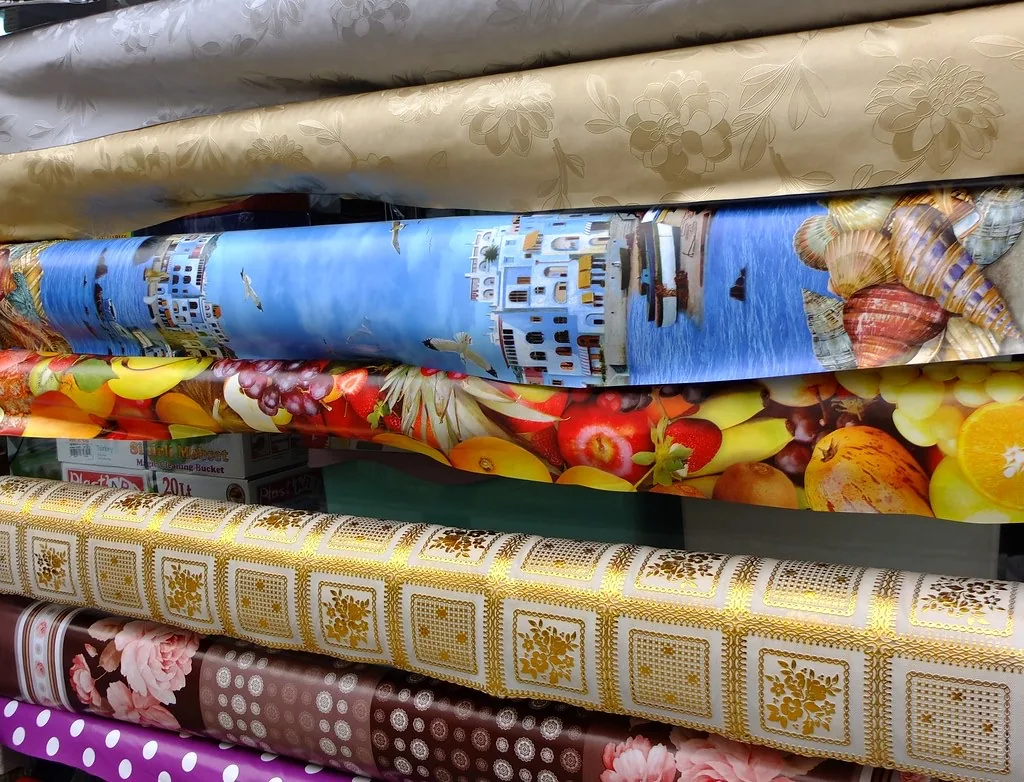
Each clothing category has a usual fabric and a known weight range, and knowing them tells you straight away whether a quotation is based on a lighter fabric than you expect. The following table is for guidance, not for contracts, because the figures vary by style, season and market:
| Category | Usual fabric | Approximate weight | Main production regions |
|---|---|---|---|
| T-shirts and polo shirts | Cotton or cotton-polyester jersey, and piqué for polo shirts | 140–220 GSM | Guangdong, Fujian |
| Hoodies and light winter wear | Fleece or French terry | 280–400 GSM | Fujian, Guangdong |
| Performance sportswear | Polyester with elastane, with moisture-wicking properties | 130–220 GSM | Fujian (Jinjiang) |
| Dress shirts | Cotton or blended poplin or Oxford | 100–130 GSM | Zhejiang (Ningbo), Jiangsu |
| Jeans | Cotton denim, or denim with elastane | 10–14 oz per square yard | Guangdong (Xintang) |
| Dresses and women's fashion | Chiffon, crepe, viscose, satin | 50–200 GSM | Guangzhou, Humen, Hangzhou |
| Children's clothing | Cotton jersey, interlock | 150–220 GSM | Zhejiang (Zhili), Guangdong |
| Workwear | 65/35 polyester-cotton twill, or 100% cotton | 200–300 GSM | Spread across several provinces |
The difference between a “160 T-shirt” and a “200 T-shirt” cannot be seen in a photo, but it can be felt in the hand, in the wash and in the price. So if you receive two quotations with a large gap between them, the first question to ask is: what is the GSM? Very often, the answer accounts for the whole difference.
Which specifications should be agreed in writing?
Everything that can be measured should be written as a figure in the purchase order and tied to a signed approved sample, because “excellent quality” is not a specification on the basis of which a shipment can be rejected. The minimum for clothing:
- Fabric weight with its tolerance: for example 180 grams per square metre ±5%, measured with a standard circular cutter on the production fabric itself, not taken from the factory's data sheet.
- Fibre percentages: “60% cotton and 40% polyester”, not “cotton”. The stated percentages must match reality, because some markets allow only a limited manufacturing tolerance — in the European Union, for example, 3% of the total fibre weight.
- Fabric type: knitted or woven. This is not merely a technical difference: it determines the customs chapter, because knitted garments fall in Chapter 61 of the Harmonized System and woven garments in Chapter 62.
- Shrinkage after washing: an agreed maximum — often 3% for woven and 5% for knitted fabrics — together with the test method, such as ISO 6330 for the washing procedure and ISO 5077 for measuring dimensional change.
- Colour fastness: a grade usually no lower than 3–4 on the grey scale (1 to 5) for washing under ISO 105-C06, for dry and wet rubbing under ISO 105-X12, and for perspiration under ISO 105-E04 in garments worn next to the skin.
- Pilling: an acceptable grade under ISO 12945, because pilling is what most often ruins cheap fleece and knitwear after a few weeks of wear.
- Trims: zip type and brand, buttons and how they are attached, thread type, and labels — all by name, not by description.
- Restricted substances: fabrics free of banned azo dyes, and compliance with limits on formaldehyde and pH, backed by a report from an independent laboratory.
How do you set a size chart and its permitted tolerances?
With a chart of measurements in centimetres for each size and each measurement point, and a written permitted tolerance for each point — not with the letters S, M and L alone. An “L” at a Chinese factory may be equivalent to an “M” in your market, and sizes differ from one factory to another, and even from one batch to another at the same factory if they are not controlled.
The basic measurement points for a top are chest width at a fixed distance below the armpit, length from the highest point of the shoulder, shoulder width, sleeve length and hem width. For trousers, they are the waist, hip, inside leg length and leg opening width. The usual industry tolerance is ±1 cm for small points such as the shoulder and sleeve, and ±1.5 to 2 cm for the chest and length — figures for guidance that are set according to the fabric, because stretchy knitted fabric can take a wider tolerance than woven fabric.
Then there are three practices that protect you:
- Ask for a size set — one piece in each size — and measure it yourself before approving production.
- Set the size curve according to your market's actual proportions, not an even split that leaves you with slow-moving sizes.
- Make sure pre-shipment inspection measures pieces from every size against the chart, not random pieces from a single size.
What labelling is mandatory on imported clothing?
Many markets require a sewn-in label showing the fibre percentages, usually together with the country of origin, care instructions and size, and the right approach is to prepare the label before production, not after the goods arrive. The European Union requires fibre composition to be stated under a dedicated textile regulation, the United States has rules on fibre content and care instructions, the Gulf states require product information in Arabic, and in Saudi Arabia textiles are subject to technical requirements under the system of the Saudi Standards, Metrology and Quality Organization (SASO) and pass through the SABER platform.
Do not treat this as one-size-fits-all: the requirement depends on how the product is classified and on the destination country, and it changes from time to time, so check it with the competent authority or your customs broker before production. The elements that recur in most markets:
- Fibre percentages under their recognised generic names (polyester, elastane, viscose), not trade names.
- Care and washing symbols under ISO 3758, preferably with written text as well.
- Country of origin, size, and the name of the importer or brand owner.
For the general rules on labels and barcodes, see Packaging, labelling and barcodes, and for conformity certification routes in different markets, see Product certifications: SASO/SABER, ECAS and CE.
What requirements apply to children's clothing and workwear?
These two categories go beyond quality into safety, and each has its own standards that must be stated explicitly in the contract.
- Children's clothing: cords and drawstrings in the head and neck area are restricted or prohibited for young children under standards such as EN 14682; buttons and small decorations must withstand pulling so that they do not come off and get swallowed; lead limits for prints and metal parts are stricter than for adult clothing; and children's nightwear is subject to flammability requirements in some markets.
- Workwear: high-visibility clothing is covered by EN ISO 20471 and clothing that protects against heat and flame by EN ISO 11612, and in many markets these count as personal protective equipment that needs certification and testing, not just a description. Ordinary workwear — coveralls, and company shirts and trousers — is specified by the twill fabric and its weight, and by the colour fastness of the embroidered or printed logo after repeated industrial washing.
What are the common risks in importing clothing, and how are they avoided?
Most losses on clothing do not come from a fraudulent factory, but from a difference between the sample and production that was not controlled by figures. The most frequent:
- Fabric lighter than the sample: the sample is approved at 200 grams and production comes in at 170. The remedy is a written weight with its tolerance, measured during inspection.
- Shade differences between batches: every dye lot comes out in a slightly different shade. The remedy is approving a lab dip before the fabric is dyed, and requiring that two dye lots of the same colour are not mixed within the order.
- Shrinkage after the first wash: it shows up at your customer's, not at your end. The remedy is a written shrinkage limit and testing the fabric before cutting.
- Incorrect fibre percentages on the label: “100% cotton” on a blended fabric — this is a labelling violation, not just a quality defect.
- Protected logos and designs: clothing that carries trademarks or licensed artwork without permission is liable to seizure. See Protecting your brand and intellectual property.
- Moisture and mould: fabric packed while still damp after steam pressing can go mouldy on a long sea voyage. The remedy is thorough drying before packing and suitable desiccants in the cartons.
- Seasonal timing: summer clothing that arrives in autumn sells at a discount, and the Chinese New Year holiday shuts factories for weeks, so plan around it, as described in Production scheduling around Chinese New Year.
What is the minimum order quantity for clothing?
It depends on where the fabric comes from: styles made from ready, in-stock fabrics usually start from a few hundred pieces per style, while fabric dyed in your own custom colour may carry a minimum of hundreds of metres or more per colour. The minimum is not arbitrary: it reflects the fabric mill's minimum, the dye lot minimum and the cost of setting up the sewing line, and it varies a great deal between factories, so the figures here are for guidance, not for contracts.
The most useful ways to reduce it are to choose standard, in-stock fabrics and colours, to spread the quantity over fewer colours, and to accept the factory's size chart with limited adjustments. The details are in Minimum order quantity and how to negotiate it, and if you are building your own brand, see Private label, OEM and ODM.
How is clothing shipped from China?
Clothing reaches the volume limit long before the weight limit, so its shipping cost is calculated by the cubic metre, and the most suitable container is usually a 40-foot high cube (40HQ), with a nominal capacity of about 68 cubic metres. A container full of clothing cartons comes nowhere near its weight limit, and you pay for every extra centimetre in the carton dimensions.
- Folded packing: garments folded in individual bags inside double-wall cartons, with dimensions set so that they stack without gaps.
- Garments on hangers (GOH): for suits and dresses that cannot be folded, in containers fitted with hanging rails — more expensive, but they arrive ready for display.
- Vacuum compression: for padded jackets and filled garments, it reduces the volume considerably, bearing in mind that some fillings need time to recover their shape.
- Groupage: if the quantity is a few cubic metres, this is the natural choice; we explain how it works and what it costs in LCL groupage shipping, and the point at which to switch to a full container in the FCL vs LCL guide.
Packing clothing without desiccants for a voyage through hot, humid regions exposes it to what is known as “container rain”: moisture that condenses on the container ceiling and then drips onto the cartons — a real risk, particularly for cotton fabrics.
How do you import clothing from China?
- Define the product in figures: category, fabric and its weight, fibre percentages, size chart in centimetres, colours, and the target market and its labelling requirements.
- Search in the specialist region and check that the supplier is a factory, not a wholesale shop; a factory audit before a large order is advisable.
- Request samples and test them: measure them, wash them, weigh the fabric, and compare the results with what you were promised.
- Approve the colour and fabric with a lab dip and a piece of the production fabric before cutting.
- Sign a detailed purchase order covering specifications, tolerances, labelling, packaging, delivery date and payment terms.
- Approve the pre-production sample and the size set, and keep a signed copy of each as the reference for inspection.
- Monitor production at cutting and midway through sewing, because a mistake caught early is corrected on a hundred pieces, not ten thousand.
- Inspect before shipment at an agreed acceptance level — see Pre-shipment inspection and AQL standards.
- Arrange shipping and review the documents: the invoice, packing list, goods description and HS codes must match, and conformity certificates must be ready before arrival.
Alshumul's role in importing clothing
Alshumul Commercial Services is an import and export company based in Guangzhou, at the heart of one of China's largest clothing manufacturing regions and fabric markets. What we handle for our clients in this category:
- Sourcing and verifying factories: in the region that specialises in your product, telling a factory that owns cutting and sewing lines apart from a wholesale shop that resells goods.
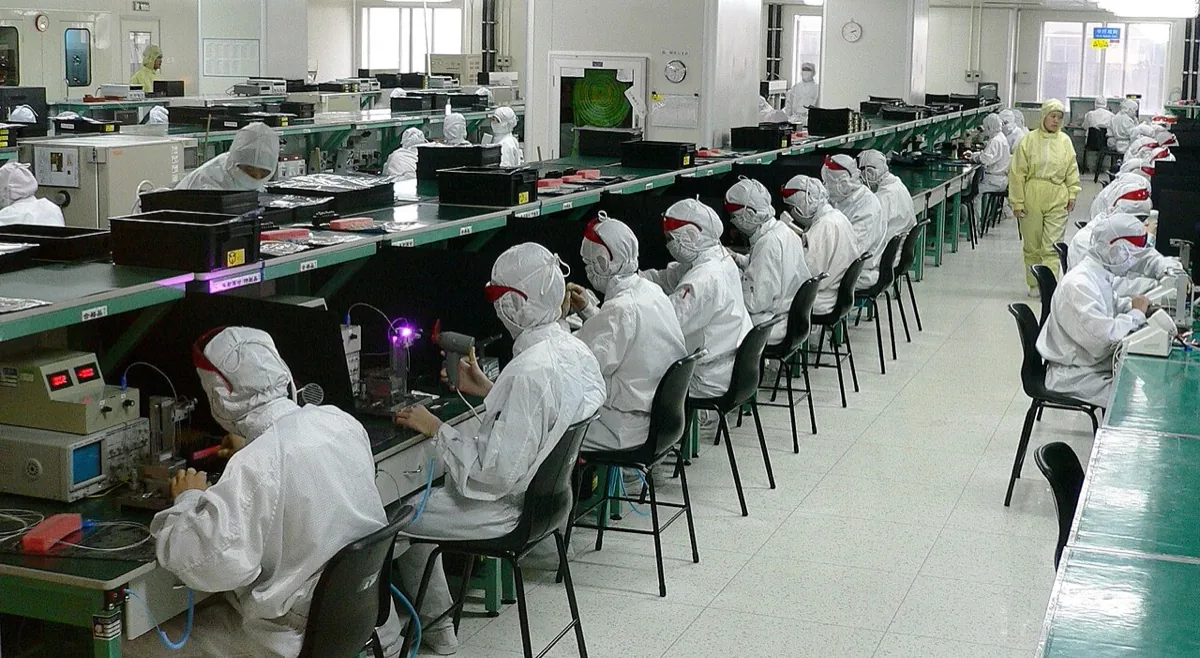
- Factory audits and visits: production lines and their capacity, where the fabric comes from, and whether the order is sewn in-house or passed to outside workshops.
- Requesting and following up samples: fabric, colour and size set samples, measured and compared with the specification before you approve them.
- Negotiating directly with the factory in Chinese: on the specification and its figures — fabric weight, fibre percentages, tolerances and labelling — and on price and minimum order quantity.
- Production monitoring and pre-shipment inspection: measuring pieces against the size chart and checking the colour, fabric and labels, with an illustrated report before loading.
- Arranging shipping: full container load or groupage through shipping lines and consolidators, reviewing documents before sailing, and following up until the port of discharge.
Customs clearance in the destination country and registration of the product in local conformity systems are handled by the importer or their customs broker, and we follow up with the factory to provide the product data and documents they need. To calculate your full landed cost, see The real cost of importing from China.