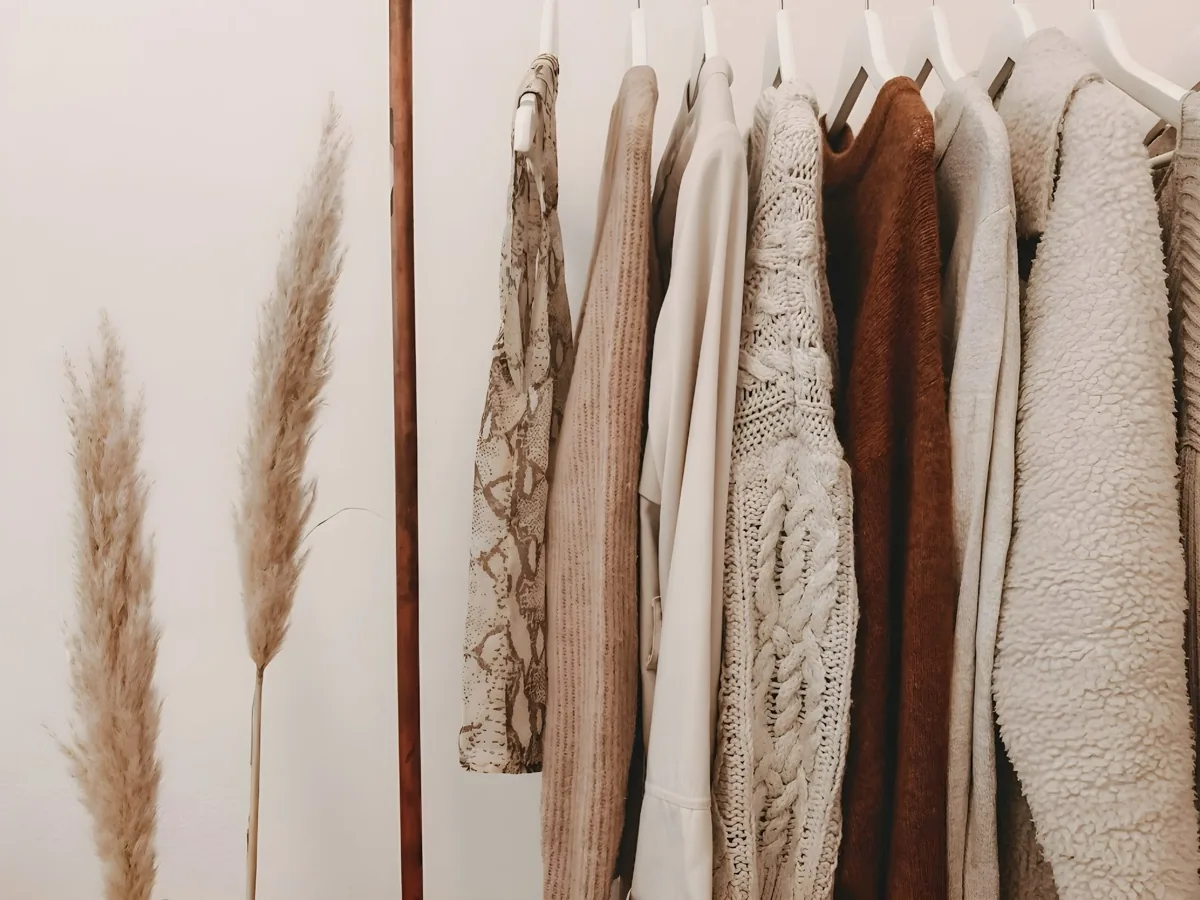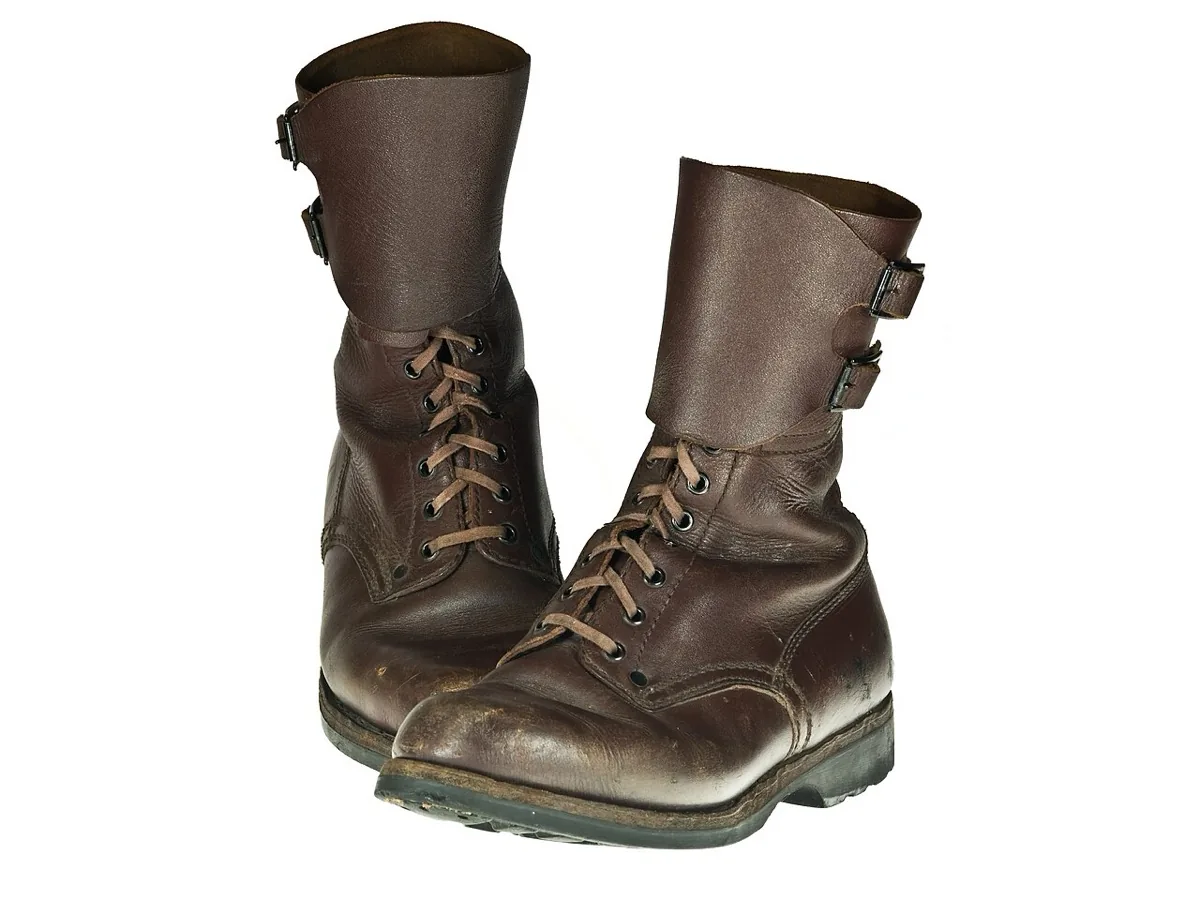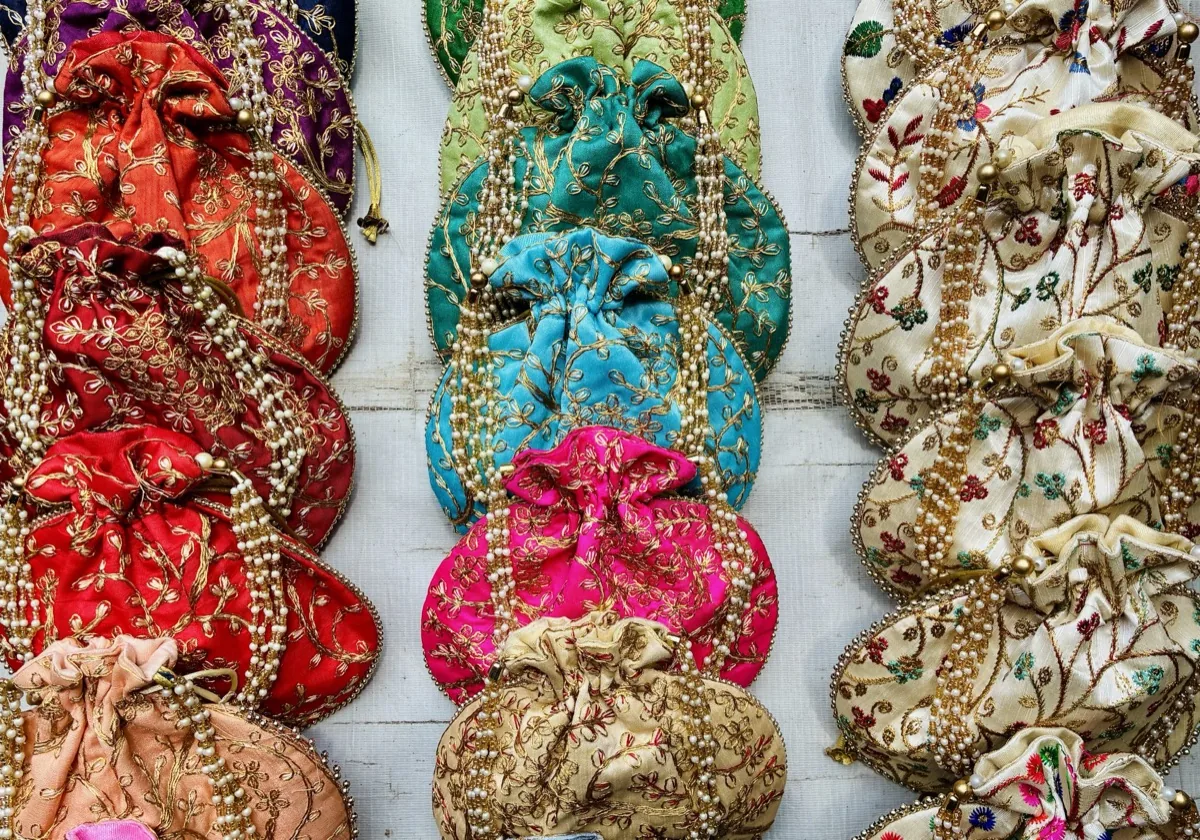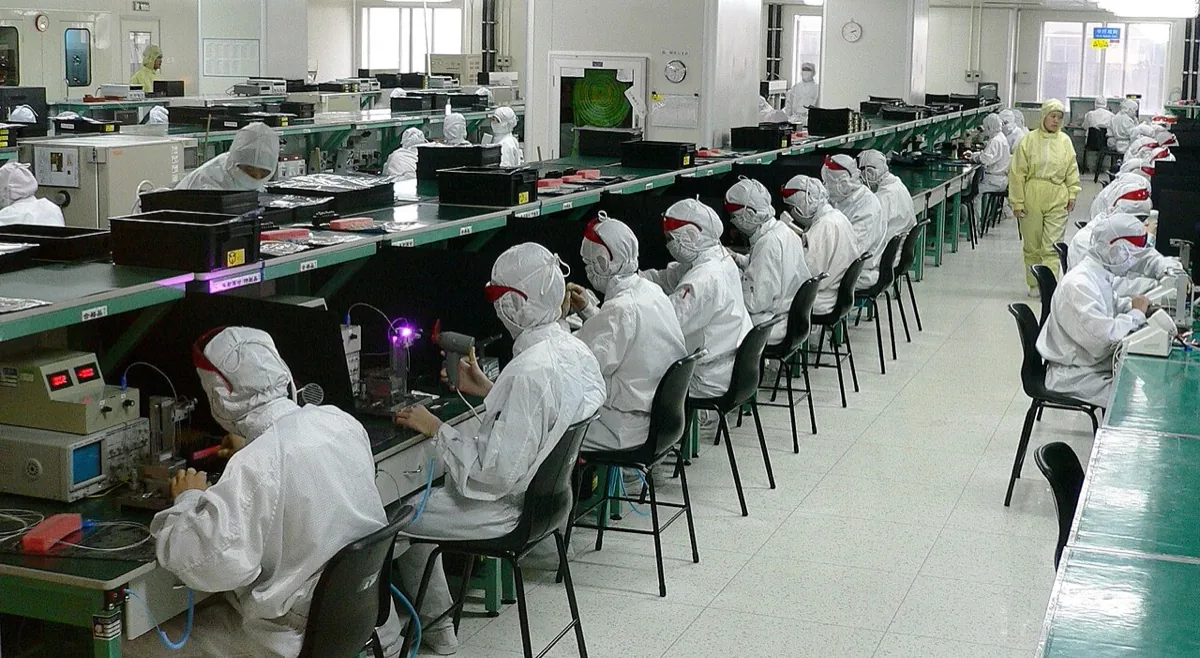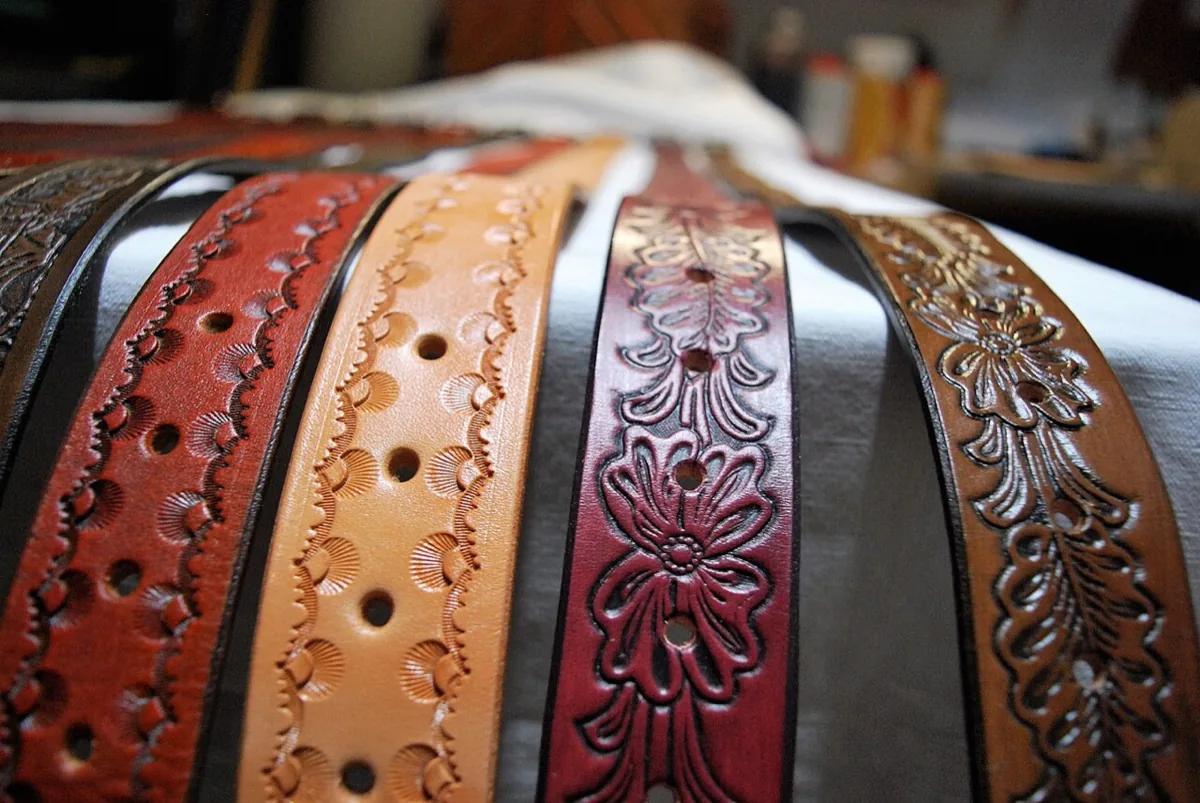
Accessories look like a simple category because the pieces are small and cheap, but they are in fact several different industries, brought together by the shop shelf rather than the production line. A watch is precision mechanical manufacturing; sunglasses are an optical product with a protection standard; belts and wallets are leather goods; a backpack is a textile product; a cap is embroidery and sewing; and a keyring is metal casting and plating. Each has its own factories, specifications and risks, and anyone who buys them all with the same logic ends up buying the worst of each industry.
This page covers general accessories for men and women: watches, sunglasses, belts, wallets, caps, backpacks and keyrings. Costume jewellery, hair accessories, women's handbags, scarves and women's watches have their own page, women's accessories, and phone accessories and chargers are under electronics.
Where are accessories made in China?
There is no single accessories capital, but specialised hubs for each item: Yiwu in Zhejiang for wide assortments, Shenzhen for watches, Xiamen, Wenzhou and Danyang for eyewear, and Shiling in Guangzhou for leather goods. The table below is a starting map for your search, not an exhaustive list:
| Item | Main production hubs | Key points for the specification |
|---|---|---|
| Watches | Shenzhen and Guangzhou | Movement, case material, crystal, water resistance and plating type |
| Sunglasses | Xiamen in Fujian, Wenzhou in Zhejiang, Danyang in Jiangsu, and Shenzhen | UV400 blocking, filter category, polarisation, and lens and frame material |
| Belts and wallets | Shiling in Guangzhou, and Yiwu | Leather layer, width and length, and buckle material and plating |
| Backpacks | Quanzhou and Xiamen in Fujian, and Baigou in Hebei | Fabric density in denier, waterproof coating, zips, and strap reinforcement |
| Caps | Yiwu and Guangdong | Fabric, embroidery type and density, closure, and head circumference |
| Keyrings | Yiwu, and Zhongshan and Dongguan in Guangdong | Metal or PVC, enamel type, plating thickness, and ring strength |
Yiwu is a special case: its international market displays tens of thousands of items in small quantities, so it suits a varied assortment from many suppliers. But a shop in the market is often a front for a factory elsewhere, or for several factories, so the sample on display is not enough evidence of production quality.
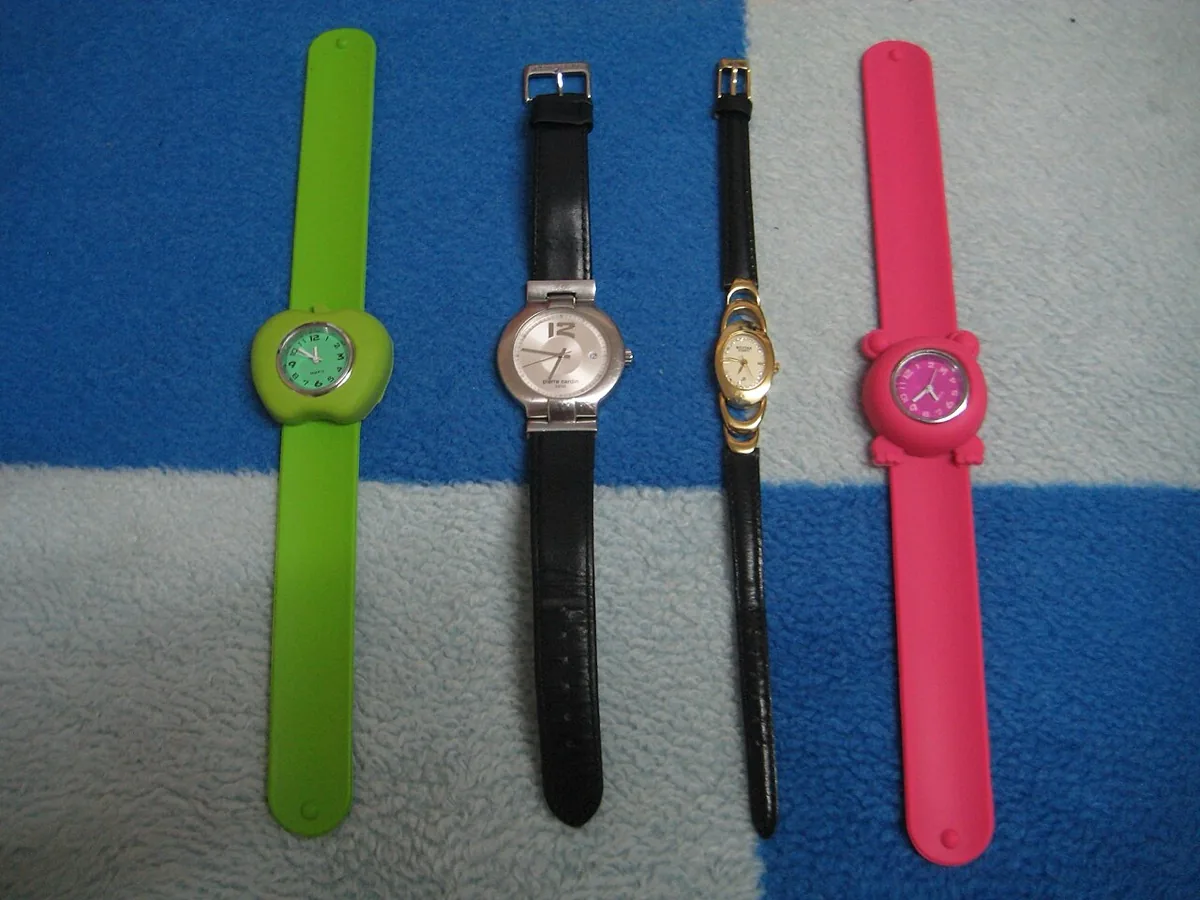
Which watch specifications should be written down?
A watch is described by its movement, case material, crystal type, water resistance in figures, plating and strap — and each of these has alternatives whose prices differ several times over.
- Movement: quartz from a well-known Japanese maker or a Chinese one, or automatic. State the movement's name and calibre, because an unknown movement is the first thing to fail and the first thing to be returned.
- Case: plated zinc alloy, the cheapest, whose weakness shows once the plating is scratched; 316L stainless steel; or titanium.
- Crystal: acrylic; mineral glass, the most common; or synthetic sapphire, which resists scratches and costs noticeably more.
- Water resistance: expressed as pressure and tested under ISO 22810. In common usage, "3 ATM" means resistance to splashes and hand washing, not swimming; "5 ATM" means light swimming; and "10 ATM" means swimming and snorkelling. The figure printed on the caseback must be backed by a pressure test on a sample from production.
- Plating: ion plating or PVD lasts much longer than ordinary electroplating; ask for the salt spray test result in hours.
- Battery: quartz watches usually run on small button cells, while smartwatches are closer to electronics because of their lithium batteries and wireless connectivity, and have different requirements.
Which standards apply to sunglasses?
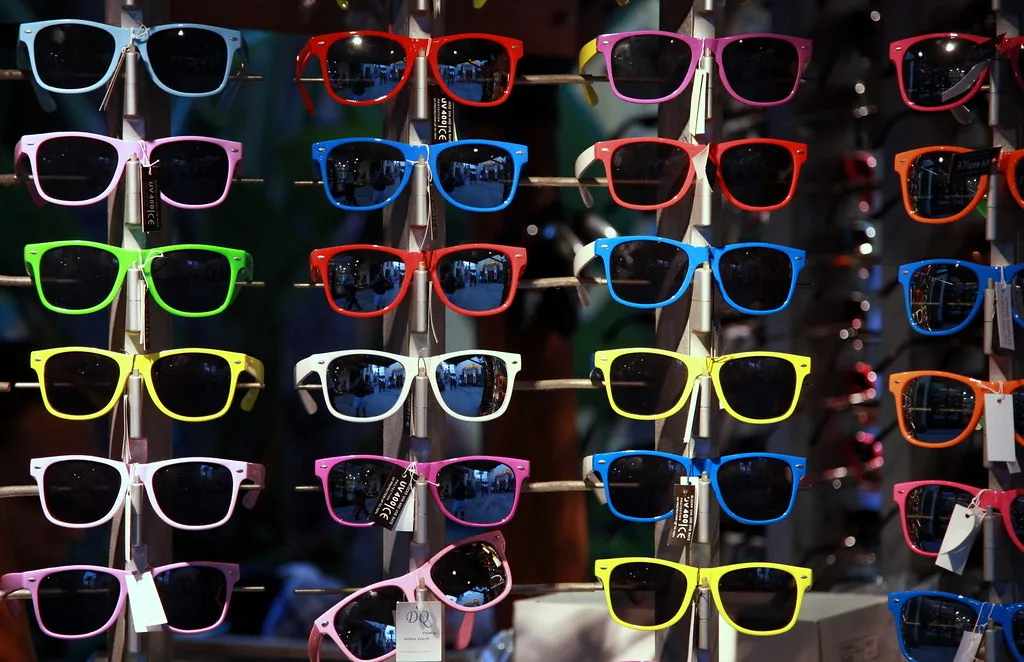
Sunglasses are an eye protection product before they are fashion, and what matters most is blocking ultraviolet radiation up to 400 nanometres (UV400) and the lens filter category under ISO 12312-1, not the lens colour or the frame shape.
- Filter category: from 0 to 4, according to the share of light transmitted. Category 4 is very dark, for the sea and mountains, and is not suitable for driving; this must be stated on or with the sunglasses.
- UV blocking: a "UV400" sticker is easy to print; verify it with a transmittance meter or a laboratory report. A dark lens without real blocking is more dangerous than wearing no sunglasses at all, because the pupil dilates behind it and lets more radiation in.
- Polarisation: polarised lenses reduce glare reflected off water and roads. This is a property separate from UV blocking, so one can be present without the other.
- Lens and frame material: impact-resistant polycarbonate, TAC, which is common in budget polarised lenses, or nylon. Frames in cheap PC, flexible and light TR90, acetate, or metal with spring hinges.
- Market requirements: in the European Union, sunglasses are treated as personal protective equipment and carry CE marking; in the United States, lenses must be impact-resistant, as shown by a drop ball test. The requirement depends on the destination country, so check it before production.
What determines the quality of belts and wallets?
Belts and wallets are judged by the actual leather layer, the buckle and the edges, not by the words "genuine leather" on the tag.
- Leather layer: full grain is the strongest, followed by top grain (corrected grain), then split leather, which is coated to look like the grain side, and then bonded leather, made from leather scraps and adhesive, which is the weakest even though it is sometimes marketed as leather.
- Size: belt width in centimetres — about 3 to 3.5 for formal belts and 3.8 to 4 for casual ones — and length measured from the buckle fold to the middle hole, not the full length of the strap.
- Buckle: plated zinc alloy or stainless steel, with a salt spray test for the plating, and nickel release limits in markets that restrict it: in the European Union, the limit is 0.5 micrograms per square centimetre per week for items in prolonged contact with the skin.
- Hexavalent chromium: it appears in chrome-tanned leather if tanning is not controlled, and is limited in Europe to 3 milligrams per kilogram.
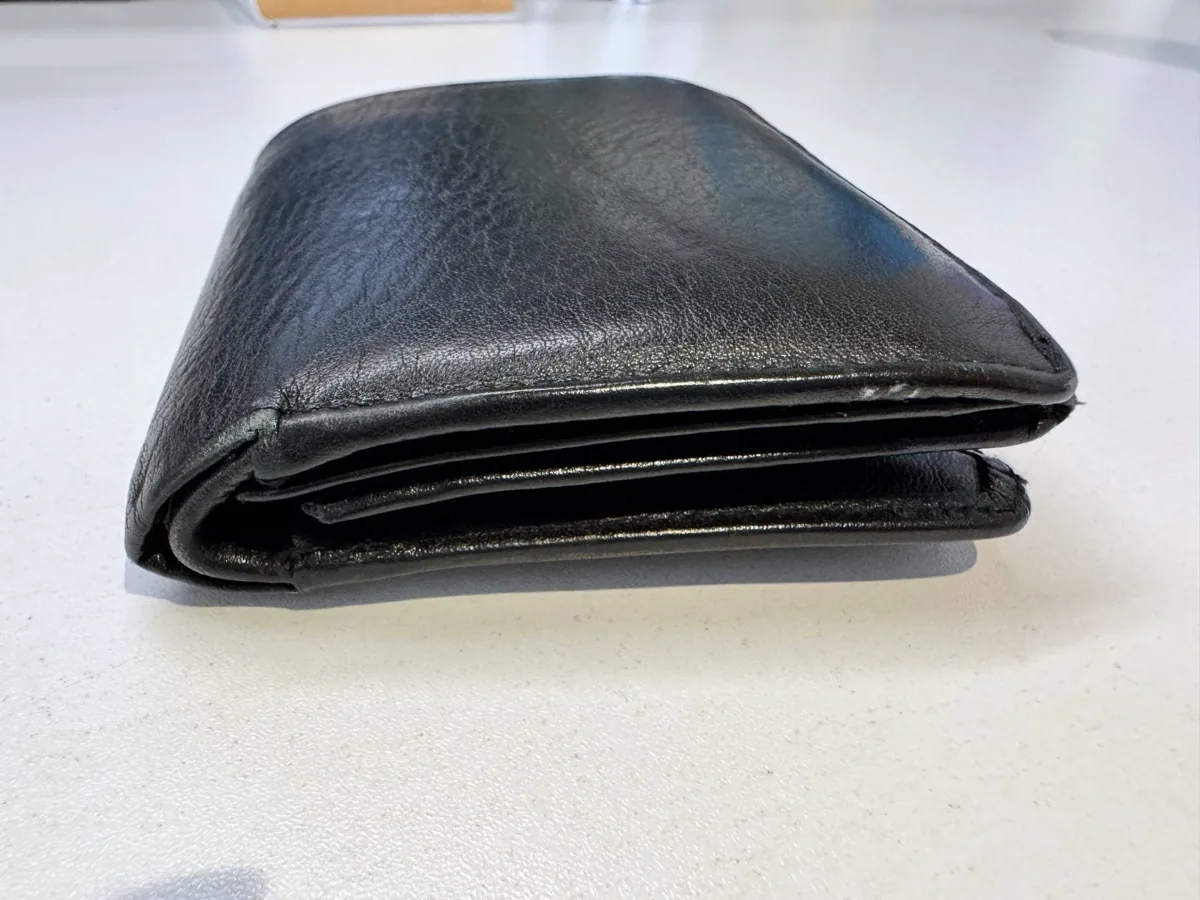
- Wallets: stitches per centimetre, edge paint that does not crack, and any "RFID blocking" claim, which needs a test, not a sticker.
What are the specifications for backpacks, caps and keyrings?
These are three different industries, and what they have in common is that the failure point is known in advance and can be written into the specification: the stitching of a backpack's straps, a cap's size and embroidery, and a keyring's plating and ring.
- Backpacks: fabric density in denier — 600D for budget bags, 900D or 1680D for tougher ones — with a PU or TPU coating for water resistance, zips of a named size and brand, reinforcement with dense stitching at the strap attachment points, and a load test with a set weight. If the backpack is for carrying a laptop, specify the compartment size in inches and the padding thickness.
- Caps: number of panels, fabric (cotton twill, polyester or mesh), embroidery type — flat or raised — and stitch count, type of back closure, head circumference — usually between 56 and 60 centimetres — and colour fastness to perspiration.
- Keyrings: cast zinc alloy, stamped iron or soft PVC, soft or hard enamel, plating thickness, and ring strength. If a keyring appeals to children, some markets impose strict limits on lead and cadmium, and it may be treated as a children's product, as with toys.
What are the common risks in importing accessories?
The biggest risk in accessories is counterfeiting, followed by plating that peels, then unproven claims, and then an order scattered across many suppliers.
- Counterfeits: watches, sunglasses, belts and caps are among the most counterfeited goods, and wholesale markets are full of them. A buckle that imitates a well-known logo, or a brand's distinctive pattern, can be enough for the shipment to be seized. Avoid any mark that is not yours, and register your own trademark before printing it — see protecting your brand and intellectual property.
- Plating: a watch, buckle or keyring whose plating peels after a few weeks. The remedy is a written plating type and thickness, plus salt spray and perspiration tests on production samples.
- Unproven claims: "UV400", "genuine leather", "5 ATM" and "RFID blocking" can all be tested, so ask for the test before you print them on your label.
- Scattered suppliers: an accessories assortment usually means a large number of suppliers, each with its own minimum order, quality and lead time. The solution is to inspect each supplier separately, then arrange consolidation of the orders with a specialist consolidator so they ship as one consignment with one file.
- Buying from wholesale markets without verification: the purchasing channels are compared in detail in Alibaba, 1688 and the Canton Fair.
What is the minimum order quantity for accessories?
Relatively low for ready-made items — from a few dozen to a few hundred pieces per model — and higher when you ask for your logo, a custom mould or a non-standard colour. A keyring to your design needs a casting mould paid for once; a watch with your logo needs a minimum quantity for printing the dials; and a belt with a custom buckle needs a buckle mould. The figures vary widely between factories, so they are for guidance, not for contracts. The details are in minimum order quantity and how to negotiate it, and for building your own brand see private label, OEM and ODM.
How are accessories shipped from China?
Most accessories are small and valuable relative to their weight, so small quantities ship as groupage or by air, and they only fill a full container in large orders or with backpacks, which use up volume quickly.
- Watches and sunglasses: high value in a small volume, so air freight becomes a logical option, insurance becomes essential, and sealed, tamper-evident packing is required.
- Backpacks and caps: they use up volume, so caps are stacked nested with their shape preserved, and backpacks are folded flat where possible without breaking their internal panels.
- Batteries: the silver oxide button cells in quartz watches are not usually classed as dangerous goods, but lithium batteries have their own shipping rules depending on type and capacity, and these are checked with the shipping line before booking.
- Consolidation: when an assortment comes from several suppliers, it is arranged into a single groupage shipment — we explain how groupage works and what it costs in groupage shipping (LCL), and how to choose between sea and air in sea freight vs air freight.
Accessories fall under different HS chapters: watches in Chapter 91, sunglasses in Chapter 90, wallets and backpacks in heading 4202, and caps in Chapter 65. The packing list must therefore itemise the goods rather than lumping them together as "accessories". Every piece needs individual packaging with a barcode and a fixed item code; otherwise receiving an assortment of hundreds of items becomes an endless sorting job — see packaging, labelling and barcodes.
How do you import accessories from China?
- Define the assortment and the specification for each item: movement and water resistance for watches, filter category and UV blocking for sunglasses, leather layer for belts, and fabric density for backpacks.
- Search in the specialist hubs and tell the factory from the wholesale shop, as explained in how to find a verified supplier in China.
- Check the destination country's requirements for each item — conformity, restricted substances and labelling — before production, and see SASO/SABER, ECAS and CE conformity certificates.
- Request samples from each supplier and test the claims that can be measured.
- Approve the samples and sign purchase orders covering specifications, packaging and barcodes.
- Follow production, especially plating, logos and embroidery.
- Inspect each supplier's order before shipping under AQL standards.
- Arrange consolidation of the orders with a specialist consolidator, then groupage sea freight or air freight depending on value and volume.
- Review the documents: a packing list itemised by product and HS code, before sailing.
Alshumul's role in importing accessories
Alshumul Commercial Services is an import and export company based in Guangzhou. Accessories are a multi-supplier category by nature, and this is exactly where a single party following the whole Chinese side proves its worth, instead of you following ten suppliers from a distance. What we handle:
- Finding and verifying factories in the specialist hubs for each item, and telling factories from wholesale shops or middlemen.
- Auditing and visiting factories when the order size justifies it.
- Requesting and following up samples from the different suppliers, and comparing them with the written specifications.
- Negotiating directly in Chinese with each supplier on specification, price and minimum order.
- Production follow-up and pre-shipment inspection for each supplier separately, with a photo report.
- Arranging shipping: arranging consolidation of the suppliers' orders with a specialist consolidator, then groupage or a full container load through shipping lines, reviewing documents before sailing, and following up until the port of discharge.
Customs clearance in the destination country, and legal advice on trademarks and their registration, are outside the scope of our service; we recommend reviewing both with specialists before ordering.