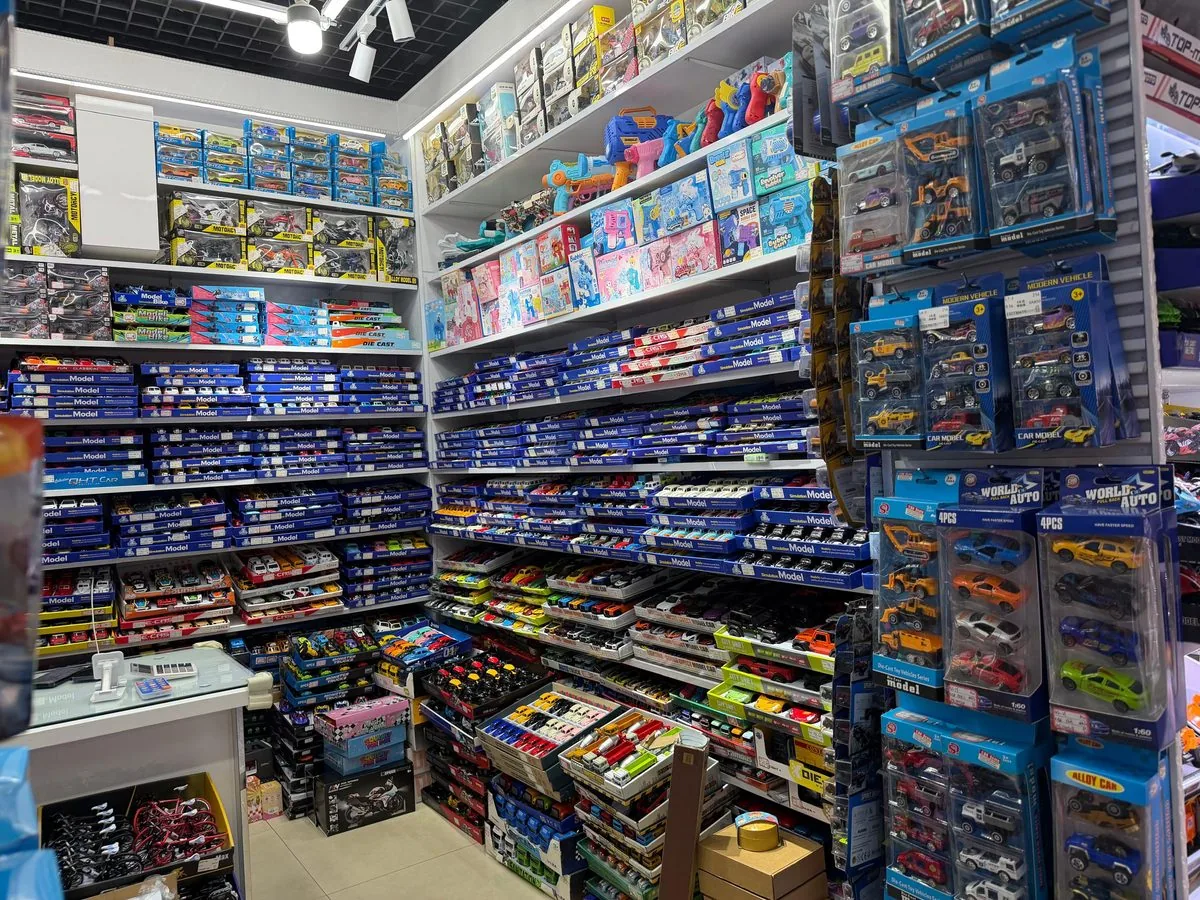
Plastic is not one material but a family of materials, and two parts that look identical can differ in everything that matters. One, made of virgin polypropylene, survives the dishwasher for ten years; another, made of a recycled blend, cracks in its first winter and gives off a smell when the carton is opened. Neither a photo nor an attractive sample reveals the difference. Only a written specification does, together with an inspection that compares production against what was approved.
This category also has a contract clause you will not find for most other goods: the mould. When you order a product to your own design, the factory makes a mould that you usually pay for, and then comes the question many people overlook until a dispute breaks out: who owns that mould? This page is a reference for plastic products in general — packaging and containers, plastic housewares, pipes and fittings, bags, and injection-moulded products. Plastic toys have their own page under toys, because children's safety governs them through separate requirements.
Which plastic products are imported from China?
Five main families, which differ in manufacturing process, material and certification: packaging and containers, plastic housewares, pipes and fittings, bags and films, and injection-moulded parts for other industries. The manufacturing process settles half the specification before you start:
- Packaging and containers: blow-moulded bottles in PET or HDPE, injection-moulded tubs and caps in PP, and thermoformed food containers and cups in PP, PET or PS.
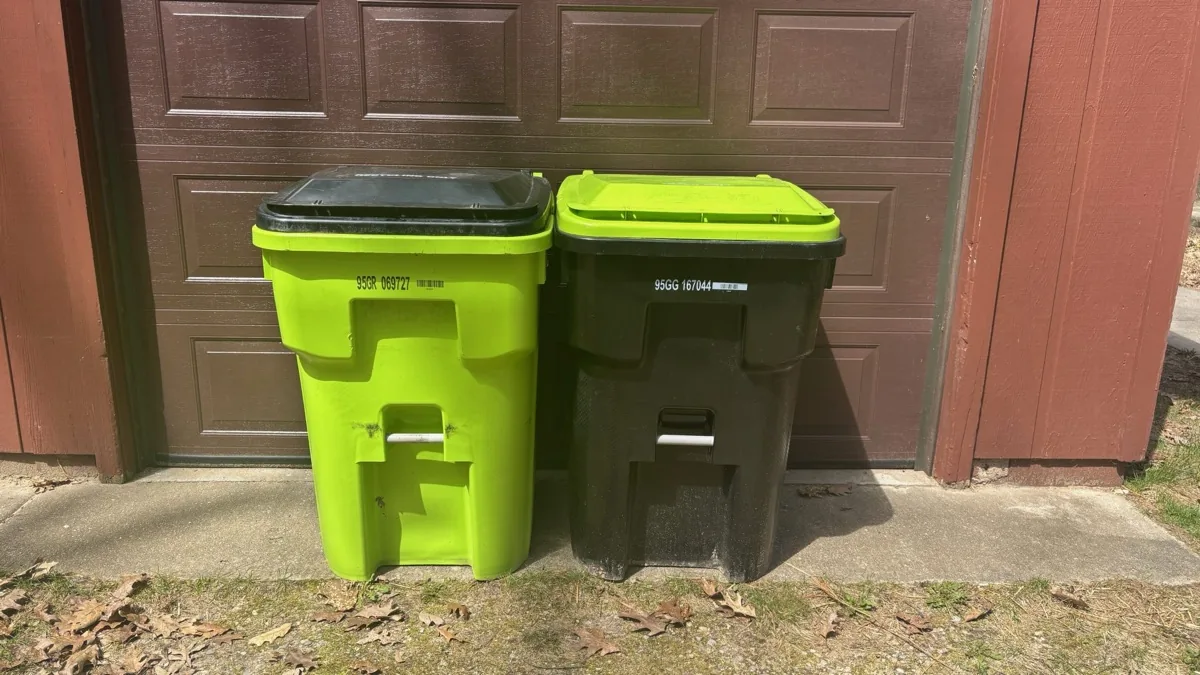
- Plastic housewares: buckets, baskets, storage boxes, kitchen utensils and hangers, mostly injection-moulded in PP. Items for the kitchen and home organisation overlap with the housewares page.
- Pipes and fittings: PVC-U pipes for drainage and supply, PE100 pipes for water and irrigation, and PPR pipes for hot and cold water. The pipes are extruded and their fittings injection-moulded.
- Bags and films: shopping and refuse bags in HDPE and LDPE, packaging bags, and wrapping films made by blown-film extrusion.
- Industrial injection-moulded products: appliance housings in ABS, technical parts in nylon or POM, and components for other industries ordered to engineering drawings.
Which polymer suits your product?
Choose the polymer according to what the product will actually be exposed to — heat, food, sunlight, impact and chemicals — not according to price or the factory's suggestion. The number inside the recycling triangle on the underside of a part indicates its type, but not its grade or its purity. Here are the most common polymers:
| Polymer | Recycling code | Properties | Common uses | What to watch for |
|---|---|---|---|---|
| PP — polypropylene | 5 | Relatively heat-resistant, light, chemical-resistant | Food containers, caps, buckets, kitchen utensils, storage boxes | Becomes brittle in severe cold unless it is a copolymer grade, and needs a UV stabiliser for outdoor use |
| HDPE — high-density polyethylene | 2 | Tough, resistant to chemicals and impact | Detergent and milk bottles, bags, PE100 pipes | Not transparent, and the pipe grade is entirely different from the packaging grade |
| LDPE — low-density polyethylene | 4 | Flexible and soft | Films, soft bags, squeezable containers | Poor heat resistance, and thickness in microns is a key clause |
| PET — polyethylene terephthalate | 1 | Transparent, good gas barrier | Water and beverage bottles, clear jars | Unsuitable for hot filling except in heat-set grades, and deforms at high temperatures |
| PVC — polyvinyl chloride | 3 | Rigid or flexible depending on additives, weather-resistant | Pipes, fittings, profiles, hoses | Stabilisers and plasticisers: require it to be lead-free and check for phthalates; rarely used for food contact |
| ABS | 7 | Rigid, glossy surface, easy to paint | Appliance housings, technical parts, hard-shell cases | Not usually a food contact material, and electrical appliances require a flame-retardant grade |
| PS — polystyrene | 6 | Cheap, clear or white | Single-use utensils and cups | Many markets have restricted its single-use products, so check before ordering |
The table is for guidance, not for contracts: each polymer comes in dozens of grades, and a proper specification names the commercial grade of the resin and its producer, not just the polymer.
Which food contact certificates do plastic containers need?
Packaging that touches food needs a test report from a third-party laboratory on the finished product itself, under your market's standard: FDA 21 CFR in the United States, EU 10/2011 with the EC 1935/2004 framework in Europe, LFGB in Germany, and GB 4806.7 in China. In the Gulf states, check the requirements of the competent food authority, such as the Saudi Food and Drug Authority (SFDA) in Saudi Arabia. The requirement depends on how the product is classified and on the destination country, so verify it before production.
- Test the product, not the material. A resin supplier's certificate that its material is food grade is not enough, because pigments, additives and processing conditions change the result. Ask for a report on the finished part, in its colour.
- Test conditions must match use. A microwave container is tested at a different temperature from a container for cold storage. We explain the logic of migration testing and how to read its conditions in importing paper cups from China, where the plastic coating is what touches the drink; the same logic applies here.
- Recycled material is usually ruled out. Many markets do not accept recycled plastic for food contact unless it comes from recycling processes approved for that purpose, so require virgin material in writing.
- Restricted substances. Check for phthalates in flexible plastics, for BPA in polycarbonate, which many markets have restricted, and for heavy metals in pigments.
- The report in the name of the factory that produces for you. Not in the name of a sister company, and not for a similar product.
For Gulf regulations and conformity certificates in general, see import conformity certificates: SASO, SABER and ECAS.
Who owns the mould for plastic products made to your design?
Whoever the contract names as owner, not necessarily whoever paid for it. If you have not established your ownership of the mould in writing, you may find it producing for a competitor, or the factory may refuse to hand it over when you want to move production. A mould can cost anything from a few thousand dollars for a simple part to tens of thousands for a multi-cavity hot-runner mould, so it is a genuine business asset, not a passing expense.
These are the clauses to write into the purchase order before the mould is made:
- Explicit ownership: the mould belongs to the buyer, with its number and photos once it is made, and it may not be used to produce for anyone else.
- Right of transfer: the buyer may withdraw the mould at any time once it has been paid for, and the notice period is stated.
- Mould technical specification: the number of cavities, the type of steel (P20 or 718 for medium service life, H13 or S136 for long service life or more demanding materials), and the expected life in number of cycles.
- Maintenance: who is responsible for maintaining and repairing the mould, and who bears the consequences if it is damaged.
- First trial samples (T1): production does not start before the mould samples are approved in writing, and modifications to the mould to correct its defects are at the factory's expense.
- Mould cost refund: some factories refund all or part of the mould cost once a set order quantity is reached, and this is negotiable.
Owning the mould does not protect your design on its own; protecting the shape and the brand is an intellectual property matter we cover in protecting your brand when manufacturing in China. This is practical guidance, not legal advice: for binding wording in your country, consult a lawyer.
Which specifications go into a contract for a plastic product?
The most important are the part weight in grams, the material grade and its virgin content, and the colour by Pantone number with a reference sample, because these three are what get changed quietly after the sample is approved. A factory that cuts the weight of a bucket from 420 grams to 380 saves about 10% of the material, and the importer notices only when the handles crack.
- Material: the polymer, its commercial grade and producer, the virgin content, and a ban on blending in recycled material except at a written percentage.
- Weight: part weight in grams with a small tolerance, since it is the quickest indicator of a change of material or a thinner wall.
- Dimensions and wall thickness: by drawing or by written measurements, with tolerances.
- Colour: Pantone number and an approved colour plaque kept by both parties, because colour shifts from one batch of masterbatch to the next.
- Additives: UV stabiliser for outdoor products, antistatic agent where needed, and flame retardancy for appliances.
- Tests: drop test, load test for buckets and boxes, leak test for containers, and odour test.
For pipes, add the standard (ISO 1452 for PVC-U pipes, ISO 4427 for PE pipes and ISO 15874 for PPR pipes), the nominal pressure rating (PN10 or PN16, for example) and the ratio of diameter to wall thickness (SDR). For bags, state the thickness in microns, the size and the load strength, and check the destination country's rules: some Gulf markets have required degradable additives in single-use products and some have restricted the bags themselves, and the rules change.
Where is plastics manufacturing concentrated in China?
Mainly in Zhejiang and Guangdong provinces: Yuyao, Ningbo, Taizhou and Yiwu in Zhejiang, and Dongguan, Shenzhen, Shantou and Foshan in Guangdong. Each city has a specialisation that saves you searching:
- Yuyao: home to China Plastics City, one of the largest markets for plastic raw materials, surrounded by many injection moulding factories.
- Ningbo: one of the world's largest centres for making injection moulding machines, with housewares and packaging factories, and a major export port.
- Taizhou — Huangyan: known as the mould capital, with plastic housewares factories.
- Yiwu: the small commodities market, suitable for ready-made items in small quantities, not for production to your design.
- Dongguan and Shenzhen: precision injection moulding, appliance housings and electronics.
- Shantou: plastic packaging, alongside the toy industry.
- Foshan: PPR and PVC pipes and their fittings, and housewares.
If you are considering making the product yourself in your own country instead of importing it, injection and blow moulding machines and extrusion lines are covered on the machinery and production lines page.
How are plastic products shipped: by weight or by volume?
Most plastic products reach the volume limit long before the weight limit, so they are usually shipped in 40-foot high-cube containers (40HQ), and a shipment's success is measured in pieces per cubic metre, not per tonne. A container full of empty buckets or bottles may weigh no more than a few tonnes, while its weight capacity is several times that.
- Nesting design: a bucket with tapered sides fits into the one below it, and a box with a separate lid nests without its lid. This is a design decision taken before the mould is made, and it can multiply the number of pieces per container several times over, so raise it with the factory at the start, not after production.
- Pipes: smaller diameters are slid inside larger ones to use the space, and 6-metre pipes do not fit in a 20-foot container, whose internal length is about 5.9 m, so they need a 40-foot container or a shorter length.
- Heat: summer heat inside the container can deform thin-walled bottles and caps, and heavy stacking on top crushes them. Ask for cartons with suitable compression strength and a stacking height limit.
- Bags and films: denser than hollow parts, but they rarely reach the weight limit in a 40-foot container.
Groupage (LCL) is charged by the cubic metre, so it is expensive for light, bulky goods; read groupage shipping (LCL): advantages and drawbacks before you book a small quantity. The number of pieces per container is calculated from the actual carton dimensions, not from a general estimate, and the figures here are for guidance, not for contracts.
What are the common risks in importing plastic products, and how do you avoid them?
The most serious is a change of material after the sample is approved — blended recycled material, a cheaper grade or a thinner wall — and all of these show up when you weigh the part and compare it with the reference sample. These are the recurring risks:
- Recycled material: a dull or greyish colour, black specks, odour and brittleness. The remedy is to require virgin material in writing and keep a sealed approved sample.
- Short weight: weigh a random sample from production and compare it with the agreed weight.
- Colour variation between batches: an approved colour plaque, and matching under standard lighting during inspection.
- Moulding defects: flash along the parting lines, short shots, shrinkage and warping, and weak weld lines. Define them in the inspection criteria and set their acceptance levels.
- Odour: a sign of poor material or additives, and in food containers reason enough for rejection.
- Mould disputes: avoided with the ownership clauses above, before payment rather than after a dispute.
- Minimum order quantity: every colour and every design is a separate machine run, so a lot of variety in small quantities raises the price. Negotiation is covered in detail in minimum order quantity and how to negotiate it.
How do you import plastic products from China?
In nine steps, the most important being that the polymer, ownership and weight are written down before the mould is made, and that inspection compares production with an approved sample, not a photo.
- Define the actual use: food or not, heat, sunlight, loads, chemicals — and choose the polymer from that.
- Check the destination country's requirements: food contact, restricted substances, rules on single-use products, and conformity certificates.
- Find the factory and verify it: the number of injection moulding machines and their clamping force in tonnes, whether it makes moulds in-house, and whether it is a factory or a middleman. See how to find a verified Chinese supplier.
- Write the specification: material and grade, weight in grams, dimensions, colour, additives, tests and packaging.
- Fix the mould terms if the product is to your design: ownership, cavities, steel, service life, maintenance and right of transfer.
- Approve samples: the first mould samples, then a pre-production sample in the final material and colour, and keep a sealed reference sample.
- Carry out food contact tests on the finished product in a third-party laboratory if the product touches food.
- Inspect before shipping: weight, dimensions, colour, moulding defects, odour, and drop and leak tests. See pre-shipment inspection and acceptance levels.
- Arrange shipping: calculate pieces per container from the carton dimensions, choose between a full container load and groupage, and review the documents before sailing.
Alshumul's role in importing plastic products
Alshumul Commercial Services is an import and export company based in Guangzhou, Guangdong — one of the two provinces where China's plastics industry is concentrated — and it works on the Chinese side of the deal, where material, mould and quality are decided.
- Finding and verifying factories: shortlisting injection moulding, blow moulding and extrusion factories that suit your product, and telling factories from middlemen.
- Factory audits and visits: inspecting the injection moulding machines and their tonnage, the mould workshop, the raw material store and quality control. See factory audit: what it is and why it matters.
- Negotiating directly in Chinese on specification, price, material grade and part weight, and on the mould terms, fixing them in writing in the purchase order.
- Requesting and following up samples: from the first mould samples to the approved reference sample.
- Production follow-up, comparing the first parts off the line with the approved sample.
- Pre-shipment inspection: part weights, colour matching, moulding defects, odour, and drop and leak tests, with a photo report.
- Arranging shipping — full container load or groupage through shipping lines and consolidators — reviewing documents before sailing, and following up until the port of discharge.
Alshumul does not provide legal advice on drafting ownership contracts, and does not handle customs clearance in the destination country. To calculate the landed cost per piece before pricing, see the real cost of importing from China.