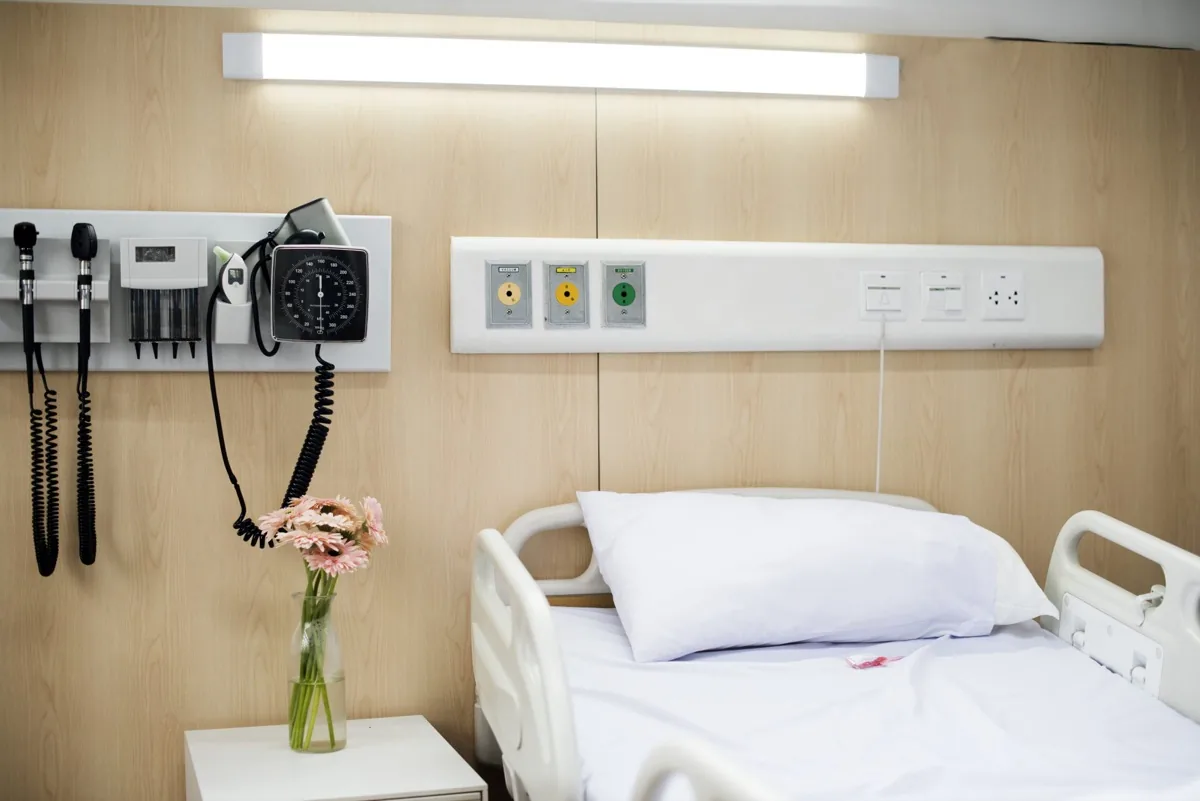
Medical equipment is not something you import first and find a permit for afterwards. It consists of medical devices by regulatory definition, registration is mandatory in almost every market before they can be placed on sale, and in many markets the importer itself needs a licence before importing a single device. A shipment that arrives before this process is complete is not treated as a late shipment but as a non-compliant one: it may be refused, or the importer may be required to re-export or destroy it at their own expense.
That is why this page starts with what must come before everything else: do not import a medical device before you have checked its regulatory pathway in the destination country — its classification, the competent authority, and what that authority requires of the device, the manufacturer and the importer. This page is general information about importing and manufacturing; it makes no therapeutic or medical claim about any device and is no substitute for the competent regulatory authority.
Does an importer of medical devices need a licence before importing?
In many markets, yes: the importing establishment itself must be licensed for medical device activities, each device must obtain a marketing authorisation or registration, and an authorised representative of the foreign manufacturer may have to be appointed within the market. In Saudi Arabia, the Saudi Food and Drug Authority (SFDA) regulates medical devices, and its pathway rests on licensing the establishment and a marketing authorisation for the device. In the European Union, the Medical Device Regulation requires an authorised representative for manufacturers outside the EU and places specific obligations on importers and distributors. In the United States, there is establishment registration and device listing, and premarket authorisation for many categories.
The caveat here is prominent and deliberate: these requirements vary by device and market and are constantly updated, and what is described above is a general framework for guidance. The first step before any negotiation with a factory is to contact the competent authority in your country, or a qualified regulatory consultant there, to find out what your specific device requires.
How are medical devices classified by risk, and why does the class decide everything?
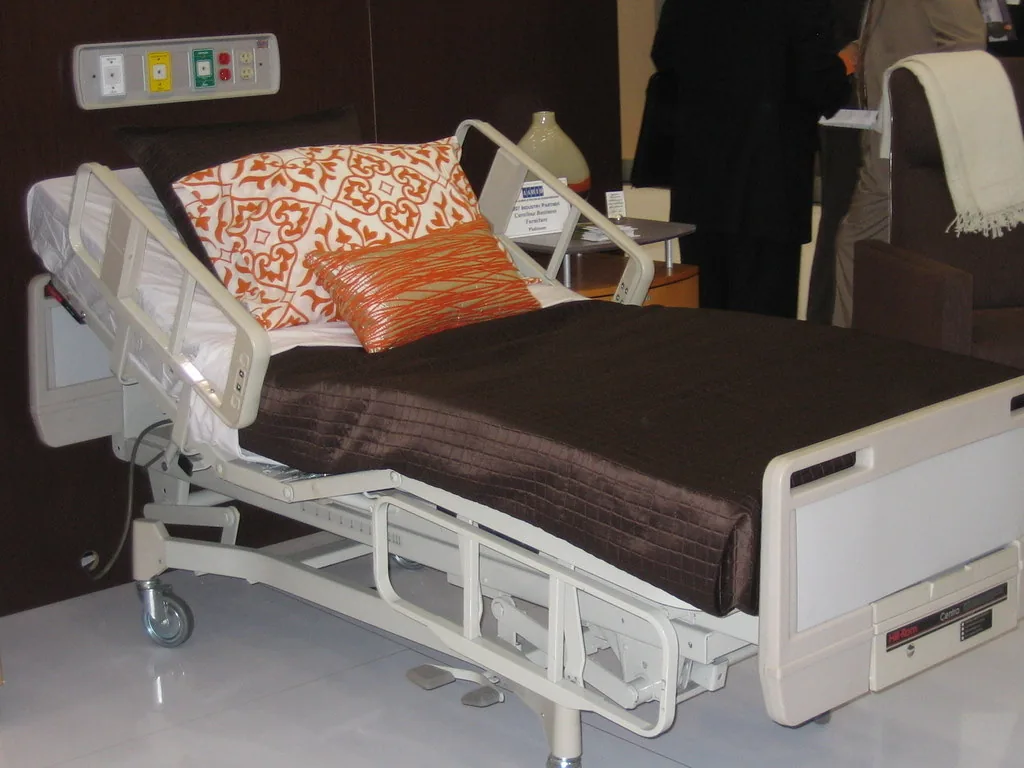
In most systems, medical devices are classified into classes according to the risk they pose to the patient and user, and the class determines the depth of assessment, the type of certificate, and the time and cost of registration. A low-risk device may need only the manufacturer's declaration and its quality system, while a high-risk device needs clinical evaluation and a lengthy independent review. The table below gives approximate examples drawn from the European classification logic, for guidance, not for contracts, since actual classification depends on the device's intended purpose and each market's rules:
| Risk level | Approximate examples | What it usually requires |
|---|---|---|
| Low | Manual wheelchairs, non-sterile dressings, non-sterile examination gloves, some manual beds | A technical file and a declaration of conformity from the manufacturer, with a quality system and registration in the market |
| Low, with sterility or a measuring function | Low-risk sterile products, and reusable surgical instruments | Review by an independent body of the sterile, measuring or reprocessing aspect |
| Medium | Syringes, infusion sets, blood pressure monitors, digital thermometers, many sterile consumables | A certificate from a notified body, a certified quality system and full test reports |
| Medium to high | Patient monitors, infusion pumps, ventilators, X-ray equipment | Deeper assessment of the technical file, software, electrical safety and performance |
| High | Implants and implanted devices, and some devices in contact with the heart and nervous system | Clinical evaluation and a lengthy independent review; rarely suitable for a new importer |
The practical lesson: determine the class before you choose the factory, because two devices that look alike may fall into different classes, and the whole pathway changes with them.
Where is medical equipment made in China?
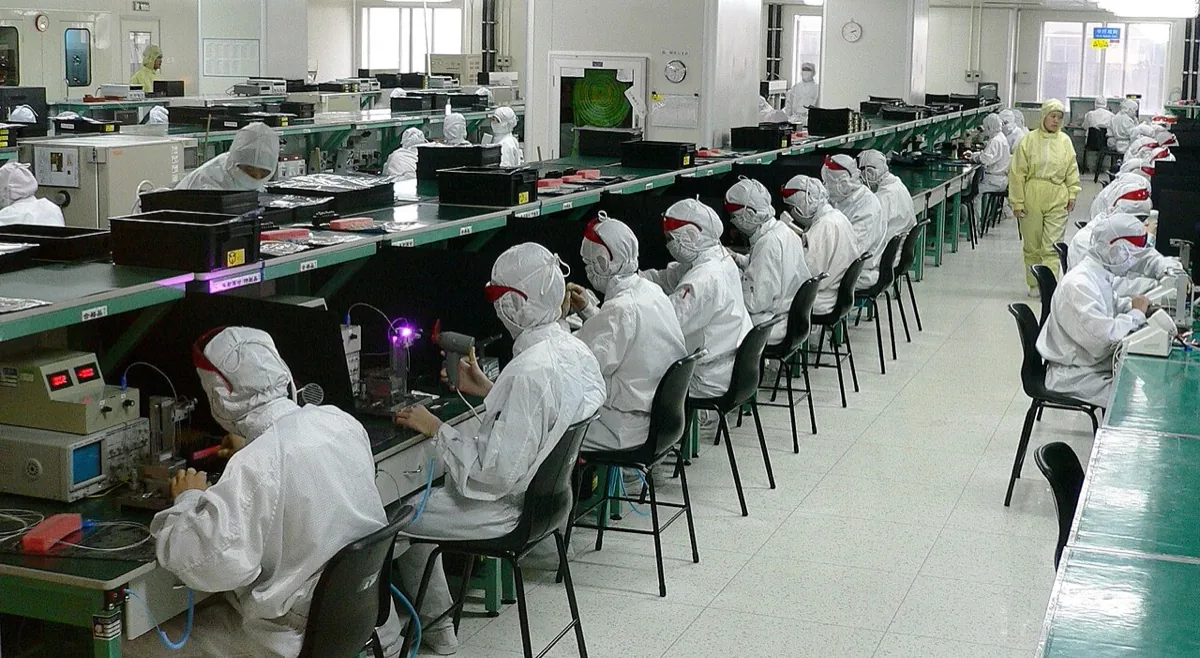
Electronic medical device manufacturing is concentrated in Shenzhen, and medical consumables and surgical instruments in Jiangsu and Shandong, with other specialised hubs in several provinces. Shenzhen, in Guangdong, with the electronics supply chain around it, is a hub for patient monitors, ultrasound diagnostic equipment and home measuring devices. Jiangsu — around Suzhou, Changzhou and Yangzhou — is a hub for consumables and surgical instruments. Shandong, especially Weihai, is a major hub for single-use consumables such as syringes and infusion sets. Henan has a well-known cluster for dressings, gauze and nursing supplies, and factories for beds and wheelchairs are spread across several provinces.
More important than the region: is the factory licensed to manufacture medical devices in China, and do the scope of its licence and of its quality system certificate cover the specific device you want? A trading company selling medical devices cannot give you a manufacturer's file, and that file is what your registration is built on.
What are ISO 13485 and medical CE marking, and how do you verify them?
ISO 13485 is the quality management system standard for medical device manufacturers, and medical CE marking is the mark of conformity with the EU Medical Device Regulation; both are also requested in most registration files outside Europe. But both are among the most frequently forged or misused documents in this category, so they must be verified, not simply accepted as a copy:
- ISO 13485 certificate: check the name and accreditation of the issuing body, the certificate number and validity, and its scope — does it cover the type of device you are buying and the actual production site? A certificate whose scope is "dressings" does not cover a monitoring device.
- Medical CE marking: for devices above the low-risk class, the certificate must be issued by a notified body with a four-digit number that appears next to the mark, which can be checked in the European Commission's database. "CE certificates" issued by non-notified bodies as "voluntary certificates" have no regulatory value.
- Declaration of conformity issued by the manufacturer itself, matching the model and class.
- Test reports: electrical safety and electromagnetic compatibility for medical electrical equipment under the IEC 60601 series, biocompatibility for materials in contact with the body under the ISO 10993 series, and sterilisation validation for sterile products.
For the general framework of conformity certificates, see SASO/SABER, ECAS and CE conformity certificates, and for how to audit a factory, see factory audit.
Which documents and specifications should you request from a medical device factory?
Request the documents your registration file in the destination country will rest on, and write the technical specifications, packaging and labelling into the contract explicitly. The usual list:
- The technical file, or enough of it for registration: device description and intended purpose, specifications, risk analysis and test reports.
- A certificate of free sale, or other proof that the device is lawfully marketed in the country of origin or in a reference market, if the competent authority requires it.
- Instructions for use and labels in the destination country's language, and a Unique Device Identifier (UDI) where required.
- For electrical devices: voltage and frequency, accessories, software version, warranty, spare parts and operator training.
- For sterile consumables: sterilisation method, shelf life, integrity of the sterile barrier packaging, and the lot number and sterilisation date.
- The manufacturer's commitment to report incidents and recall the product when necessary, because registration in most markets requires post-market surveillance.
For the general framework of import documents, see import documents and customs clearance.

How is medical equipment shipped from China?
The shipping method depends on the type of device: consumables reach the volume limit first and are shipped in 40-foot high-cube containers, electronic devices need protection from impact, and some products need temperature control or a dangerous goods declaration. The points that need attention:
- Sterile consumables: the integrity of the sterile packaging is a condition of their validity, so a single wet or crushed carton can compromise the batch. Protect them from moisture and compression.
- Devices with lithium batteries — such as portable monitors and pulse oximeters — need a UN38.3 report and a correct declaration.
- Some alcohol-based consumables, such as alcohol swabs, may be classed as flammable depending on quantity and packaging, and gas cylinders are dangerous goods.
- In vitro diagnostic reagents may need a cold chain and a refrigerated container.
- Large equipment such as hospital beds and X-ray equipment is shipped in wooden crates treated under ISPM 15, and firmly secured.
To choose according to volume, see full container load (FCL) vs groupage (LCL).
How do you import medical equipment from China?
- Check the regulatory pathway first: the device's classification in the destination country, the competent authority, and what it requires of the device, the manufacturer and the importer.
- Complete your establishment's licensing if required, and appoint the authorised representative if needed.
- Look for a licensed manufacturer whose licence scope and quality certificate cover the required device, and tell it apart from a trading company. See how to find a verified supplier in China.
- Verify the certificates: ISO 13485 and its scope, medical CE and the notified body number, and the test reports.
- Audit the factory and visit it when the relationship is new or the device is medium risk or higher.
- Request the samples and documents needed for the registration file.
- Obtain registration or marketing authorisation in the destination country before placing the commercial order.
- Write the specification, packaging and labelling into the contract, matching exactly what was registered.
- Follow production and inspect before shipping: matching the model, labels, lot numbers and expiry dates. See pre-shipment inspection.
- Arrange shipping with the right packaging and declaration, and review the documents before sailing.
Alshumul's role in importing medical equipment
Alshumul Commercial Services is an import and export company based in Guangzhou. With medical equipment, we start from one question before any sample: have you checked the regulatory pathway for this device in your country? If the answer is no, our first advice is to stop until it is known. What we handle after that:
- Finding and verifying medical device manufacturers: the production licence and its scope, the quality system certificate and its scope, telling manufacturers from trading companies, and visiting and auditing the factory.
- Requesting certificates and documents from the manufacturer, reviewing their apparent consistency with the required device — such as the notified body number and the certificate scope — and handing them to you to submit to the competent authority or your regulatory consultant.
- Requesting and following up samples, and negotiating directly with the manufacturer in Chinese on the specification, accessories, warranty, spare parts and price.
- Production follow-up and pre-shipment inspection: matching the model, labels, lot numbers, expiry dates and packaging integrity.
- Arranging shipping as a full container load or groupage through shipping lines and consolidators, reviewing documents before sailing, and following up until the port of discharge.
We say this plainly, with no room for interpretation: we do not provide medical device registration, importer licensing, or regulatory or legal advice; we do not assess the clinical performance of any device or make any therapeutic claim about it; and we do not handle customs clearance, installation or maintenance in the destination country. Our role is on the Chinese side: making sure the manufacturer is genuine, the documents match what is being made, and the goods match what was registered.